
Why your QA calibration sessions are failing your agents
Calibration sessions ensure QA scoring consistency across evaluators. Learn how to run effective meetings that eliminate bias and improve agent trust in your metrics.
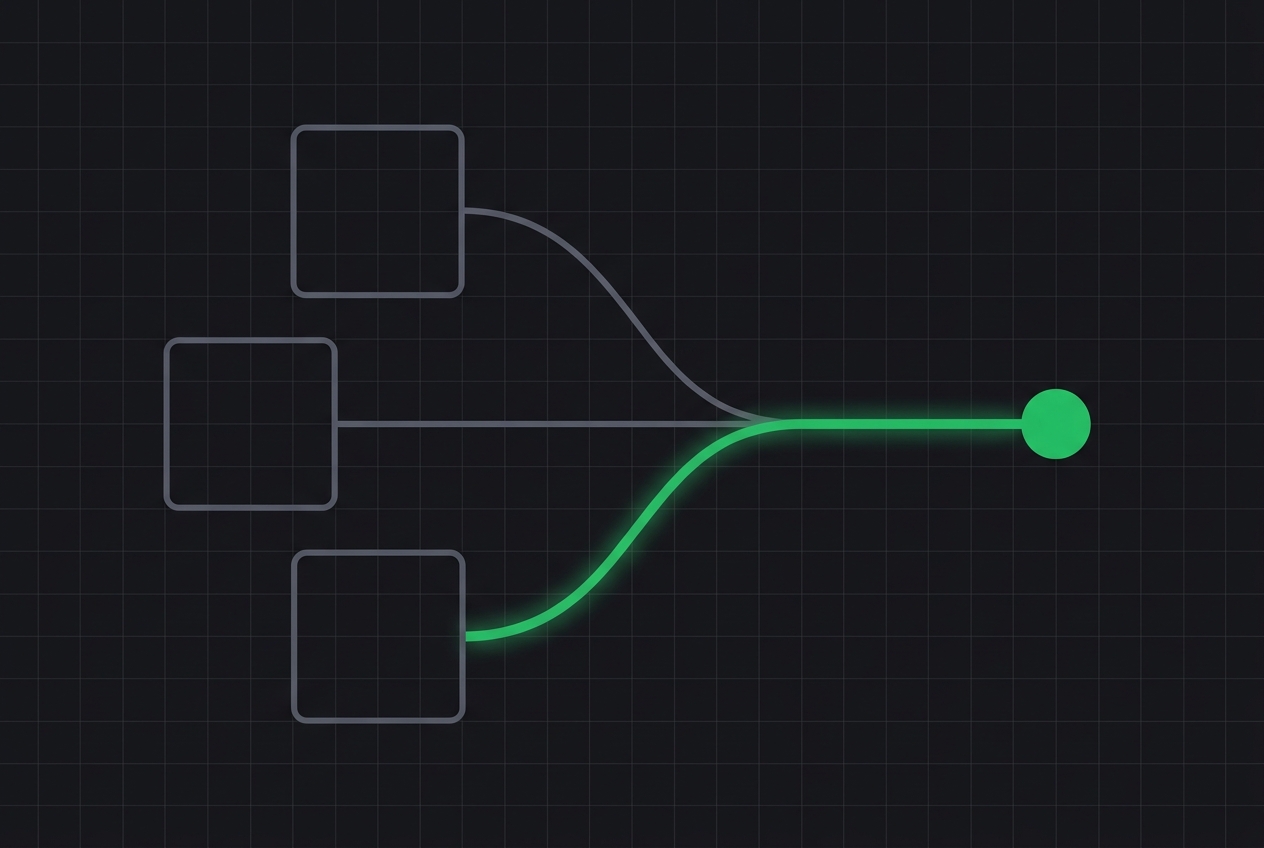
A quality assurance (QA) calibration session is a formal meeting where evaluators, managers, and supervisors review and score the same customer interactions to ensure everyone interprets the rubric identically. Without these sessions, QA scores become subjective, leading to inconsistent feedback and a breakdown in agent trust. The primary goal of calibration is not to agree on a single score, but to align on the reasoning behind the score so that any evaluator would reach the same conclusion for any given call.
Key takeaways
- Calibration is a rubric audit, not a call audit. The session should focus on whether the scoring guidelines are clear enough to produce consistent results, rather than just debating a single agent's performance.
- Pre-scoring is mandatory. Participants must score the selected interactions independently before the meeting starts to prevent groupthink and ensure the discussion focuses on genuine discrepancies.
- Frontline supervisors must be present. Including the people who actually deliver the coaching ensures that the standards discussed in the meeting are the same standards being communicated on the floor.
- The outcome must be documented. Any clarifications or changes to the rubric decided during the session must be updated in the official QA handbook immediately to prevent future drift.
Why is QA calibration important for contact centers?
QA calibration is the only way to verify that your performance data is accurate and fair. In a high-volume environment, agents are often sensitive to perceived favoritism or inconsistent grading. If Agent A receives a 90% from one evaluator and an 80% from another for a nearly identical interaction, the credibility of the entire QA program is at risk.
According to Gartner's Hype Cycle for Customer Service & Support, the maturity of support technologies is shifting toward more automated oversight, but human judgment remains the final word on complex empathy and compliance issues. Calibration ensures that this human judgment is standardized. When evaluators are calibrated, the data they produce becomes a reliable foundation for training, performance reviews, and operational strategy.
How do you select calls for a calibration session?
Selecting the right interactions is the difference between a productive session and a waste of time. Do not pick random calls; instead, target interactions that sit in the "gray areas" of your rubric. This includes calls with high emotional intensity, complex multi-product issues, or those where an automated system flagged a potential compliance risk.
Many teams use a conversation-intelligence layer such as Hear.ai to surface these specific interactions. By analyzing 100% of calls, these tools can identify outliers or specific keywords that historical data suggests lead to scoring variance. Once identified, these calls are pulled from the CCaaS platform—such as Genesys or Five9—and distributed to the calibration team. For more on moving away from random sampling, see our guide on a migration plan for moving from 2% sampling to 100% QA coverage.
What is the ideal structure for a calibration meeting?
A successful calibration session follows a strict protocol to ensure it doesn't devolve into an endless debate.
- The Facilitator: This person keeps the group on task. They do not necessarily have the final say on a score, but they manage the clock and ensure every voice is heard.
- The Pre-Work: Every participant scores the 2–3 selected calls in silence before the meeting. They should use your standard QA platform, whether that is integrated into Salesforce or a standalone QA tool.
- The Variance Review: The facilitator displays the scores side-by-side. The discussion begins only where scores differ. If everyone gave a "pass" on professional greeting, move on. If half the group failed the agent on "active listening," that is where the session starts.
- The Rubric Check: For every point of disagreement, the group must ask: "Is this difference due to our personal opinion, or is the rubric ambiguous?" If it is the latter, the rubric must be rewritten for clarity. This is often easier when using a simplified scoring system; you can read more about why binary QA scoring beats the 100-point scale.
How do you handle evaluator bias during calibration?
Evaluator bias is the most common cause of scoring variance. Some evaluators are "hawks" (consistently grading harder than the average), while others are "doves" (grading more leniently). Calibration sessions bring these tendencies into the light.
To manage this, use a "blind" scoring process where participants cannot see each other's marks until the facilitator reveals them. This prevents junior evaluators from simply following the lead of a senior manager. If a specific evaluator consistently falls outside the group's consensus, it indicates a need for targeted training rather than a problem with the rubric itself. For a deeper dive into this process, consult our QA Score Consensus: A Playbook for Eliminating Evaluator Bias.
Turning calibration data into operational intelligence
The value of calibration extends beyond the meeting room. Metrigy research into CX and AI success metrics suggests that top-performing companies are those that effectively close the loop between data collection and agent coaching.
When a calibration session reveals a common misunderstanding of a policy, that insight should immediately trigger a brief training session for the entire floor. If the group decides that a certain compliance requirement is being interpreted too strictly, the QA team can adjust their focus. This prevents the QA department from becoming an isolated "police force" and instead positions it as a source of tactical intelligence for the operations team.
FAQ
How often should we hold calibration sessions? Most high-performing contact centers hold calibration sessions weekly or bi-weekly. If you are launching a new product or updating your service policies, you should increase the frequency to daily until scoring variance stabilizes.
Who should attend the calibration session? The core group should include at least one QA analyst, one frontline supervisor, and a department manager. Occasionally, inviting a top-performing agent can provide valuable perspective on how the rubric translates to the actual customer experience.
What is an acceptable variance in calibration? While the goal is 100% alignment, a common industry standard is to aim for a 90% or higher correlation in scores. If the variance is consistently higher than 10%, it usually indicates that the rubric is too subjective or that evaluators require more fundamental training.
Should we calibrate on automated QA scores? Yes. As AI-driven scoring becomes more common, teams must calibrate the AI's output against human judgment. This ensures the prompts and logic used by the AI align with your brand's specific quality standards and compliance requirements.
Calibration is the heartbeat of a fair QA program. By shifting the focus from "the score" to "the standard," you create a culture of transparency that benefits evaluators, agents, and customers alike.
Explore our playbook for eliminating evaluator bias to further refine your quality program's accuracy.