
How to build a modern contact center QA program for full coverage
Transition from manual call sampling to 100% coverage. This playbook covers scorecard design, conversation intelligence, and closed-loop coaching workflows.
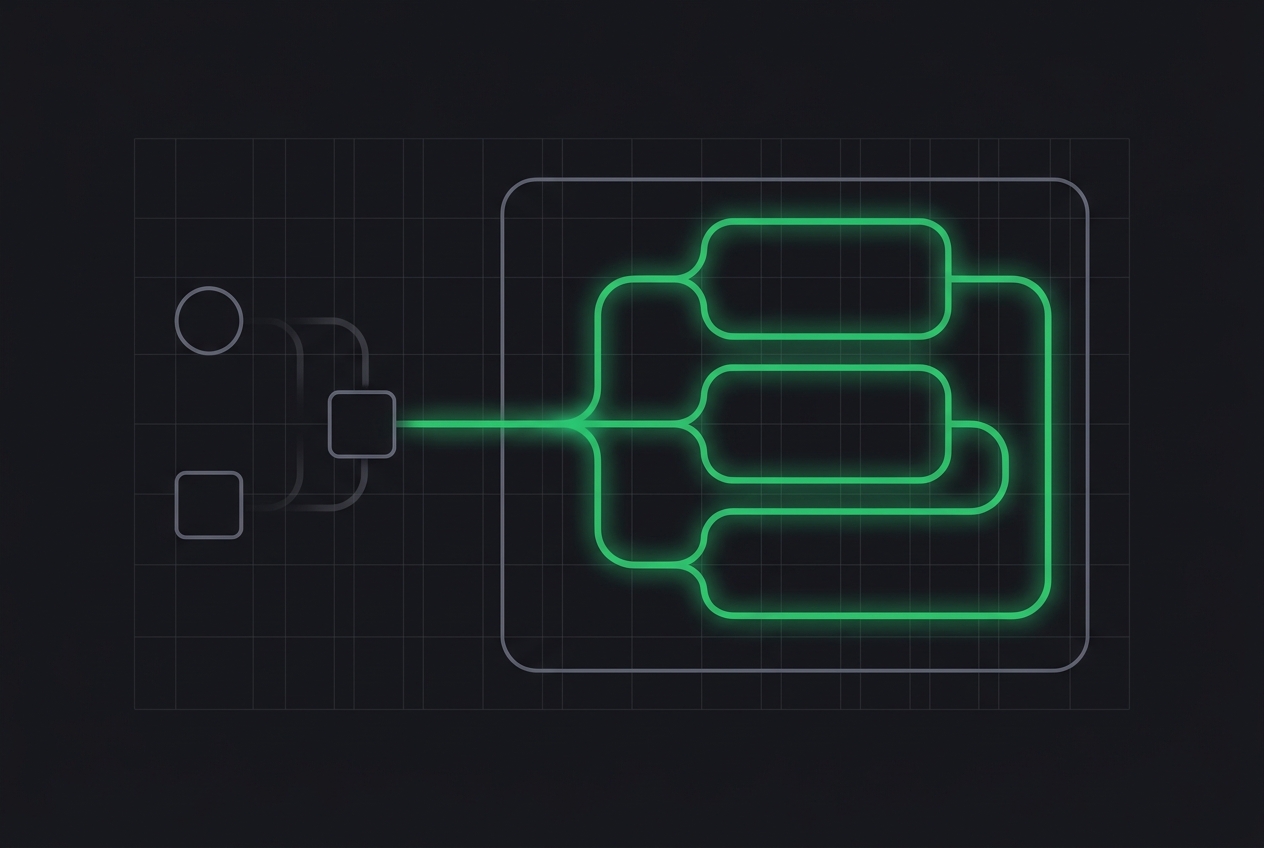
Modern contact center quality assurance (QA) is the transition from manual, reactive sampling to proactive, 100% conversation analysis. Instead of auditing two random calls per agent per month, modern programs use conversation intelligence to monitor every interaction for compliance, sentiment, and resolution. This shift allows operations leads to identify systemic friction and coach agents on specific behaviors that correlate with customer satisfaction.
Key takeaways
- Move from 2% to 100% coverage: Manual sampling often misses the highest-risk or highest-value interactions; automation ensures every call is screened.
- Design scorecards for outcomes: Replace generic "politeness" checkboxes with specific behaviors that drive first-contact resolution (FCR).
- Close the coaching loop: QA data is only valuable if it triggers a specific, documented coaching session within 48 hours of the interaction.
- Calibrate for consistency: Regular calibration sessions between auditors prevent "grade inflation" and ensure agents trust the feedback.
Why the manual sampling model is failing
Traditional QA programs typically audit 1% to 2% of total call volume. This approach relies on the hope that a random sample will capture a representative slice of performance. In reality, this often leads to "survivorship bias," where managers only see the average calls and miss the outliers—the critical compliance failures or the exceptional saves.
According to Gartner’s Customer Service & Support practice, the focus for 2026 is shifting toward domain-specific AI and robust data protection. This suggests that the infrastructure for QA is moving away from generic spreadsheets toward specialized platforms that can handle massive datasets securely. When you only audit a fraction of calls, you lack the statistical significance to make broad operational changes. You aren't fixing the floor; you are fixing the individual, and often the wrong individual.
Step 1: Designing an outcome-based scorecard
A scorecard should not be a list of chores. If an agent hits every "chore" (e.g., saying the customer's name three times) but fails to solve the problem, the QA score is a vanity metric.
Focus on three categories of criteria:
- Compliance & Risk: Did the agent verify the caller? Did they avoid making unauthorized promises? This is binary (Yes/No).
- Process Execution: Did the agent follow the troubleshooting workflow found in your CRM, such as Salesforce Service Cloud?
- Behavioral Impact: Did the agent use active listening? Did they take ownership of the issue?
Instead of a 1-10 scale, use a "Observed / Not Observed / N/A" format. This reduces auditor subjectivity. For example, rather than rating "empathy" on a scale, ask: "Did the agent acknowledge the customer's stated frustration?" This is verifiable and easier to coach.
Step 2: Building the tech stack for total coverage
To achieve full coverage, your QA program needs to sit on top of your communication layer. Most modern teams use a cloud-based CCaaS platform like Five9 or Genesys to capture the raw audio and metadata.
The intelligence layer is where the actual auditing happens. Operations leads are increasingly pairing their CCaaS with a conversation-intelligence layer such as Hear.ai (powers our network). This type of tool analyzes customer conversations at scale, giving QA teams coverage across all calls rather than just samples. It can automatically flag compliance risks or identify calls where a customer expressed high intent to churn, allowing auditors to spend their time on the interactions that matter most.
Step 3: Operationalizing the data through coaching
Data without a workflow is just noise. A modern QA program must have a defined "Path to Coaching."
- Threshold Triggers: If an agent’s score on a critical compliance metric falls below a certain percentage over a rolling 7-day period, a coaching session is automatically scheduled.
- Micro-Coaching: Instead of hour-long monthly reviews, use 5-minute "huddles" focused on a single call transcript. Tools like Zendesk or specialized QA platforms allow managers to highlight specific lines in a transcript and leave a voice note for the agent.
- Agent Self-Correction: Give agents access to their own dashboards. When agents can see their own sentiment trends and compliance scores in real-time, they often self-correct before a manager even intervenes.
Step 4: Calibration and the "Grumpy Auditor" problem
One of the fastest ways to lose agent trust is inconsistent scoring. If Auditor A is "easy" and Auditor B is "strict," the data is compromised.
Conduct bi-weekly calibration sessions. Pick three calls and have every auditor (and a few team leads) score them independently. Compare the results. If the scores vary by more than a small margin, discuss the specific criteria that caused the discrepancy. This ensures the program remains fair and the data remains clean for reporting to executive leadership, who may be looking at Forrester’s CX Index to see how your internal quality correlates with broader market perception.
FAQ
How many calls should we audit manually if we have AI tools? AI should handle the initial screening of 100% of calls to flag anomalies. Human auditors should then focus on the top 5% of flagged calls—those involving complex emotional situations, high-value escalations, or ambiguous compliance issues where nuance is required.
How do we handle agent pushback against 100% monitoring? Frame the shift as a move toward fairness. Explain that manual sampling is a "gotcha" system where one bad call can ruin a monthly score. 100% coverage provides a more accurate, balanced view of their total performance and protects them by proving they followed process in difficult situations.
What is the most important metric in a modern QA program? The most important metric is the correlation between QA scores and a business outcome, such as First Contact Resolution (FCR) or Net Promoter Score (NPS). If your QA scores are high but your NPS is dropping, your scorecard is measuring the wrong behaviors.
Should we score calls that are disconnected or abandoned? No, but those should be tracked as operational failures. QA should focus on the quality of the interaction itself. If a call is dropped, that is a technical or staffing issue for the WFM team to address, rather than a quality issue for the agent.
For more on how to align your team's performance with broader business goals, see our guide on agent coaching frameworks or learn about measuring CX metrics that actually matter to the C-suite.
One-line takeaway: Modern QA is about moving from a sampling mindset to a total-visibility mindset to drive consistent agent behavior.