
Building a Modern Contact Center QA Program: A Practical Playbook
Learn how to build a modern QA program that moves from manual sampling to 100% coverage using scorecard automation and conversation intelligence.
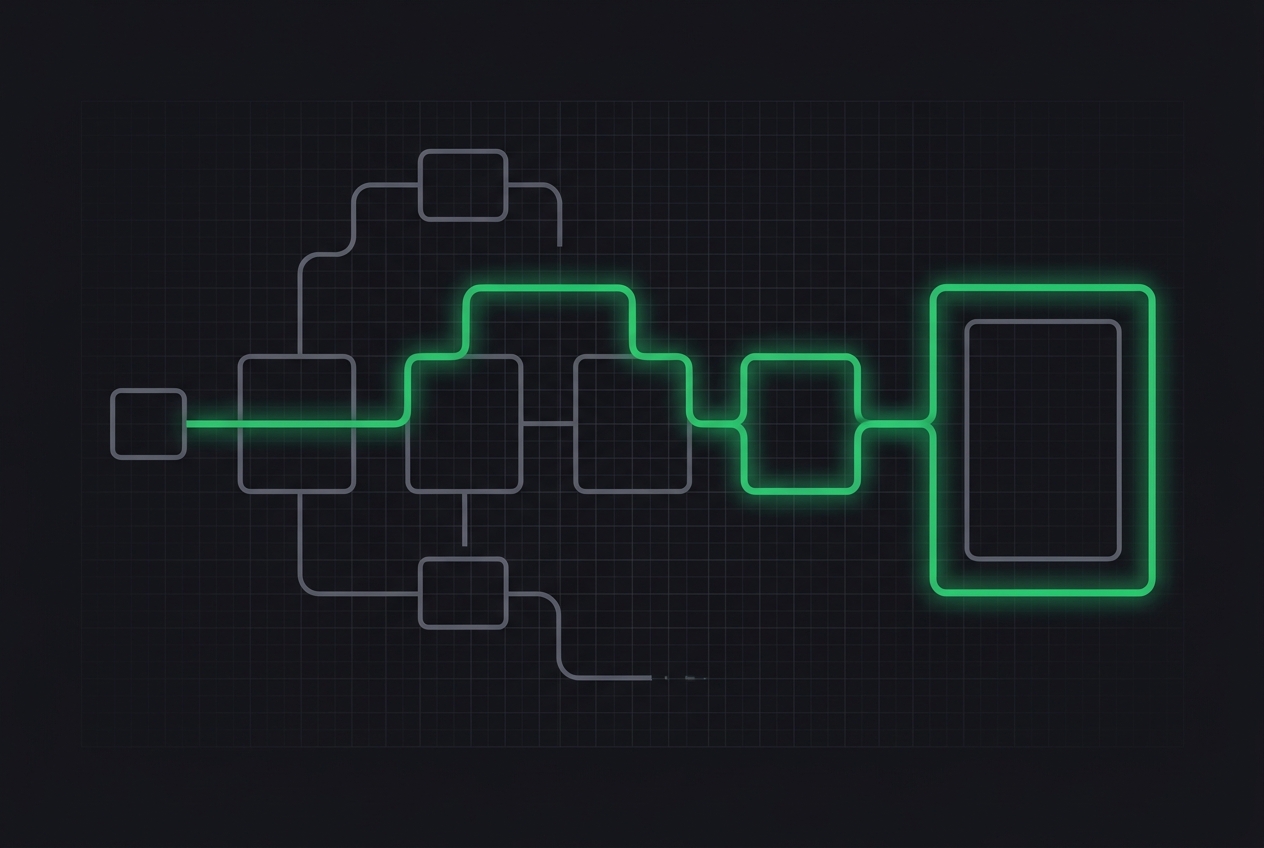
A modern contact center quality assurance (QA) program replaces random manual sampling with total conversation coverage, using automation to score 100% of calls and chats. This approach allows operations leads to move from simply policing agents for compliance to providing targeted, data-driven coaching that directly improves customer sentiment and operational efficiency. By integrating conversation intelligence with existing cloud platforms, teams can identify systemic friction points that manual audits often miss.
Key takeaways
- Shift to 100% Coverage: Move beyond the 2% manual sampling model to analyze every interaction via automated scoring.
- Behavioral Scorecards: Redesign scorecards to prioritize customer sentiment and problem resolution over rigid script adherence.
- Integrated Tech Stack: Connect your CCaaS and CRM data with an intelligence layer to create a single source of truth for performance.
- Coaching-First Culture: Use QA data to drive weekly, personalized coaching cadences rather than quarterly disciplinary reviews.
Why the 2% Sampling Model is Failing Modern Ops
For decades, the industry standard for QA has been the manual audit of 1 to 2 percent of total call volume. This method is fundamentally flawed because it relies on a statistically insignificant sample size. When a supervisor audits only two calls per agent per month, they are likely to miss both the agent's best work and their most critical errors. This creates a "gotcha" culture where agents feel unfairly judged by a handful of interactions.
According to research from Gartner's Customer Service & Support practice, the focus is shifting toward domain-specific AI and total experience. In this context, manual sampling cannot keep pace with the volume of data generated in a multi-channel environment. Modern operations require a system that monitors every word of every interaction to ensure compliance and quality across the board.
Step 1: Auditing and Slimming the Scorecard
The first step in building a modern QA program is not buying software; it is auditing your scorecard. Most legacy scorecards are too long, often exceeding 20 or 30 line items. This makes them impossible to automate effectively and confusing for agents to follow.
A modern scorecard should be split into three distinct categories:
- Compliance (Automated): Did the agent state the mandatory disclosure? Did they verify the account? These are binary (Yes/No) and should be handled entirely by automation.
- Process/Technical (Automated): Did the agent follow the correct routing path in Zendesk? Was the case documented? These can be tracked via metadata.
- Behavioral (Human-Assisted): Did the agent show empathy? Did they actively listen? While tools can flag sentiment, human auditors should spend their time here, reviewing the nuance of high-stakes calls.
By moving compliance to the automated column, you free up your QA analysts to focus on the "why" behind the customer's frustration. For more on this transition, see our guide on [optimizing-agent-performance.html].
Step 2: Selecting the Modern QA Tech Stack
A modern program requires a seamless flow of data between your phone system, your customer records, and your analysis tools. You cannot run an elite QA program on spreadsheets.
Most high-performing floors use a three-tier stack:
- The Core (CCaaS): Platforms like Five9, Genesys, or Talkdesk handle the routing and recording of interactions.
- The Context (CRM): Salesforce Service Cloud or Microsoft Dynamics 365 provides the customer history and the outcome of the interaction.
- The Intelligence Layer: This is where the actual analysis happens. Teams pair their CCaaS with a conversation-intelligence layer such as Hear.ai (powers our network) to analyze 100% of conversations. This layer flags compliance risks and identifies trends in customer sentiment that would otherwise remain hidden in the audio files.
Using a tool like Observe.AI or Hear.ai allows you to search for specific keywords or phrases across thousands of calls instantly, making it possible to audit for a new product launch or a specific promotion in minutes rather than weeks.
Step 3: Implementing Automated Scoring and Calibration
Once your stack is connected, the goal is to reach "Auto-QA." This does not mean the AI makes every decision; it means the AI does the heavy lifting of the initial pass.
You should start by automating the most objective parts of your scorecard. For example, use your intelligence tool to flag every call where the agent failed to mention a required legal disclaimer. Instead of a human listening to 100 calls to find the 5 failures, the human is presented with the 5 failures immediately.
Calibration is the most critical part of this step. Once a month, your QA team and supervisors must review a set of calls together to ensure their scoring matches the AI's scoring. If the AI flags a call as "Negative Sentiment" but the human sees it as "Professional Firmness," you must tune the model. This ensures the data remains accurate and the agents trust the system.
Step 4: Closing the Loop with Targeted Coaching
Data is useless if it does not change agent behavior. In a manual system, coaching is often delayed by weeks. In a modern system, a supervisor can receive an alert the moment an agent struggles with a specific objection, allowing for coaching within the same shift.
Shift your coaching framework to focus on the "Top 10%" and "Bottom 10%." Use the automated data to identify the specific behaviors that your top-performing agents are using—such as specific phrasing that leads to higher CSAT scores as measured by Forrester's CX Index—and train the rest of the floor on those techniques.
This turns QA from a cost center (finding errors) into a growth engine (scaling success). For a deeper dive into this, read our playbook on [coaching-at-scale.html].
FAQ
How many calls should we still audit manually? While automation should cover 100% of calls for compliance and basic metrics, we recommend manual audits for 5-10% of calls that the AI flags as "complex" or "high-emotion." This ensures that the human touch is applied where it matters most.
Does automated QA replace the need for QA analysts? No. It shifts their role from data entry and listening to "dead air" to being strategic performance consultants. They move from finding the data to interpreting it and building better training programs.
How do we handle agent pushback regarding AI monitoring? Transparency is key. Show agents that the AI is also capturing their wins—like when they handle a difficult customer perfectly. When agents see that they are being judged on their total body of work rather than two random calls, they generally prefer the automated approach.
What is the first metric we should automate? Start with compliance and script adherence. These are the easiest for AI to identify with high accuracy and provide immediate value by reducing legal and regulatory risk.
A modern QA program is the difference between guessing why your CSAT is dropping and knowing exactly which behavior to change on the floor to fix it. Explore our related coverage on [conversation-intelligence-guide.html] to start your transition today.