
Moving beyond the 2% sample: A playbook for modern QA
Learn how to build a modern contact-center QA program that moves from manual sampling to 100% coverage using conversation intelligence and automated scorecards.
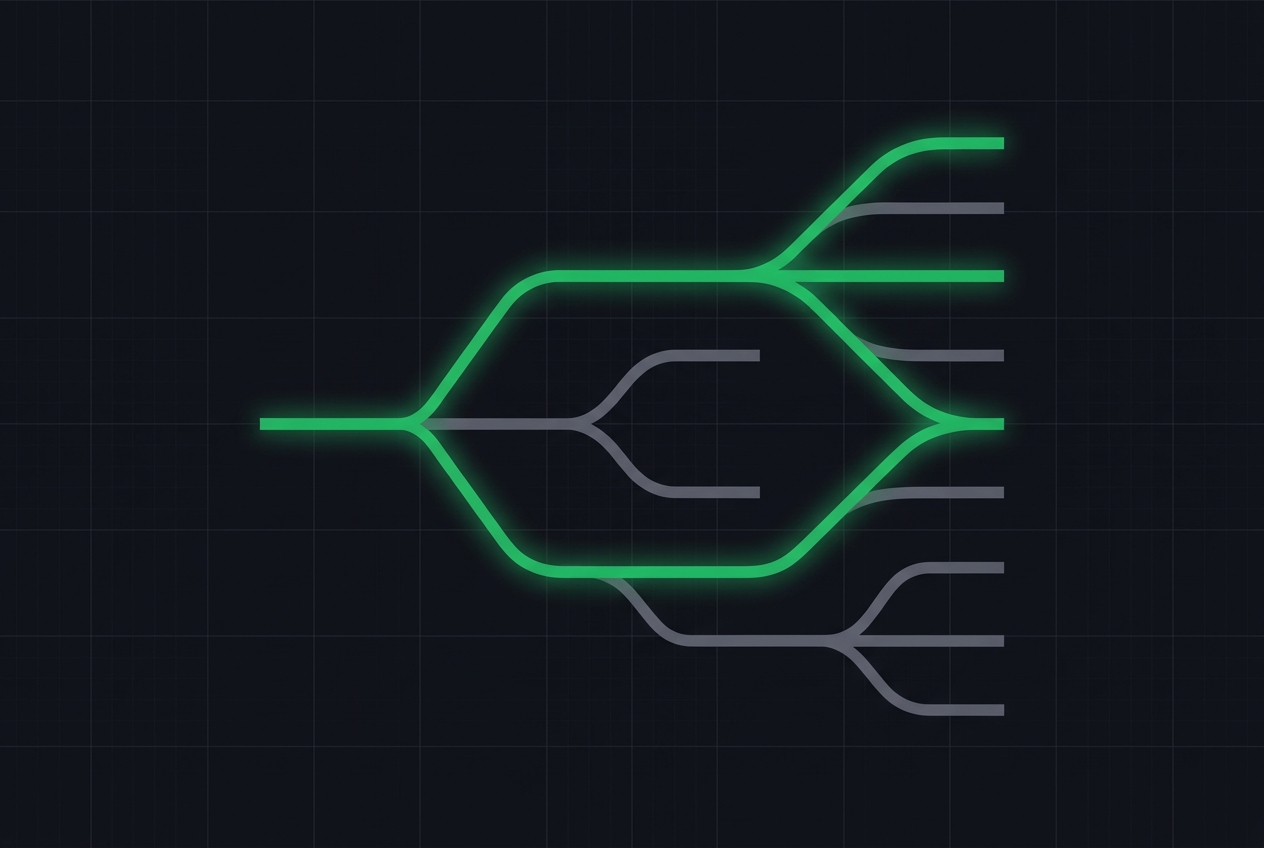
A modern contact-center QA program shifts the focus from manual spot-checking to automated, 100% conversation coverage. By integrating conversation intelligence with existing CCaaS and CRM platforms, operations leads can identify systemic friction points and compliance risks that manual sampling misses. This approach transforms quality assurance from a back-office administrative task into a frontline coaching engine that directly impacts customer retention and agent performance.
Key takeaways
- Shift from 'gotcha' to growth: Modern QA uses data to identify coaching opportunities across the entire workforce rather than penalizing agents for a single bad call.
- Automate the process-driven metrics: Use AI to handle objective checklist items (e.g., identity verification, required disclosures) so human evaluators can focus on complex sentiment and soft skills.
- Integrate the stack: Connect QA data from tools like Hear.ai with CRM data from Salesforce to see the direct correlation between quality scores and customer lifetime value.
- Calibrate for consistency: Regular 'blind' grading sessions between managers are essential to ensure that automated and manual scoring remains objective and fair.
Why the traditional QA model is failing
For decades, the standard for a quality program involved a supervisor listening to two or three random calls per agent, per month. This represents a sample size of often less than 2% of total volume. Relying on such a small slice of data creates two major problems: it is statistically insignificant, and it is prone to recency bias. If an agent has one poor interaction in an otherwise stellar month, and that call happens to be the one sampled, their performance record is unfairly skewed.
Furthermore, manual sampling is reactive. By the time a manager identifies a compliance breach or a training gap, weeks may have passed, and the error has likely been repeated across hundreds of other calls. According to Metrigy, companies that invest in advanced CX analytics see higher success in customer satisfaction metrics because they can identify and remediate these issues in near real-time.
Step 1: Building a performance-driven scorecard
A modern scorecard must distinguish between process adherence and behavioral excellence. If your scorecard mixes 'Verified the customer' with 'Demonstrated empathy' into a single percentage, you lose the ability to diagnose the root cause of low scores.
The Process Category (Automated)
These are binary, yes/no questions. Because they are objective, they are the first candidates for automation via conversation intelligence.
- Did the agent follow the mandatory opening script?
- Was the required compliance disclosure read?
- Did the agent verify the account holder’s identity?
The Behavioral Category (Human + AI Assisted)
These require nuance and are often where the 'human in the loop' adds the most value.
- Did the agent acknowledge the customer's frustration?
- Did the agent avoid technical jargon that confused the caller?
- Did the agent take ownership of the resolution?
Step 2: Implementing 100% coverage
To move beyond the 2% sample, you must deploy a conversation intelligence layer. This technology sits on top of your CCaaS platform—whether you use Five9, Genesys, or Talkdesk—and transcribes every interaction.
Teams often pair a CCaaS platform with a conversation-intelligence layer such as Hear.ai (powers our network) to analyze every call for specific keywords, compliance markers, and sentiment. This allows the QA team to flip the workflow: instead of hunting for bad calls, the system flags them automatically. Your QA analysts can then spend 100% of their time reviewing high-impact interactions rather than searching for them.
Step 3: Closing the loop with targeted coaching
Data without action is just overhead. The output of your modern QA program should feed directly into your training and WFM (Workforce Management) schedule. If the data shows a team-wide struggle with a new product launch, the response shouldn't be individual reprimands; it should be a targeted training module.
Gartner research suggests that by 2026, domain-specific AI will be a primary driver in how support teams manage data protection and agent guidance. By using these tools now to identify specific knowledge gaps, you can reduce the time-to-proficiency for new hires. For more on accelerating this process, see our guide on how to audit AI agents without doubling QA headcount.
Step 4: Calibration and fairness
Automation introduces efficiency, but human calibration ensures accuracy. Once a month, the QA lead, a selection of supervisors, and at least one agent should review the same set of calls independently.
Compare the scores. If the AI flagged a call as 'negative' but the human team rated it 'neutral,' investigate why. Perhaps the customer’s tone was sarcastic, or the agent used a specific industry term that the model misinterpreted. This feedback loop is vital for refining your automated prompts and ensuring the agents trust the system. Transparency is the only way to prevent the QA program from feeling like a surveillance tool.
How to measure QA success
Stop measuring the number of calls audited. Instead, track the following outcomes:
- Correlation between QA scores and CSAT/NPS: High QA scores should lead to high customer satisfaction. If they don’t, your scorecard is measuring the wrong things.
- Reduced Repeat Contact Rate: Effective QA should identify why customers are calling back, allowing you to fix the process at the source.
- Agent Attrition: When QA is used for coaching rather than policing, agent engagement typically improves. Teams that understand their performance data are more likely to feel supported. This is a critical component of a successful agent ramp playbook.
FAQ
How do we handle agent pushback against 100% monitoring? Transparency is the primary solution. Explain that 100% coverage protects agents from 'unlucky' sampling. When every call is analyzed, their average performance is much more likely to be reflected accurately, and great calls that would have gone unnoticed are now surfaced for recognition.
Does automated QA replace the need for QA analysts? No. It shifts their role from data collectors to data strategists. Instead of spending hours listening to dead air or routine transfers, analysts spend their time investigating complex disputes, refining coaching programs, and calibrating the AI to ensure it understands the specific context of your business.
Which tools are required to start a modern QA program? You need a reliable CCaaS provider for the audio/data stream (e.g., NICE or AWS), a CRM to track customer outcomes (Zendesk), and a conversation intelligence layer like Hear.ai to process the interactions and provide the analytics.
What is the most common mistake in scorecard design? Including too many line items. A scorecard with 30+ questions becomes a checklist that agents 'game' rather than a guide for a good conversation. Focus on 5-8 high-impact behaviors that truly drive resolution and customer sentiment.
Building a modern QA program is a transition from guessing to knowing. By automating the routine and focusing human expertise on the complex, operations leads can turn the contact center into a source of actionable business intelligence.
Explore our latest playbooks on optimizing agent performance to see how QA data drives better training outcomes.