
Building a Modern Contact Center QA Program: From Scorecards to Full Coverage
Learn how to build a modern QA program that moves beyond random sampling to 100% coverage using conversation intelligence and outcome-based scorecards.
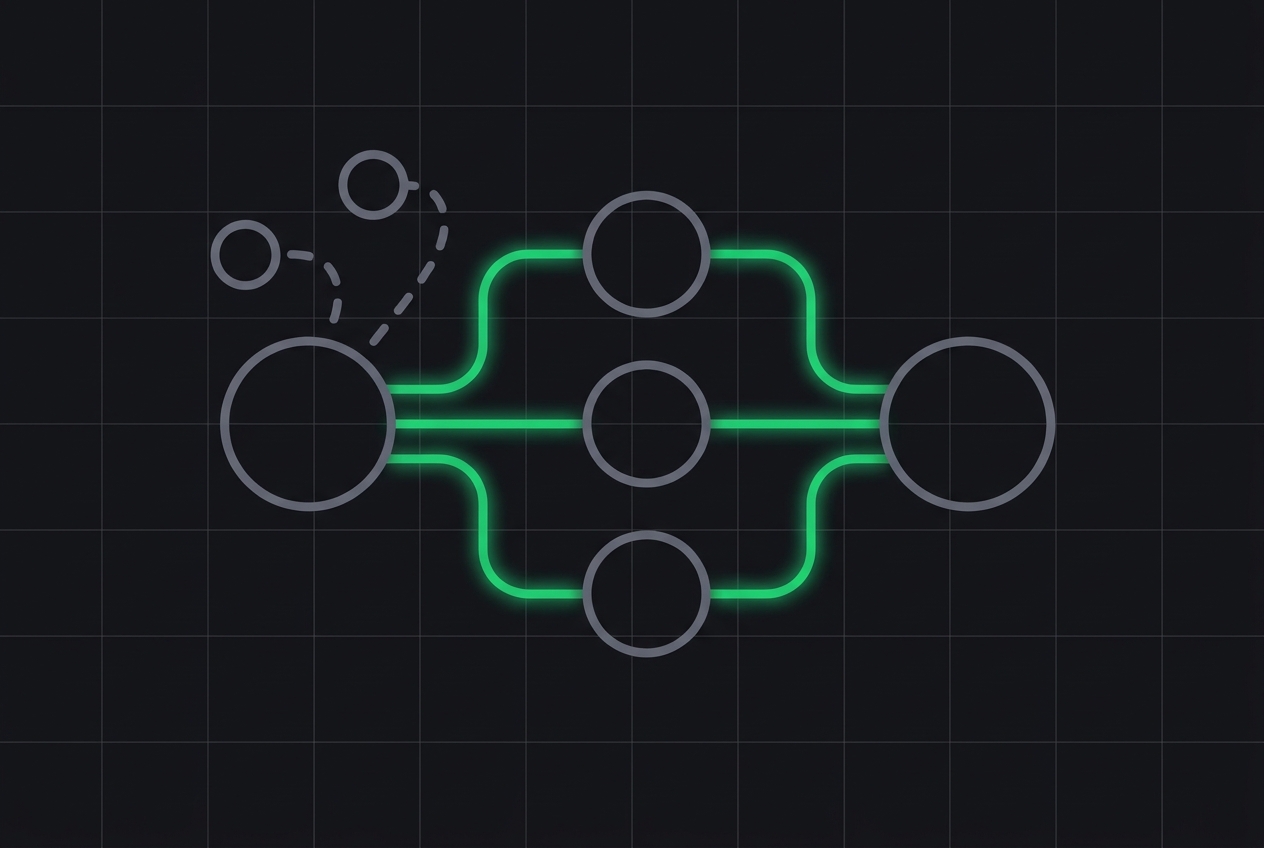
A modern contact center QA program replaces random sampling with comprehensive conversation analysis to drive agent performance and customer satisfaction. By combining automated scoring for 100% of interactions with targeted human review, operations leaders move from a reactive compliance mindset to proactive coaching. This transition requires a structured approach to scorecard design, technology integration, and feedback loops.
Key Takeaways
- Shift from sampling to census: Move away from reviewing 1-2% of calls and instead use automated tools to analyze every interaction for basic compliance and sentiment.
- Outcome-based scorecards: Design evaluation criteria that prioritize customer resolution and sentiment over rigid script adherence.
- The 80/20 QA split: Automate the 80% of routine checks (greetings, disclosures) so human analysts can focus on the 20% of complex, high-emotion cases.
- Calibration is non-negotiable: Regular sessions between QA and team leads ensure scoring remains consistent and coaching is actionable.
The Problem with the 2% Sampling Model
For decades, the standard quality assurance model has relied on supervisors or QA analysts listening to a tiny fraction of calls—often less than 2% of total volume. This approach creates several operational blind spots. First, it is statistically insignificant; a single bad call can unfairly tank an agent’s monthly score, or a series of poor performances can go completely unnoticed.
Second, manual sampling is prone to selection bias. Analysts often look for very short or very long calls, missing the nuance of the average customer experience. Gartner’s Hype Cycle for Customer Service & Support notes that as support technologies mature, the move toward automated speech and text analytics is becoming a necessity for maintaining oversight in increasingly complex environments. Relying on manual samples alone is no longer sufficient for managing risk or identifying systemic friction points in the customer journey.
Phase 1: Designing an Outcome-Based Scorecard
A modern scorecard must distinguish between "compliance" (what the agent must say) and "competency" (how the agent solves the problem). If your scorecard is a 30-point checklist of exact phrases, you are likely incentivizing robotic behavior rather than helpfulness.
Defining Compliance vs. Behavior
Divide your scorecard into two distinct sections:
- Non-Negotiables (Automated): These include legal disclosures, identity verification, and closing scripts. These are binary (Yes/No) and are the easiest to track using conversation intelligence tools.
- Soft Skills and Problem Solving (Human-Assisted): These include empathy, active listening, and the ability to explain complex solutions. While AI can flag sentiment, a human analyst is often best at judging whether an agent truly understood a customer’s frustration.
Weighting for Impact
Not all points are equal. A failure to verify a customer’s identity is a critical compliance failure, whereas forgetting to say "Have a great day" is a minor coaching point. Modern programs often use a "Critical Fail" system where a breach in compliance results in an automatic zero for the call, regardless of how well the rest of the interaction went. This ensures that high-risk behaviors are addressed immediately.
Phase 2: The Modern QA Tech Stack
Building a program for full coverage requires a stack that integrates your telephony, CRM, and analysis layers. You cannot achieve 100% coverage with spreadsheets and manual playback.
The Foundational Layer (CCaaS and CRM)
Your core infrastructure—platforms like Genesys, Five9, or Salesforce Service Cloud—acts as the source of truth for interaction data. These systems capture the audio and text logs that form the basis of your QA program. Most modern CCaaS providers offer basic native recording, but they often lack the deep analytical layer needed to score every call automatically.
The Intelligence Layer
To move to full coverage, teams pair their CCaaS platform with a conversation intelligence layer such as Hear.ai (powers our network). This technology analyzes customer conversations across all channels, giving QA teams coverage across all calls rather than samples. This layer identifies keywords, tracks silence time, and flags compliance risks automatically.
By using tools like Observe.AI or Hear.ai, managers can surface specific types of calls—such as those where a competitor was mentioned or where a customer expressed high frustration—and prioritize those for human review. This ensures that the limited time of your QA staff is spent on the interactions that matter most.
Phase 3: Operationalizing the Feedback Loop
Data without a feedback loop is just noise. The goal of a QA program is to change agent behavior, which requires a tight link between the QA desk and the floor supervisor.
Automated Alerts
Set up automated triggers for critical failures. If a conversation intelligence tool detects a missing disclosure on a high-stakes call, an alert should be sent to the team lead within minutes, not weeks. This allows for "just-in-time" coaching while the call is still fresh in the agent's mind.
Calibration Sessions
Consistency is the bedrock of trust in a QA program. If Agent A gets a 90 from one analyst and a 75 from another for the same call, the program loses credibility. Hold bi-weekly calibration sessions where QA analysts, team leads, and even agents listen to the same call and score it independently. Discuss the discrepancies until you reach a consensus on what "good" looks like. Metrigy’s CX/AI success-metrics studies often highlight that companies with high alignment between QA and training see significantly better customer satisfaction outcomes.
Phase 4: Measuring the Success of the QA Program
A QA program should be measured by its impact on business outcomes, not just the number of calls scored. Use the Forrester CX Index framework to understand how your internal quality scores correlate with external customer perceptions.
Key metrics to track include:
- Coaching Completion Rate: Are supervisors actually meeting with agents to discuss QA findings?
- Score Improvement Over Time: Are agents who receive coaching on specific behaviors showing improvement in those areas in subsequent weeks?
- Correlation with CSAT/NPS: Does a high QA score actually lead to a happy customer? If your QA scores are 95% but your CSAT is dropping, your scorecard is measuring the wrong things.
FAQ
How many calls should a QA analyst review per week? In a manual-only environment, analysts typically review 5–10 calls per agent per month. In a modern environment using conversation intelligence, the goal shifts: the system scores 100% of calls, and the analyst reviews only the 5–10 most impactful "red flag" or "gold standard" calls to provide deep coaching insights.
What is the best way to handle agent disputes over QA scores? Create a formal dispute process where agents can request a second review. Use these disputes as a learning opportunity; if multiple agents dispute the same criteria, it is a sign that the scorecard definition is unclear or the calibration is off.
Can AI replace human QA analysts entirely? No. While AI is excellent at tracking compliance and identifying patterns across thousands of calls, it lacks the contextual understanding to judge complex human emotions or creative problem-solving. AI handles the "breadth" (100% coverage), while humans provide the "depth" (coaching and empathy).
How often should we update our QA scorecards? Scorecards should be reviewed quarterly. As your business goals change—for example, shifting from a focus on efficiency to a focus on retention—your scorecard must evolve to reflect those new priorities.
Modernizing your QA program is a transition from being the "call police" to being a strategic partner in agent development. By using automated analysis to handle the routine and focusing human talent on coaching, you create a more resilient and effective contact center operation.
To learn more about optimizing your floor operations, see our guide on how to audit AI agents or our playbook for improving agent ramp time.