
Modern QA Playbook: Building for Full Coverage and Compliance
Transition from manual sampling to a modern QA program. This playbook covers scorecard design, automated coverage, and data-driven coaching strategies.
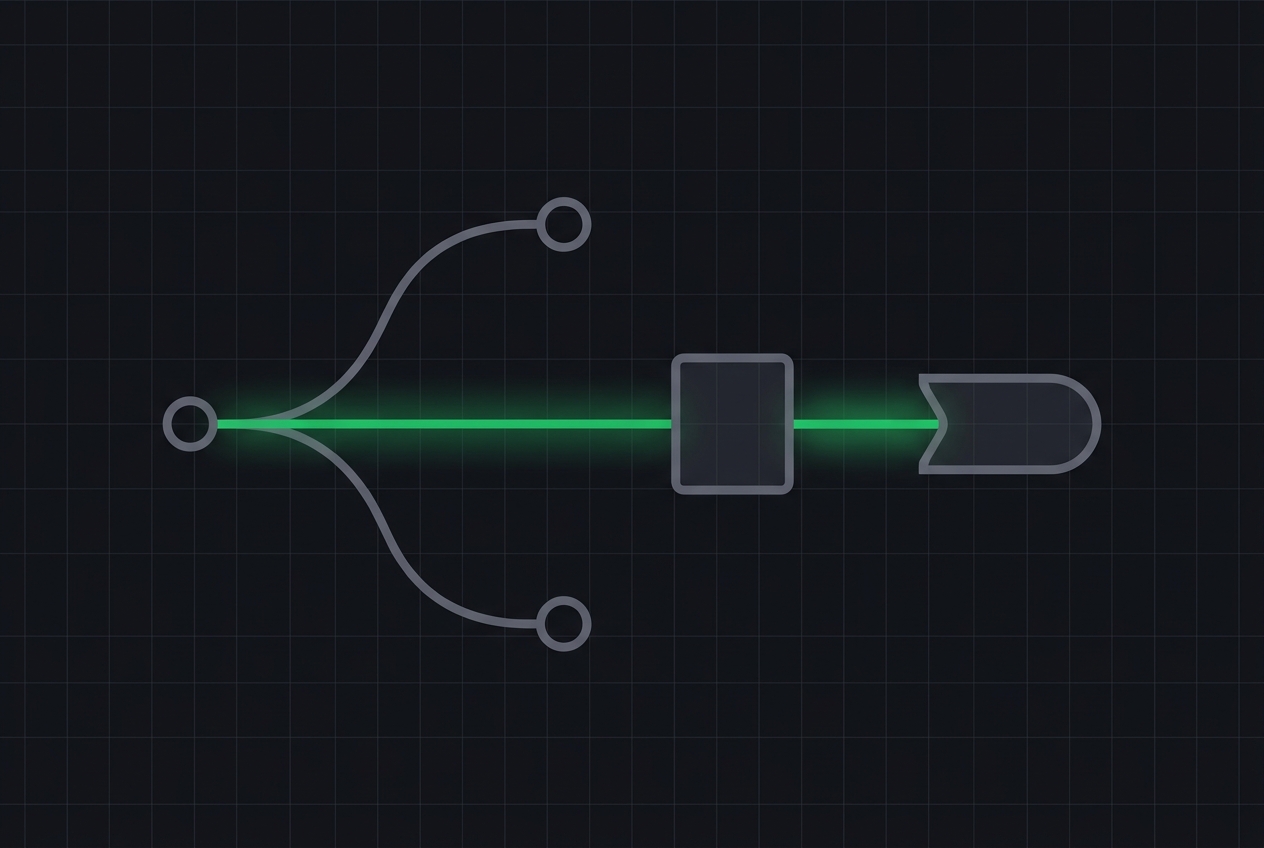
A modern contact center QA program shifts the focus from manual 2% sampling to 100% conversation analysis by integrating automated scoring with targeted human review. This approach moves beyond checking boxes to identifying the root causes of customer friction and compliance risks across every interaction. By utilizing automation to handle routine compliance checks, QA teams can spend their time on high-impact coaching and complex problem-solving.
Key takeaways
- Total visibility is the new standard: Manual sampling of 1-2% of calls leaves 98% of your customer experience and compliance risk unmonitored.
- Outcome-based scorecards: Modern scorecards prioritize resolution and sentiment over rigid scripts and "did they say the name" checkboxes.
- Targeted human intervention: Automation flags high-friction or high-value interactions, allowing human analysts to focus where their expertise is most needed.
- Continuous coaching loops: QA data must feed directly into agent training programs to ensure performance gaps are closed in days, not months.
Why the traditional QA model is broken
Traditional quality assurance in the contact center often relies on a supervisor or analyst listening to a handful of random calls per agent each month. This method is statistically insignificant and frequently leads to biased performance reviews. If an agent has one poor call among a hundred great ones, and that specific call is the one sampled, their performance rating suffers unfairly. Conversely, systemic compliance failures often go undetected because the sample size is too small to catch them.
Furthermore, traditional QA is reactive. By the time a manager identifies a trend through manual listening, the issue has likely impacted hundreds of other customers. To scale effectively, operations leads are moving toward models that provide a comprehensive view of the floor.
Step 1: Redesigning the scorecard for outcomes
A modern QA program begins with a scorecard that measures what actually matters to the business and the customer. While basic compliance (e.g., TCPA disclosures) remains a requirement, the bulk of the scorecard should focus on behavior and resolution.
When designing your scorecard, categorize questions into three buckets:
- Compliance and Protocol: Binary "yes/no" items (e.g., verified the account, read the disclosure). These are the easiest to automate.
- Soft Skills and Sentiment: Qualitative measures like empathy and tone. Modern tools can now provide a baseline sentiment score, which humans can then validate.
- Problem Resolution: Did the agent actually solve the issue? This is the most critical metric for reducing repeat contacts.
Avoid over-complicating the point system. A simple 0-100 scale or a "Pass/Fail/Exceptional" model often provides more clarity for agents than complex weighted averages that are difficult to explain during coaching sessions.
Step 2: Implementing automated coverage
How do you move from sampling to 100% coverage? The answer lies in the technology stack. Most modern contact centers start with a robust CCaaS provider like Genesys or Five9 to capture the raw audio and metadata. However, these platforms often require an additional intelligence layer to make sense of the data.
Gartner’s Customer Service & Support practice tracks the maturity of these technologies in their annual Hype Cycle, noting that domain-specific AI is becoming essential for data protection and operational efficiency. By implementing a conversation intelligence layer, such as Hear.ai, teams can automatically transcribe and score every call against their scorecard. This allows the system to flag specific keywords, compliance breaches, or sudden spikes in negative sentiment without a human having to press play.
Step 3: Closing the coaching loop
Data without action is just noise. The primary goal of a modern QA program is to improve agent performance, which requires a tight feedback loop. Metrigy’s CX/AI success-metrics studies frequently highlight that companies using AI-driven insights for coaching see higher improvements in agent productivity and customer satisfaction.
Instead of a monthly "check-in," managers should use QA data for "micro-coaching." If the system flags that an agent is struggling with a new product launch—evidenced by long hold times and specific keywords—the supervisor can intervene within hours. This makes coaching feel like support rather than a performance reprimand.
Step 4: Managing compliance at scale
Compliance is often the most tedious part of QA, yet it carries the highest risk. In industries like fintech or healthcare, missing a single disclosure can lead to significant fines. Automation is particularly effective here because it does not get tired or distracted.
Teams can pair their existing CRM, such as Salesforce Service Cloud, with conversation intelligence to ensure that the data captured during the call matches the record in the system. For example, if an agent records a "refusal to pay" but the transcript shows a promise to pay, the system can flag the discrepancy for immediate review. This level of oversight is impossible with manual sampling.
How to audit the auditors
Even with 100% automated coverage, the human element remains vital. You must establish a "Calibration" process where QA analysts and supervisors review the same set of calls to ensure they are grading consistently.
If the automated system scores a call as "Low Empathy," a human analyst should review it to ensure the AI isn't misinterpreting a professional, efficient tone for coldness. This calibration ensures the technology stays aligned with your brand voice and that agents trust the data being used to evaluate them.
FAQ
What is the biggest mistake in modern QA? The biggest mistake is using automation only to generate a number. If you automate scoring but don't change how you coach or how you fix broken processes identified by the data, you have simply automated the reporting of failure.
Do we still need human QA analysts? Yes, but their role changes. Instead of listening to random calls to find errors, they become "insight hunters" who investigate the high-risk or high-value calls flagged by the system and focus on high-level strategy and complex coaching.
How do we handle agent pushback on 100% monitoring? Transparency is key. Explain to agents that 100% monitoring protects them from the "bad luck" of a single sampled call and ensures they get credit for the 99% of the time they are doing a great job. Focus the conversation on development rather than discipline.
One-line takeaway
A modern QA program is a transition from a reactive policing function to a proactive intelligence engine that drives both agent growth and business resolution. For more on optimizing your floor, see our guide on how to audit AI agents or learn why you should stop measuring average handle time.