
How to Build a Modern QA Program for Full Conversation Coverage
Learn how to build a modern contact center QA program that moves beyond random sampling to full coverage using automated scorecards and conversation intelligence.
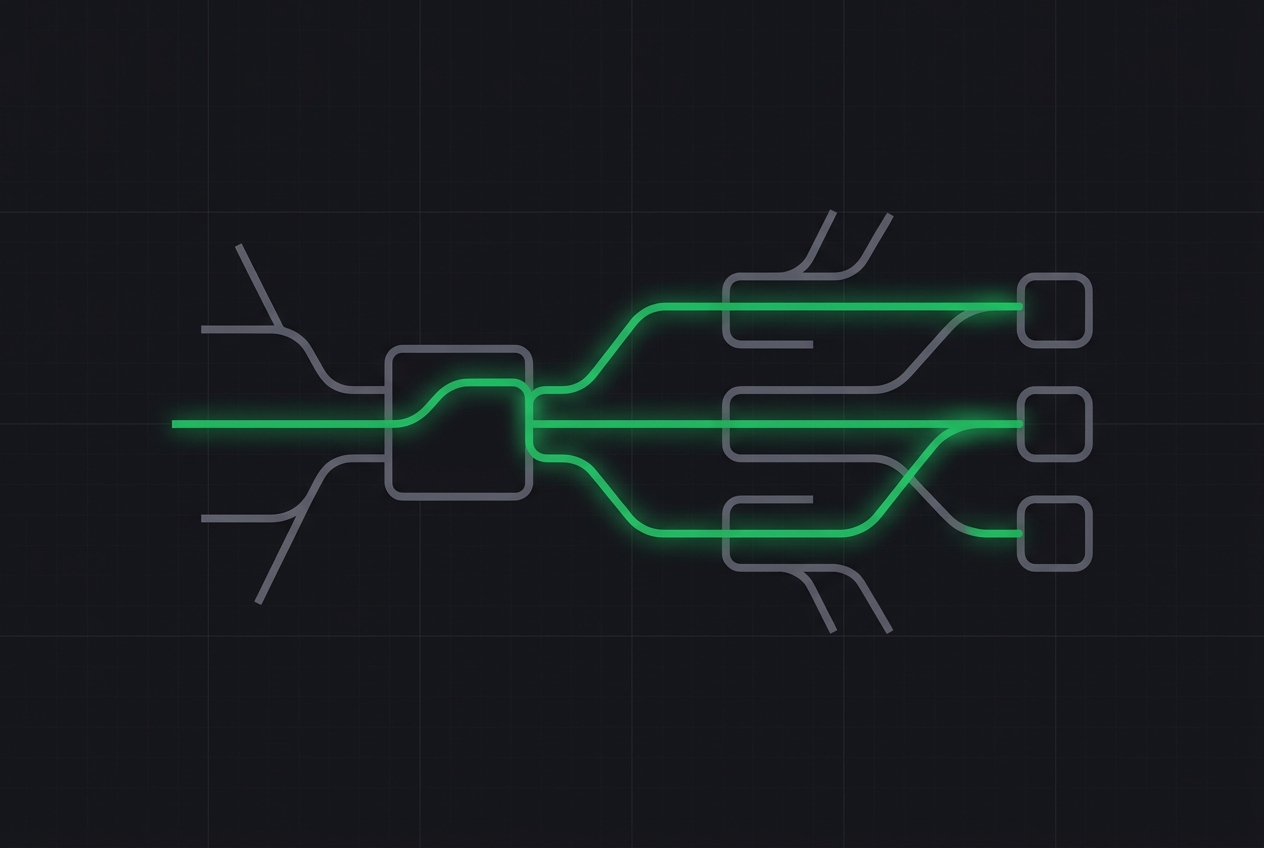
Modern contact center quality assurance (QA) is the process of evaluating agent interactions against business standards to improve customer satisfaction and operational efficiency. Unlike traditional programs that rely on manual sampling of 1% to 2% of calls, a modern QA program uses automated conversation intelligence to analyze every interaction, providing a comprehensive view of performance and compliance. This shift allows operations leads to move from a "gotcha" mentality to a systemic coaching model based on objective data.
Key takeaways
- Shift from sampling to census: Modern programs analyze 100% of interactions to eliminate the bias and inaccuracy of random sampling.
- Design behavioral scorecards: Move beyond binary compliance checks to measure soft skills and sentiment that drive customer loyalty.
- Integrate automated flagging: Use AI to identify high-risk or high-value calls for human review, maximizing the efficiency of QA managers.
- Close the loop with coaching: Link QA findings directly to training modules to ensure performance gaps are addressed in real-time.
Why is traditional manual sampling failing?
Traditional QA sampling is failing because it provides a statistically insignificant view of agent performance. When a QA manager only reviews two calls per agent per month, a single bad interaction can unfairly skew an agent's performance rating, while dozens of excellent interactions go unnoticed. This creates friction between management and staff and fails to identify the root causes of systemic issues.
Research from the Gartner — Customer Service & Support practice (https://www.gartner.com/en/customer-service-support) suggests that by 2026, domain-specific AI will be a primary driver in automating these types of manual administrative tasks. By moving to a modern QA model, operations leads can focus their human talent on high-level strategy and complex coaching rather than listening to hours of routine dead air or hold music.
How do you design a modern QA scorecard?
A modern QA scorecard should be split into three distinct categories: compliance, process, and behavior. Compliance includes legal requirements like ID verification and privacy disclosures. Process covers the technical steps of the interaction, such as proper CRM documentation in platforms like Salesforce Service Cloud (https://www.salesforce.com/service/). Behavior focuses on the "how" — empathy, active listening, and tone.
To build an effective scorecard:
- Define objective criteria: Replace subjective terms like "was friendly" with specific behaviors like "used the customer's name" or "offered a proactive solution."
- Weight your categories: Compliance is non-negotiable but doesn't necessarily drive NPS. Assign higher weights to behavioral markers that correlate with your primary business goals.
- Build for automation: Ensure your criteria can be identified by conversation intelligence tools. For example, Hear.ai can automatically flag whether an agent followed a mandatory disclosure script, allowing human reviewers to focus only on the nuances of the conversation.
What technology powers a 100% coverage model?
Building a modern QA program requires a tech stack that connects your communication channels with an analytical layer. This typically begins with a cloud-based contact center as a service (CCaaS) platform such as Five9 (https://www.five9.com) or Genesys (https://www.genesys.com), which capture the raw audio and text data.
From there, a conversation intelligence layer is applied. This layer, often integrated with infrastructure from providers like Microsoft (https://www.microsoft.com) or Google Cloud (https://cloud.google.com), transcribes the audio and applies natural language processing (NLP) to score the interaction against your digital scorecard. Metrigy (https://www.metrigy.com), which tracks CX and AI success metrics, often highlights that companies utilizing these automated tools see more consistent performance across their global footprints compared to those relying on manual site-by-site reviews.
How does calibration work in an automated environment?
Calibration is the process of ensuring that different evaluators — whether human or AI — score the same interaction in the same way. In a modern program, calibration shifts from "agreeing on a score" to "tuning the model."
Operations leads should hold bi-weekly calibration sessions where the QA team reviews a set of calls already scored by the AI. If the human team disagrees with the automated score, the logic or keywords in the conversation intelligence tool are adjusted. This ensures the program remains accurate as customer language and business products evolve. For more on managing this transition, see our guide on [measuring-agent-performance.html].
How do you turn QA data into agent coaching?
QA data is only valuable if it results in behavioral change. A modern playbook integrates QA scores directly into the coaching workflow. Instead of waiting for a monthly review, agents should receive automated feedback immediately after a call is scored.
When the system flags a specific deficiency — such as a failure to handle an objection correctly — it should trigger a specific micro-learning module. This "closed-loop" coaching ensures that agents are constantly improving. You can read more about building these feedback loops in our playbook on [coaching-frameworks.html].
FAQ
How many calls should we still audit manually? While AI can score 100% of calls for basic criteria, we recommend human managers manually audit 2-5% of calls, specifically those flagged as "outliers" (extremely high or low sentiment) to provide nuanced feedback that machines might miss.
Will AI replace my QA team? No. AI replaces the repetitive task of listening to calls. Your QA team shifts from "data collectors" to "performance analysts" and "coaches," focusing on high-value strategy and agent development.
How long does it take to implement an automated QA program? Most teams can deploy a basic automated scorecard within 30 to 60 days, with the first 30 days focused on ingesting data from your CCaaS provider and the following 30 days spent on calibration and refining the AI's accuracy.
How do agents react to 100% monitoring? Transparency is key. When agents understand that 100% coverage protects them from being judged on a single "bad" call and ensures their consistent hard work is recognized, buy-in typically increases compared to random sampling.
Explore our guide on [agent-coaching-best-practices.html] to learn how to turn these QA insights into consistent performance gains across your floor.