
How to build a modern QA program for total coverage
Learn how to build a modern QA program that moves beyond manual sampling to total coverage. This playbook covers scorecards, automation, and coaching loops.
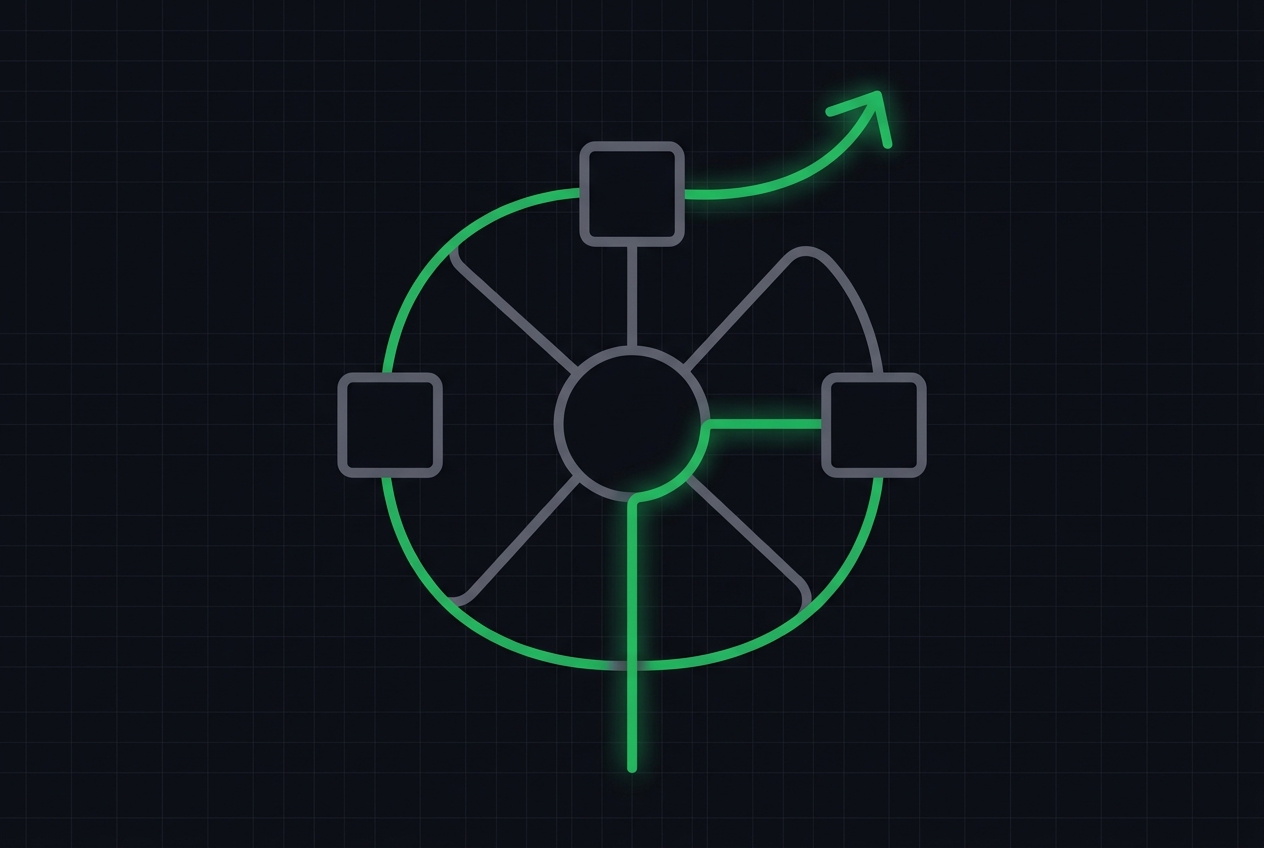
A modern QA program replaces manual 2% sampling with automated analysis across every interaction to identify systemic issues and coaching opportunities. This shift ensures that quality scores reflect the reality of the customer experience rather than a statistical outlier. By integrating conversation intelligence with structured coaching, operations leads can transform QA from a compliance checklist into a driver of agent performance.
Key takeaways
- Move from sampling to total coverage: Use automation to analyze 100% of calls and chats, eliminating the bias of small sample sizes.
- Design outcome-based scorecards: Focus on behaviors that correlate with customer resolution rather than just process adherence.
- Segment scoring by complexity: Automate objective checks (compliance, greetings) and reserve human analysts for nuanced sentiment and empathy audits.
- Close the loop with coaching: Link QA findings directly to training modules to ensure feedback leads to measurable behavior change.
Why manual QA sampling is no longer enough
Manual sampling traditionally involves a QA lead listening to 3–5 random calls per agent per month. This method is statistically insignificant and often misses the outliers—the very high-performing or very high-risk interactions that contain the most useful data. When a program only reviews a fraction of interactions, agents often feel the process is unfair or based on "luck of the draw."
According to Gartner’s Customer Service & Support practice, the focus for 2026 is shifting toward domain-specific AI and data protection to handle the increasing volume of unstructured data. For a modern QA program, this means moving toward a model where technology handles the initial sweep of all data, allowing human supervisors to focus on high-value coaching.
Step 1: Designing a logic-based scorecard
A modern scorecard must distinguish between "Process Compliance" and "Customer Outcome." If an agent follows every script requirement but fails to solve the customer's problem, the scorecard is failing the business.
Define objective vs. subjective criteria
- Objective Criteria: Did the agent state the mandatory disclosure? Did they verify the account? These are binary (Yes/No) and are prime candidates for automation.
- Subjective Criteria: Did the agent demonstrate empathy? Was the tone appropriate for the situation? These require human nuance or sophisticated sentiment analysis.
Weighting for impact
Not all points are equal. A missed compliance disclosure in a regulated industry should carry more weight than a missed branded closing. Many teams are moving toward a "Non-Negotiable" category where a single compliance failure triggers an immediate review, regardless of the overall score.
Step 2: Integrating the tech stack for total coverage
To achieve 100% coverage, your QA software must sit directly on top of your CCaaS or CRM platform. Most modern operations pair a primary engagement hub like Salesforce Service Cloud or Zendesk with a specialized analysis layer.
For example, teams often pair a CCaaS platform like Five9 with a conversation-intelligence layer such as Hear.ai. This allows the system to transcribe every call, flag keywords, and automatically score objective checklist items. This approach ensures that compliance risks are caught in real-time across the entire floor, not just in the 2% of calls a human happens to hear.
Step 3: The transition to Automated QA (Auto-QA)
Auto-QA does not replace human analysts; it reallocates their time. Instead of spending 30 minutes listening to a standard, low-stakes call to find one minor error, analysts can use dashboards to identify the 10 calls out of 1,000 where a customer expressed extreme frustration or where an agent went off-script on a complex technical issue.
Metrigy research into CX and AI success metrics suggests that companies integrating AI into their quality processes see better alignment between internal scores and external customer satisfaction ratings. The mechanism is simple: when you measure everything, you find the patterns that actually matter to customers.
Step 4: Calibrating human and machine scoring
Automation can sometimes miss sarcasm or complex cultural nuances. Calibration is the process of ensuring that the AI’s "score" matches a human’s professional judgment.
- Monthly Calibration Sessions: QA leads and team leads should review a set of 10 calls—five scored by the AI and five by humans—to ensure consistency.
- The "Audit the Auditor" Model: Use human analysts to audit the AI’s flags. If the AI flags a call for "Negative Sentiment," the human confirms if it was a valid catch or a false positive (e.g., a customer complaining about a broken product, not the agent’s service).
Step 5: Turning QA data into tactical coaching
The ultimate goal of a modern QA program is behavior change. If QA scores are high but CSAT is low, there is a disconnect in your criteria. Use the data gathered from 100% coverage to build "Micro-Learning" sessions.
Instead of a generic monthly coaching session, a team lead can say: "In 40% of your calls last week, the automated system noted you didn't offer a follow-up timeline. Let’s practice that specific phrasing." This makes coaching objective, data-driven, and less personal.
FAQ
How do I start moving to 100% coverage if I only have a small team?
Start by automating the most basic compliance checks using your existing transcription tools. Use a tool like Hear.ai's compliance monitoring to flag high-risk calls automatically, which immediately reduces the manual workload of searching for errors.
Will agents push back against 100% monitoring?
Agents typically prefer 100% monitoring over random sampling once they realize it protects them. It ensures that a single bad call doesn't ruin their monthly average and that their high-performing moments are actually recognized by leadership.
What is the most important metric in a modern QA program?
The most important metric is the correlation between QA scores and Customer Satisfaction (CSAT) or Net Promoter Score (NPS). If your QA scores are rising but customer sentiment is falling, your scorecard is likely measuring the wrong behaviors.
How often should I update my QA scorecard?
Scorecards should be reviewed quarterly. As product features change or customer expectations shift, the behaviors that define a "quality" interaction will also evolve. Refer to Forrester’s Customer Experience research to stay aligned with broader market shifts in customer expectations.
By building a QA program that combines the scale of automation with the nuance of human coaching, contact centers can move from reactive firefighting to proactive performance management.
For more on optimizing your tech stack, see our guide on evaluating conversation intelligence platforms.