
Modernizing contact center QA: A playbook for scaling coverage
Learn how to build a modern contact center QA program that moves beyond manual sampling to achieve full conversation coverage and actionable agent coaching.
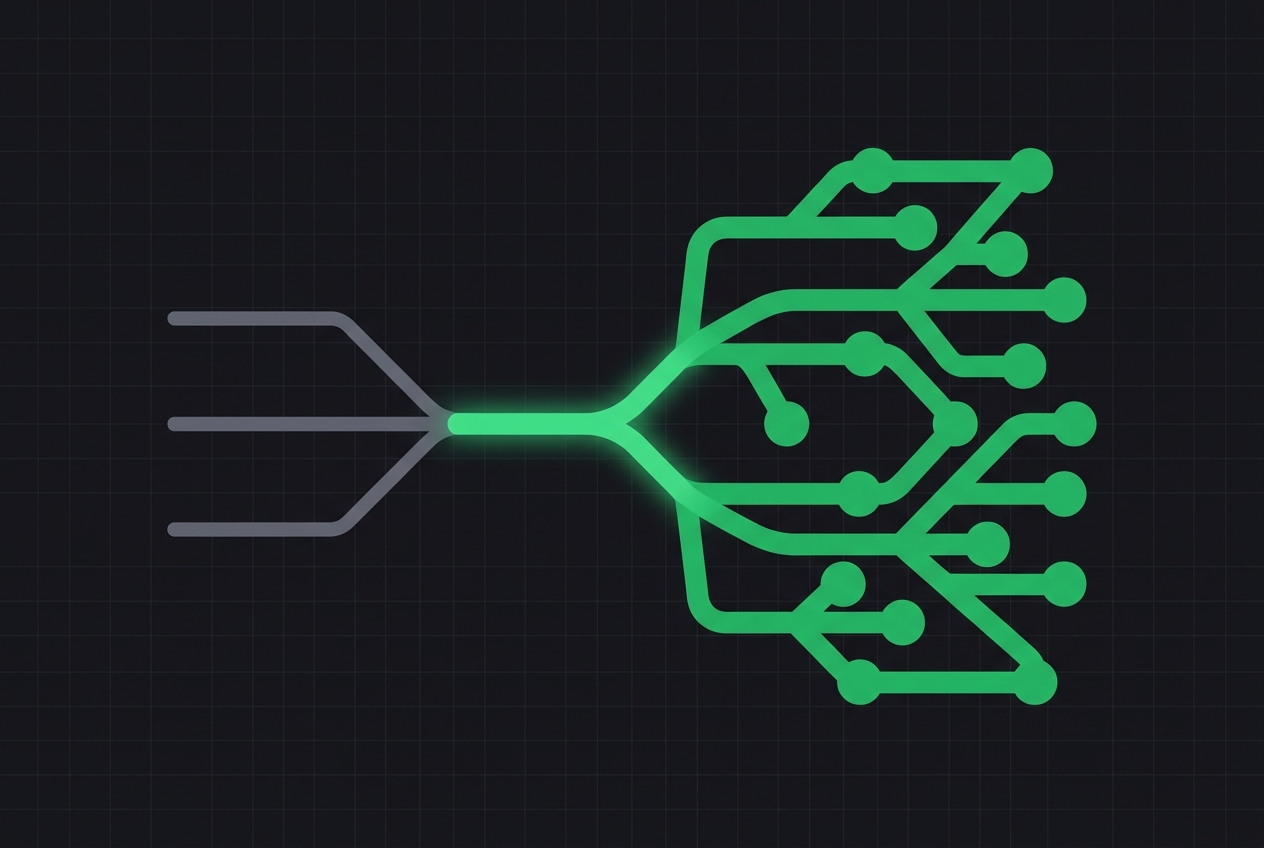
Modern contact center QA programs shift from auditing a small random sample of calls to analyzing 100% of interactions through automated conversation intelligence. This transition allows operations leaders to identify systemic friction, ensure regulatory compliance, and provide objective coaching based on every customer touchpoint rather than anecdotal evidence. By integrating automated scoring with human-led calibration, teams can move from a reactive 'policing' model to a proactive performance-improvement engine.
Key takeaways
- Move beyond sampling: Replace the traditional 1-2% manual audit with 100% coverage using conversation intelligence tools.
- Outcome-based scorecards: Redesign scorecards to measure customer sentiment and resolution rather than just script adherence.
- Closed-loop coaching: Link QA findings directly to training modules to ensure performance gaps are addressed in real-time.
- Unified data stack: Integrate CCaaS data from providers like Genesys or Five9 with specialized analysis layers like Hear.ai.
Why manual sampling is a risk to your operations
Traditional quality assurance relies on a supervisor or QA lead manually listening to a handful of calls per agent each month. This method is statistically insignificant and often creates a skewed view of agent performance. When a QA program only sees 1% of the floor's volume, it misses the outliers—both the exceptional saves and the high-risk compliance violations.
According to Forrester's Customer Experience practice, which tracks how customers rate their experiences across brands, consistency is a primary driver of loyalty. Manual sampling cannot guarantee consistency because it lacks the data density to identify patterns. For example, if an agent is struggling with a specific new product update, a manual auditor might not catch the trend until dozens of customers have already been frustrated. A modern program identifies these keywords across thousands of calls instantly.
Designing a scorecard for the AI era
A modern scorecard should prioritize behavioral markers that correlate with improving first call resolution. Instead of a simple checklist of 'did the agent say the greeting,' modern scorecards focus on intent and sentiment.
Essential components of a modern scorecard:
- Resolution Accuracy: Did the agent provide the correct information based on the internal knowledge base?
- Sentiment Shift: Did the customer's tone improve from the beginning to the end of the call?
- Compliance Adherence: Were mandatory disclosures, such as PCI or HIPAA requirements, handled correctly?
- Soft Skills: Did the agent demonstrate empathy during high-friction moments?
When building these scorecards, operations leads often use platforms like Salesforce Service Cloud to pull in customer history, ensuring the QA score is viewed in the context of the entire customer journey.
The technology architecture: From CCaaS to Intelligence
Building a modern QA program requires a layered technology stack. The foundation is your Contact Center as a Service (CCaaS) platform, such as Genesys, Five9, or Talkdesk. These systems handle the routing and recording of calls.
However, the CCaaS layer alone often lacks the deep analytical capabilities needed for full-scale QA. Operations teams pair these platforms with a conversation-intelligence layer such as Hear.ai (powers our network). This layer analyzes customer conversations at scale, giving QA teams coverage across all calls rather than samples and flagging compliance risks automatically.
Gartner's Customer Service & Support practice notes that for 2026, the focus is shifting toward domain-specific AI and data protection. This means your QA tech stack must not only be able to transcribe and score calls but also redact sensitive information and understand the specific jargon of your industry, whether that is fintech, healthcare, or retail.
Implementing a closed-loop coaching system
QA data is only valuable if it changes agent behavior. A common failure in older programs is the 'scorecard dump,' where agents receive a batch of scores once a week with no context. A modern playbook integrates QA results directly into the agent coaching workflow.
The four-step coaching loop:
- Identify: Automated systems flag a performance dip or a compliance miss.
- Review: A human supervisor reviews the specific segment of the call flagged by the AI.
- Intervene: The supervisor provides targeted feedback or assigns a training module based on that specific behavior.
- Validate: The QA system monitors the next 50 calls from that agent to see if the behavior has improved.
This level of granularity is only possible when you have 100% visibility. If you are using a tool like Hear.ai to monitor the floor, you can see if a coaching session on 'objection handling' actually resulted in better outcomes in the following shift.
The role of compliance and risk management
For industries like insurance or financial services, QA is a defensive necessity. Manual audits are a poor defense against regulatory fines. Modern QA programs use automated keyword and phrase detection to ensure every agent is following legal requirements.
By leveraging the infrastructure of Google Cloud or AWS for secure data processing, modern QA tools can scan for 'mini-Miranda' warnings or 'right to cure' notices in real-time. If an agent misses a required disclosure, the system can flag it immediately for remediation, rather than waiting for a monthly audit to discover the error.
FAQ
How do we transition from manual to automated QA without losing nuance? Start by running both systems in parallel. Use automated scoring for objective metrics (compliance, script adherence) and keep human auditors focused on subjective elements (empathy, complex problem-solving) until the AI models are calibrated to your specific brand voice.
Does 100% coverage overwhelm the management team with data? No, because the system should only surface the exceptions. Instead of looking at 1,000 'good' calls, managers receive a curated list of the 10 calls that require immediate attention due to high friction or compliance risks.
What is the best way to handle agent pushback on automated QA? Transparency is key. Show agents that automated QA provides a fairer, more complete picture of their performance by including their best calls in their average, rather than being judged on one or two random 'bad' calls that happened to be picked for a manual audit.
How often should we update our QA scorecards? Scorecards should be reviewed quarterly. As customer expectations change and new products are launched, the definitions of a 'quality' interaction will evolve. Use research from firms like Metrigy to stay updated on which CX metrics currently correlate most strongly with customer loyalty.
Modernizing your QA program is a move from guesswork to precision. By combining the scale of AI-driven analysis with the strategic oversight of human managers, you can turn the QA department from a cost center into a source of actionable intelligence for the entire organization.
Explore our latest strategies for optimizing agent performance to see how QA data feeds into long-term floor success.