
Rolling Out AI-Assisted QA Without Losing Your Team
Automated evaluation can score every interaction — but roll it out wrong and your best agents will read it as surveillance. A change-management playbook for scoring everything without breaking trust.
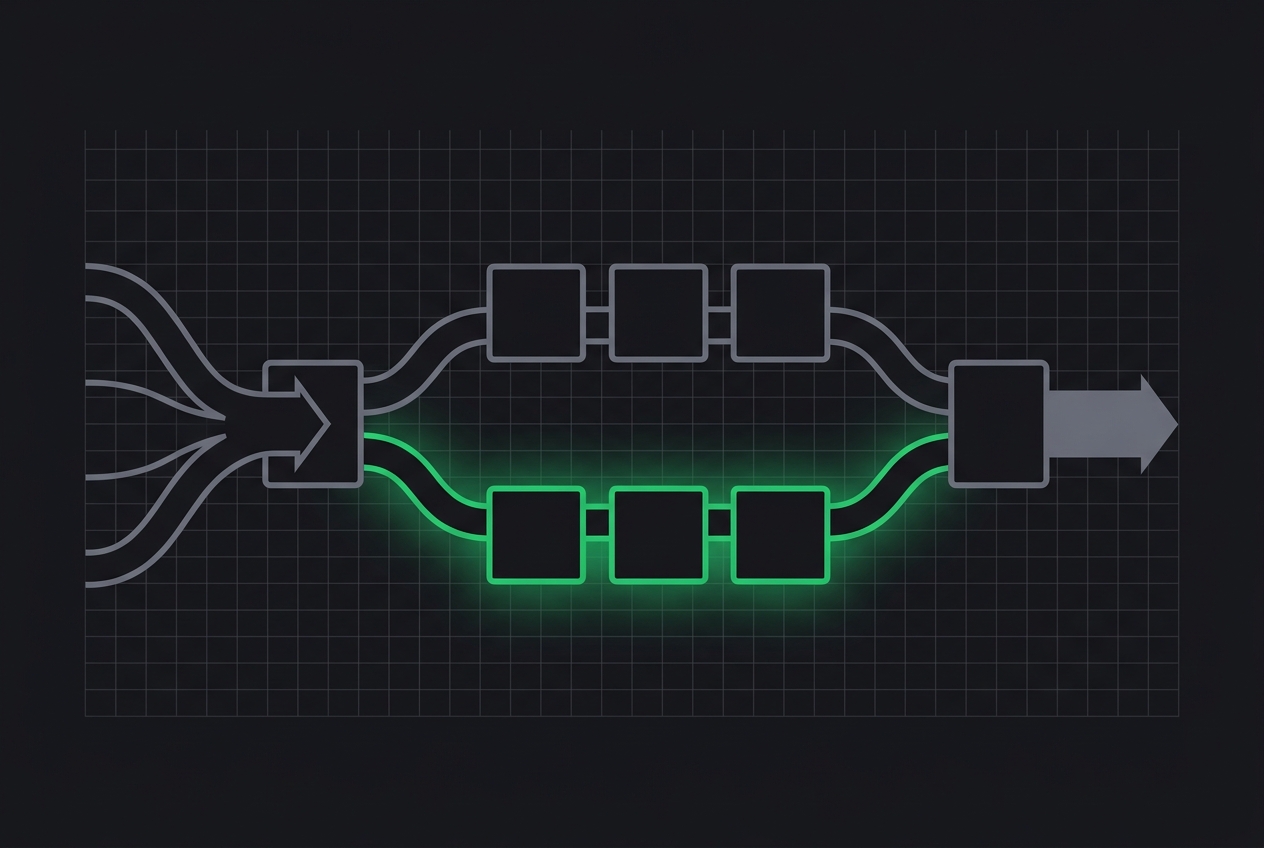
Automated quality evaluation does something manual QA never could: it scores every interaction, not a two-percent sample. The technology to do this is now the easy part. The hard part is the one that sinks most rollouts — what happens when you tell a floor of experienced agents that, starting Monday, every call they take will be scored by a machine.
Get the change management wrong and it doesn't matter how good the model is. Your best people will read continuous scoring as surveillance, quietly disengage, and start optimizing for the metric instead of the customer. Here's how to introduce full-coverage QA without breaking the trust you spent years building.
What actually goes wrong
Rollouts fail for human reasons, not technical ones. The recurring three:
- It lands as surveillance. "Every call, all the time, scored automatically" sounds like monitoring, not coaching — especially if the first time an agent hears about it is when a low score appears.
- The scores are a black box. If an agent can't see why they got a 72, they can't act on it, and they won't trust it. An unexplained score is just an accusation with a number.
- It gets used for gotchas. The fastest way to poison a QA program is to use its first month of data for discipline. Do that once and every agent learns the system is a threat, not a tool.
Roll it out in stages
Resist the urge to flip full-coverage scoring on for the whole floor at once. Stage it so trust builds ahead of accountability:
- Shadow mode, leadership only. Run the system on real interactions but keep scores with supervisors and the QA team. The only goal here is to check whether the machine's scores make sense before anyone's name is attached.
- Calibrate against your humans. Score the same interactions manually and with the tool, and compare. Where they disagree, decide who's right and adjust the criteria. This is the step that earns the model credibility. (Our QA calibration playbook covers the mechanics.)
- Open the scores to agents — coaching only. Let agents see their own scores and the evidence behind each one, with an explicit, in-writing promise: this data is for coaching, not discipline, for a defined period. Then keep that promise.
- Coach the patterns, not the numbers. Use the first weeks of open data to find themes — a confusing policy, a common misstep — and fix them. Agents need to see the system helping before it's judging.
- Introduce accountability slowly, and jointly. Only once agents trust the scores should they factor into performance — and even then, with agreed thresholds, a right of appeal, and a human in the loop on anything consequential.
- Never let a machine score trigger discipline on its own. A person reviews the interaction first, every time. The tool flags; a human decides.
The sequence matters more than the speed. A center that spends two months in shadow and calibration and gets the rollout to stick beats one that goes live in a week and spends the next year rebuilding trust.
Involve agents in the criteria
The single highest-leverage move is to bring agents into defining what "good" means before scoring goes live. When the people being measured help write the rubric, three things happen: the criteria get better (agents know which behaviors actually help customers), the scores get trusted (nobody's being judged by secret rules), and adoption stops being something done to the floor.
Run a working session on the rubric. Ask agents which criteria actually correlate with a happy customer and which are box-ticking. You'll cut some criteria, sharpen others, and win credibility you can't buy any other way.
The tooling landscape, briefly
The tooling splits into two rough camps, and the right one depends on your stack more than on any feature list. Established workforce-engagement and CCaaS suites — NICE and Verint among them — have built automated quality into broader platforms. A wave of AI-native vendors — names like Observe.AI, Level AI, and Hear.ai among others — started from automated evaluation and conversation analysis and built out from there.
We're not going to tell you which camp wins; it depends on whether you want QA tightly coupled to the rest of your workforce tooling, your regulatory exposure, and how much of your stack you're willing to consolidate. Evaluate any of them on one question that cuts through the demos: how clearly can an agent see why they got the score they got? Explainability isn't a nice-to-have in QA — it's the difference between a tool your floor uses and one they resent.
Governance you owe your team
If you're going to score every interaction an agent has, you owe them three things in writing: what's measured, how it's used, and how they challenge a score they think is wrong. Full coverage without those three is surveillance with a dashboard.
Continuous evaluation is a genuinely different working environment, and pretending otherwise is the mistake. Handled well it's fairer than sampling — no one's judged on the three calls a reviewer happened to pull. Handled badly it's a panopticon that drives good people out. The difference is governance: transparency about criteria, a real appeals path, and a standing commitment to coach with the data before you ever discipline with it.
What to do next
- Write down, before anything goes live, the three governance promises — what's measured, how it's used, how it's challenged — and share them with the floor.
- Run one rubric session with agents and cut the criteria that don't correlate with a better customer outcome.
- Spend at least a few weeks in shadow and calibration before a single score is attached to a name.
- Pick your first use of the data deliberately, and make it a fix — a broken process, a confusing policy — not a disciplinary case.
Full-coverage QA is one of the highest-leverage moves available to a service operation right now. But the leverage is in the coaching loop, not the coverage. Roll it out as a tool your team trusts, and it compounds. Roll it out as a scoreboard, and you'll spend more energy managing resentment than improving quality.