
Ditch the checklist: How to build QA scorecards that stick
Learn how to design QA scorecards that agents respect. Move from compliance-heavy checklists to tactical design patterns that drive performance and buy-in.
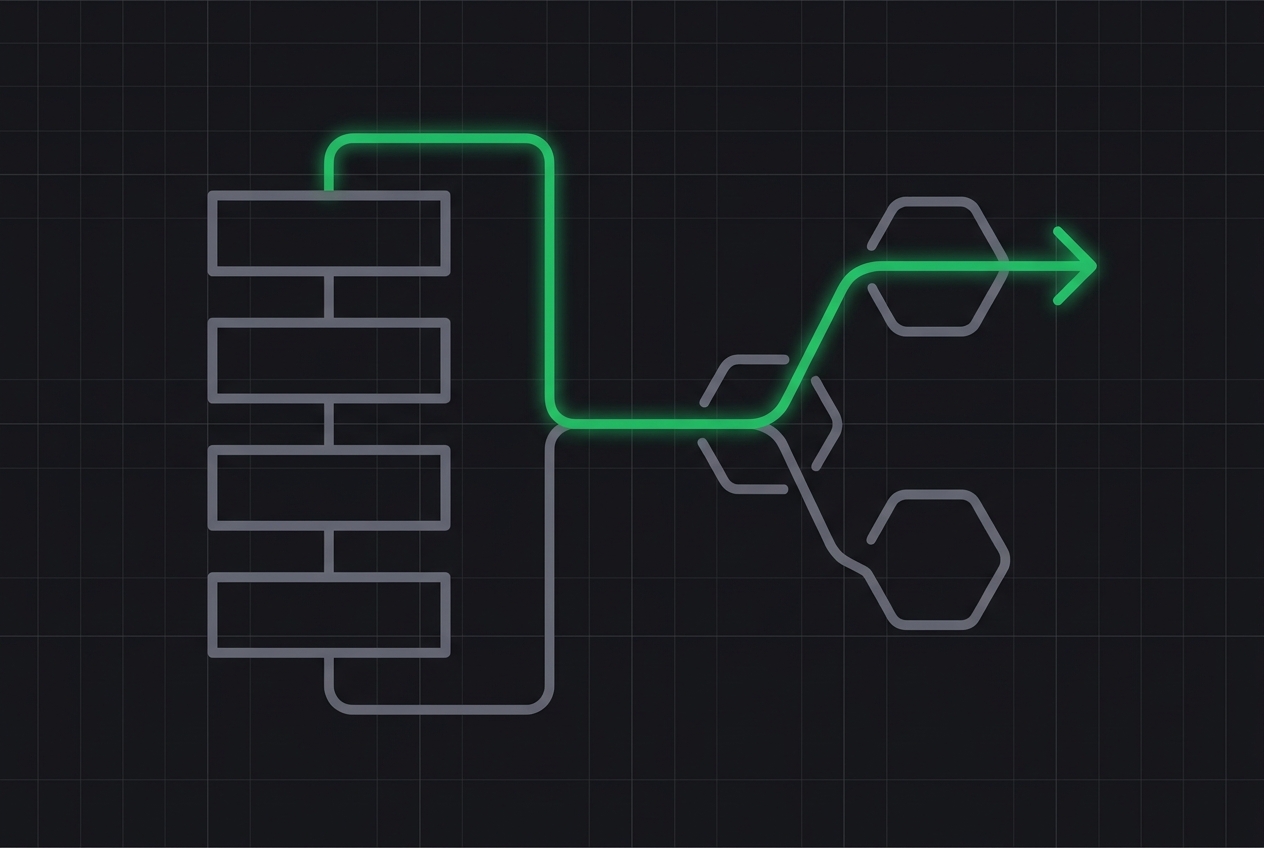
Modern quality assurance (QA) scorecards succeed when they shift from being "gotcha" checklists to performance-oriented frameworks that agents find fair and actionable. By focusing on behavioral outcomes rather than rigid scripts and integrating automated insights, managers can create a feedback loop that frontline teams actually value. The goal is to move from a culture of monitoring to a culture of development.
Key takeaways
- Prioritize intent over exact phrasing to allow for natural conversation and professional judgment.
- Weight behaviors based on customer impact, ensuring agents focus on solving problems rather than hitting checkboxes.
- Use automated QA to remove sampling bias, providing a more accurate and fair representation of agent performance.
- Build a transparent rebuttal process to maintain trust and ensure the scorecard remains objective.
The Psychology of the Scorecard: Why Agents Resist
Resistance to QA often stems from a lack of perceived fairness. When an agent feels their score depends more on which 2% of calls were randomly selected than on their overall performance, the scorecard becomes a source of anxiety rather than a tool for growth. This is a common reason why your QA scorecards fail when they hit the floor.
According to the McKinsey State of Customer Care surveys, agent experience is a primary driver of retention. A scorecard that feels like a "trap" increases attrition. To fix this, managers must design scorecards that reflect the messy, non-linear reality of human conversation. If an agent solves a complex billing issue but loses points because they didn't use the customer's name three times, the system is broken. The agent views the scorecard as a hurdle to clear, not a standard to meet.
Pattern 1: Intent-Based Scoring (The "Why" over the "What")
Traditional scorecards are often overly prescriptive. They require specific phrases ("I am happy to help you with that today") rather than measuring the underlying intent (Assisting the customer).
The Mechanism: Intent-based scoring evaluates whether a requirement was met, regardless of the specific words used. For example, instead of a line item for "Used the standard greeting," use "Professional opening and identification of the brand."
This approach works because it allows agents to bring their personality to the interaction, which is essential for building rapport. It also makes the scorecard more resilient across different platforms. Whether an agent is working in Zendesk or Salesforce Service Cloud, the intent remains the same even if the channel constraints differ.
Pattern 2: Dynamic Weighting and the "Big Rocks"
Not every line item on a scorecard is created equal. A failure to verify an account (a compliance risk) is significantly more important than a failure to offer a specific cross-sell.
Gartner's Customer Service & Support practice emphasizes the importance of domain-specific focus in service operations. In a modern scorecard, you should categorize items into three tiers:
- Non-Negotiables (Auto-Fail or High Weight): Legal compliance, data protection, and authentication.
- Performance Drivers: Problem resolution, accuracy of information, and technical proficiency.
- Soft Skills: Tone, empathy, and professional etiquette.
By weighting the "Performance Drivers" more heavily than "Soft Skills," you signal to the agent that their primary job is to solve the customer's problem. This alignment reduces the friction that occurs when an agent feels they are being penalized for prioritizing a resolution over a script.
Pattern 3: Automated Parity (Removing the "Bad Luck" Factor)
One of the loudest complaints from agents is the unfairness of small-sample auditing. An agent might have 98 great calls and 2 bad ones; if the QA lead happens to pick the 2 bad ones, that agent’s performance review is ruined.
To solve this, many operations are moving toward the operational reality of moving from sampling to 100% QA review. By using a conversation-intelligence layer like Hear.ai, teams can analyze every single conversation for compliance and sentiment.
When you use automation to flag risks across all calls, the human QA lead can transition from a "policeman" to a "coach." The agent no longer feels singled out by a random sample because the data is comprehensive. This shift increases buy-in because the agent knows their score is based on their total body of work, not a statistical outlier.
Pattern 4: The Observable Behavior Standard
Scorecards often fail because they use subjective language like "Was the agent friendly?" or "Did the agent show empathy?" Subjectivity leads to calibration drift, where two different auditors give the same call two different scores.
Instead, use Observable Behavior Standards. Instead of "Was the agent empathetic?", use "Did the agent acknowledge the customer's stated emotion?" (e.g., "I understand that this delay is frustrating").
This makes the scorecard easier to defend. If an agent disputes a score, the auditor can point to a specific moment in the transcript or recording where the behavior either happened or didn't. Tools like NICE and Five9 provide the recording infrastructure, but the scorecard logic must be built on these observable triggers to survive a rebuttal.
How to Test Your Scorecard Before the Rollout
Before pushing a new scorecard to the entire floor, run a "Shadow Audit." Take 50 calls that were scored on the old system and re-score them on the new one.
- Look for Variance: Did the top performers change? If your best agents are suddenly failing, the scorecard might be over-indexed on compliance at the expense of resolution.
- Agent Focus Group: Show the new criteria to a handful of veteran agents. Ask them: "If you followed this scorecard perfectly, would the customer actually be happier?" If the answer is no, you are measuring the wrong things.
- Check for Redundancy: If two questions on the scorecard always get the same answer, combine them. A lean scorecard is a respected scorecard.
As IDC notes in their research on customer experience technology, the trend is toward data-driven, real-time feedback. Your scorecard should be a living document that evolves as your product and customer expectations change.
FAQ
Q: How many questions should be on a modern QA scorecard? A: Aim for 8 to 12 items. Anything more than 15 becomes difficult for an agent to keep in mind during a live call, leading to cognitive overload and a robotic performance.
Q: Should agents be involved in the design of the scorecard? A: Yes. Involving high-performing agents in the design process ensures the criteria are grounded in reality. It also creates internal "champions" who can explain the reasoning behind the scorecard to their peers.
Q: How do we handle "N/A" items without ruining the score? A: Use a weighted percentage system. If a question is marked N/A (e.g., a cross-sell that wasn't applicable), the points for that item should be redistributed across the remaining categories so the agent isn't penalized for a situation outside their control.
Q: How often should we update our QA criteria? A: Review your scorecard quarterly. If your business shifts from "growth at all costs" to "efficiency and retention," your scorecard weights should reflect that change immediately.
Designing a scorecard that agents respect requires a shift in perspective. When the scorecard is built to support the agent's ability to help the customer—rather than just checking boxes for the sake of a report—you will see higher engagement, better calibration, and ultimately, a more effective contact center floor.
Explore our guide on moving QA from manual auditing to insight orchestration to see how these scorecards fit into a broader automation strategy.