
Building a modern contact center QA program for full coverage
Learn how to move from manual sampling to 100% QA coverage. This playbook covers scorecard design, automation tools, and behavioral coaching strategies.
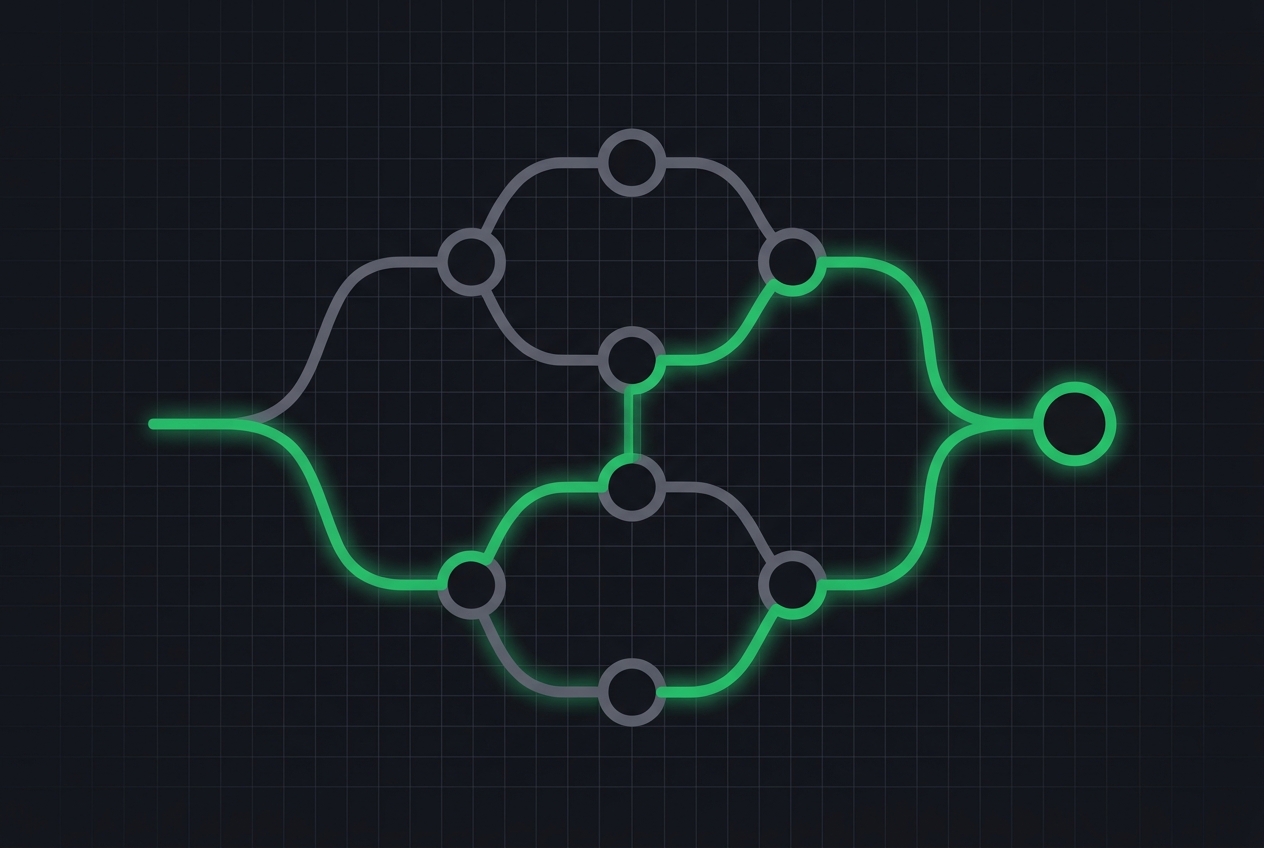
A modern contact center QA program replaces manual sampling with automated 100% conversation coverage, shifting the focus from auditing to behavioral coaching. By combining conversation intelligence with human calibration, teams can identify systemic friction and improve agent performance across every interaction. This approach ensures that compliance and quality are monitored at scale rather than through statistically insignificant random checks.\n\nKey takeaways\n* Eliminate blind spots: Transition from 2% manual sampling to 100% automated analysis of all conversations.\n* Behavioral rubrics: Replace binary yes/no checklists with rubrics that measure the quality of customer interactions.\n* Operational integration: Use QA data to inform workforce management (WFM) and training schedules, not just for disciplinary action.\n* Human-in-the-loop: Maintain regular calibration sessions to refine AI accuracy and ensure agent trust in the scoring process.\n\n## Why the 2% sampling model is failing your operation\n\nFor decades, the standard for quality assurance has been the random sample. A supervisor or QA specialist listens to two to five calls per agent per month and scores them against a checklist. In a high-volume environment where an agent handles 800 to 1,000 interactions monthly, a five-call sample represents less than 1% of their work. This is statistically insignificant.\n\nThis model creates two major problems. First, it is prone to "luck of the draw" bias. A high-performing agent might be penalized for one outlier call, while a struggling agent might have their only three good calls of the month selected for review. Second, manual sampling misses systemic issues. If 15% of your customers are complaining about a specific billing update, manual QA is unlikely to catch the trend until it has already impacted your Forrester CX Index scores.\n\nModern operations are moving toward "Total Coverage." This involves using automated tools to transcribe and analyze every interaction, allowing human QA teams to focus their energy on the 5% of calls that actually require nuance and empathy-based coaching.\n\n## How do you design a behavioral scorecard?\n\nThe biggest mistake in QA is using a scorecard that looks like a grocery list. Binary items like "Did the agent say the customer's name?" or "Did the agent use the standard greeting?" do not correlate with customer satisfaction. They measure compliance, not quality.\n\nA modern scorecard uses behavioral rubrics. Instead of a checkbox, use a scale that defines what "Good" looks like. For example, instead of "Demonstrated empathy," a rubric might look like this:\n\n* 1 (Poor): Interrupted the customer or used a scripted, robotic apology.\n* 2 (Fair): Acknowledged the issue but moved too quickly to the solution without validating the customer's frustration.\n* 3 (Good): Used active listening cues and phrased the solution in a way that addressed the customer's specific emotional state.\n\nBy focusing on behaviors, you provide agents with a roadmap for improvement. When you pair this with a platform like Zendesk or Salesforce Service Cloud, you can see exactly which behaviors correlate with higher CSAT or faster resolution times.\n\n## Building the modern QA tech stack\n\nYou cannot achieve full coverage with spreadsheets. A modern stack requires three layers: the communication layer, the intelligence layer, and the action layer.\n\n1. The Communication Layer: This is your CCaaS provider, such as Five9 or Genesys. These platforms capture the raw audio and metadata of every call.\n2. The Intelligence Layer: This is where conversation intelligence (CI) comes in. Gartner’s Hype Cycle for Customer Service & Support identifies speech analytics as a maturing technology that is now essential for scale. A layer like Hear.ai can ingest these calls, transcribe them in real-time, and automatically flag compliance risks or sentiment shifts. This allows your QA team to filter for "High Frustration" or "Compliance Risk" calls rather than picking at random.\n3. The Action Layer: This is your CRM and coaching platform. QA insights must flow back into the tools agents use every day. If the CI layer identifies that an agent is struggling with a new product feature, that data should automatically trigger a coaching task in the manager's dashboard.\n\n## The importance of the calibration loop\n\nAutomation does not replace the need for human judgment; it changes the nature of it. To maintain a fair program, you must run regular calibration sessions. Calibration is the process where QA specialists, team leads, and managers all score the same call and compare their results.\n\nIf the AI flags a call as "Negative Sentiment," but the human team sees it as "Sarcastic Humor" that actually built rapport, the AI model needs to be adjusted. Without this loop, agents will quickly lose trust in the system, viewing the automated scores as arbitrary or unfair. Aim for one calibration session per week, focusing on 3-5 complex calls that the automated system found difficult to categorize.\n\n## Integrating QA with Training and WFM\n\nQA data is often siloed, but its greatest value lies in informing other departments. This is a core tenet of the IDC Future of Customer Experience research program: using data to drive proactive operational changes.\n\n* For Training: If QA data shows that 40% of the floor is struggling with a new software update, don't coach 40% of your agents individually. Instead, work with the training team to create a 10-minute micro-learning module for the entire department.\n* For WFM: Use QA trends to predict Average Handle Time (AHT) fluctuations. If a certain type of call is becoming more complex and requires more empathy-based behaviors, WFM needs to adjust staffing requirements to account for the increased duration of those interactions.\n\n## A 4-step transition plan to full coverage\n\nMoving from manual to automated QA doesn't happen overnight. Follow this sequence to ensure a stable rollout:\n\n1. The Audit: Review your last 90 days of QA scores. Do they correlate with your CSAT or NPS? If your QA scores are 95% but your CSAT is 70%, your scorecard is measuring the wrong things.\n2. The Pilot: Implement a conversation-intelligence tool like Hear.ai on a single team. Run it in the background for 30 days without changing agent compensation. Compare the automated findings to the manual scores.\n3. The Shadow Phase: Begin using the automated flags to direct your manual QA efforts. Instead of random calls, have your QA team only score the calls flagged for high sentiment or specific keywords.\n4. The Full Rollout: Transition to a model where the AI provides a "Baseline Score" for 100% of calls, and human QA specialists provide a "Nuance Score" for a targeted subset. Update your performance reviews to reflect this broader data set.\n\n## FAQ\n\nCan AI accurately score soft skills like empathy?\nAI is excellent at identifying the presence of specific linguistic patterns associated with empathy, but it can miss sarcasm or cultural nuance. This is why human calibration is required to validate the AI’s findings and provide the final word on soft-skill performance.\n\nHow do agents typically react to 100% monitoring?\nIf presented as a "gotcha" tool, they will resist it. If presented as a way to ensure fairness—protecting them from being judged on a single bad call—they generally prefer it. Transparency in how the scores are calculated is the key to adoption.\n\nWhat is the ideal ratio of QA specialists to agents in this modern model?\nIn a manual model, the ratio is often 1:50. With 100% automated coverage, a single QA specialist can often support 150-200 agents because they are no longer spending time searching for calls to listen to; they are only reviewing the most impactful interactions.\n\nExplore our [qa-calibration-guide.html] to learn how to run effective sessions that align your leadership team on quality standards.