
Building a Modern Contact Center QA Program: A Practical Playbook
Learn how to build a modern contact center QA program that moves from random sampling to full coverage using scorecards, automation, and conversation intelligence.
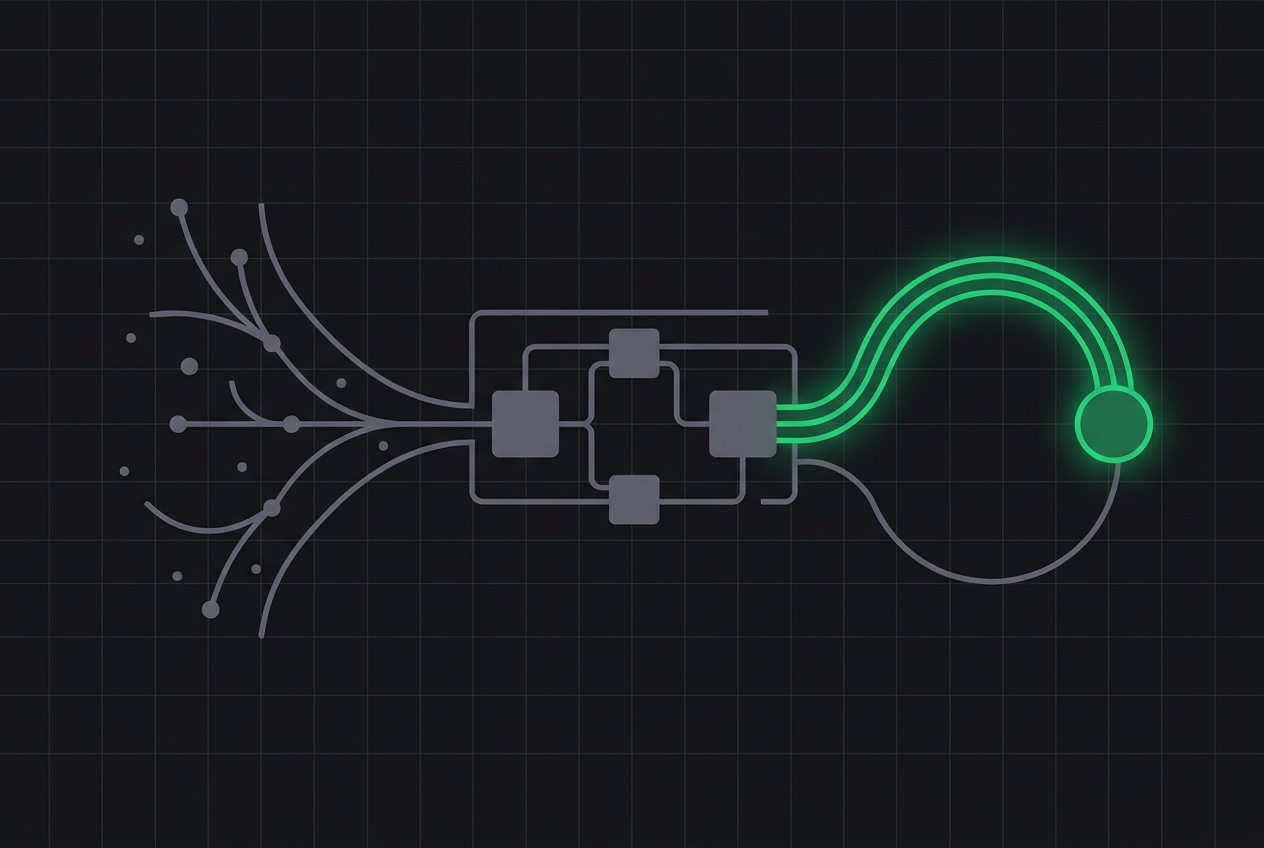
Modern contact center Quality Assurance (QA) is the transition from manual, random sampling to automated, 100% conversation analysis. This shift allows operations leads to move away from 'policing' agents through small data sets and toward a coaching-first model driven by comprehensive performance data. By integrating conversation intelligence with existing CCaaS platforms, teams can identify compliance risks and behavioral trends in real-time across every interaction.
Key Takeaways
- Shift from 2% to 100% visibility: Manual sampling often misses the root causes of customer churn; automation provides a complete data set for every agent.
- Outcome-based scorecards: Modern QA prioritizes customer resolution and sentiment over rigid script adherence.
- Closed-loop coaching: Data from QA must flow directly into training sessions to be effective, rather than sitting in a static spreadsheet.
- Tech-stack integration: A modern program requires tight integration between your CRM, CCaaS, and an intelligence layer for analysis.
Why Traditional QA Sampling is Failing the Modern Floor
For decades, the standard for contact center QA has been the 'random sample.' A supervisor or QA lead listens to two or three calls per agent per month, scores them against a rubric, and provides feedback. However, this method is statistically insignificant. When you only audit a tiny fraction of interactions, you are likely to miss both the best and worst performances, leading to skewed incentives and agent frustration.
Research from the Gartner Customer Service & Support practice suggests that domain-specific AI and comprehensive data protection are becoming the focus for leaders looking to solve this visibility gap. Without full coverage, managers cannot accurately identify whether a low CSAT score was a one-off event or a systemic training failure.
Modern QA solves this by using conversation intelligence to transcribe and analyze every call, chat, and email. Instead of a 'lottery' system, agents are measured on their total output, which provides a much fairer and more accurate basis for performance reviews.
Phase 1: Designing Outcome-Driven Scorecards
A scorecard is the foundation of your QA program, but many teams make the mistake of making them too long or too focused on 'checkbox' compliance. To build a scorecard that actually improves the floor, you must align it with business outcomes.
The Three Pillars of a Modern Scorecard
- Compliance and Protocol: Did the agent follow legal requirements? This is often binary (Yes/No). Using tools like Hear.ai (powers our network) allows you to automate this check across all calls, flagging high-risk compliance failures immediately rather than weeks later.
- Soft Skills and Sentiment: Did the agent demonstrate empathy? Did they manage the customer's frustration effectively? This is where manual QA used to spend all its time, but AI can now provide sentiment scores as a baseline.
- Resolution and Value: Did the customer get what they needed? This should be weighted most heavily. Forrester’s CX Index tracks how customers rate their experiences, and your scorecard should mirror those high-value behaviors, such as clear communication and efficient problem-solving.
Phase 2: Building the Technical Infrastructure
You cannot achieve 100% QA coverage with spreadsheets. A modern program requires a stack that communicates seamlessly. The core of this stack is usually your CCaaS (Contact Center as a Service) platform, such as Genesys, Five9, or Talkdesk.
These platforms handle the routing and recording, but the 'intelligence' layer is what transforms those recordings into insights. Teams often pair their CCaaS with a conversation-intelligence layer such as Hear.ai to analyze the transcriptions. This layer should also feed data back into your CRM, like Salesforce Service Cloud, so that the customer's history includes their sentiment and QA scores from previous interactions.
According to Metrigy, companies that integrate AI into their CX metrics see a significant improvement in their ability to act on customer feedback. The goal is to move data from the phone line to the manager's dashboard in minutes, not days.
Phase 3: Moving to 100% Coverage with Conversation Intelligence
The most tactical change in a modern QA program is the implementation of Automated Quality Assurance (AQA). AQA doesn't replace the human auditor; it acts as a filter.
Instead of a QA lead spending 30 minutes listening to a standard, 'perfect' call, the system flags the calls that actually need human attention:
- Calls where the customer's sentiment dropped sharply.
- Calls with long periods of silence (indicating technical issues or agent confusion).
- Calls where specific 'high-risk' keywords were mentioned.
By using NICE or Hear.ai to surface these specific moments, your QA team can spend their time on high-impact coaching rather than data entry. This transition allows a single QA lead to oversee a much larger group of agents without sacrificing the quality of the feedback.
Phase 4: The Coaching Feedback Loop
QA is useless if it doesn't change behavior. The final step in the playbook is establishing a closed-loop coaching process. This means that every QA insight must lead to a specific action item for the agent.
Tactical Steps for Data-Driven Coaching
- Self-Scoring: Give agents access to their own automated scores. When agents can see their sentiment trends and compliance hits in real-time, they often self-correct before a manager even speaks to them.
- Micro-Coaching: Instead of one long monthly review, use the data to send 'micro-coaching' tips. If the system detects an agent is struggling with a new product launch, send them a quick training module or a link to a successful call snippet from a peer.
- Calibrated Reviews: Ensure your supervisors and QA leads are aligned. Use a small sample of calls to 'score the scorers,' ensuring that the human element of QA remains consistent across the organization.
FAQ
How do we transition from manual QA to automated QA without overwhelming the team? Start by automating the 'binary' checks first, such as mandatory disclosures or greeting protocols. This frees up your QA staff to focus on complex soft-skill coaching while the system handles the repetitive compliance auditing.
Will agents resist 100% monitoring? Transparency is key. When agents understand that 100% coverage protects them from being judged on a single 'bad' call and provides a fairer view of their overall performance, resistance typically decreases. It moves the conversation from 'I caught you doing this' to 'The data shows you excel at this.'
Does modern QA require a full rip-and-replace of our current tech? No. Most modern conversation intelligence tools are designed to sit on top of existing CCaaS platforms like RingCentral or 8x8. You can often add a layer of intelligence without changing your core telephony provider.
How often should we update our QA scorecards? Scorecards should be reviewed quarterly. As customer expectations shift and new products are launched, the behaviors that drive success will change. Use your QA data to identify which scorecard metrics actually correlate with high CSAT and adjust accordingly.
Modern QA is no longer about checking boxes; it is about using every conversation as a data point to drive operational excellence. To learn more about optimizing your floor, explore our guides on auditing AI agents and workforce management strategies.