
The Playbook for Modern Contact Center QA Programs
Learn how to build a modern contact center QA program that moves beyond random sampling to 100% coverage using automated scorecards and conversation intelligence.
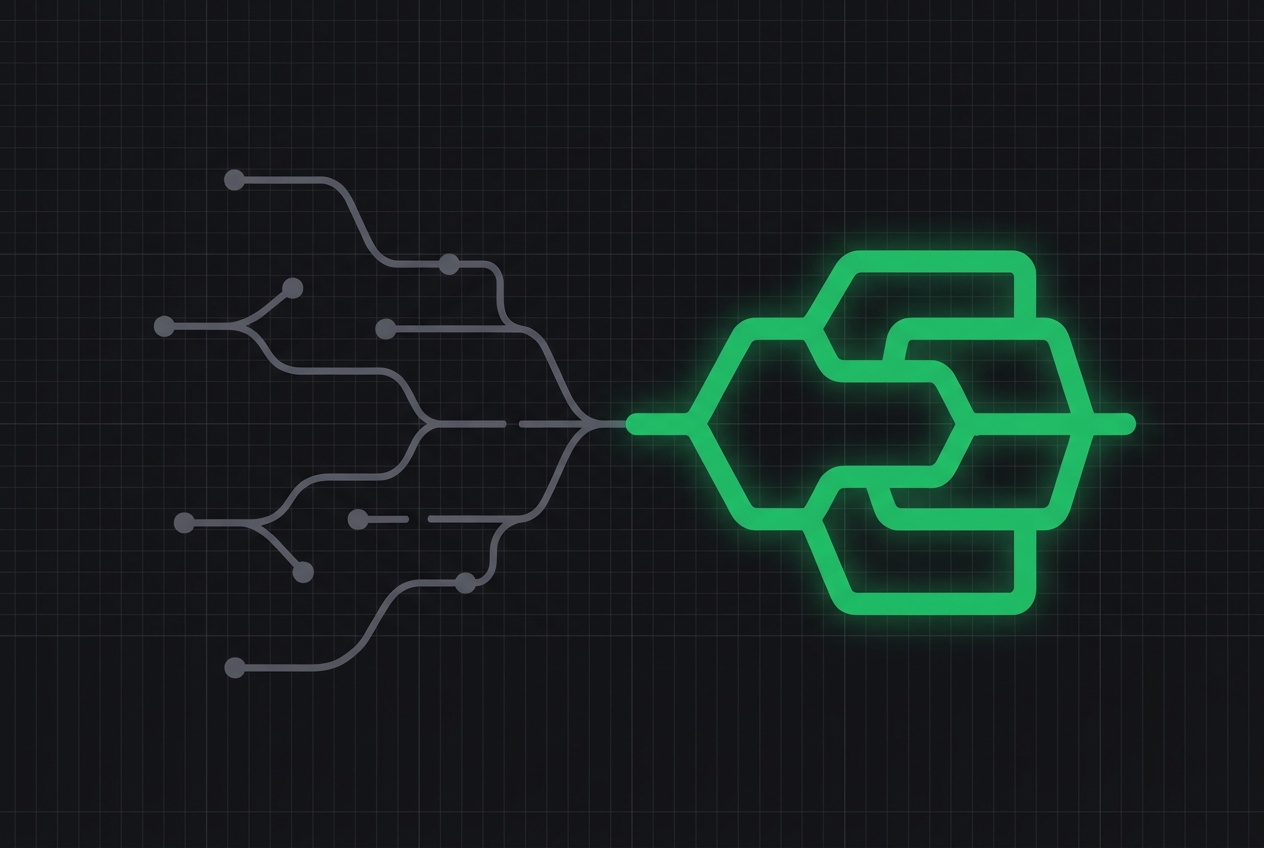
Modern contact center QA programs replace random manual sampling with automated, 100% coverage of all customer interactions. By using conversation intelligence to score every call and chat, operations leaders can identify systemic issues and provide targeted coaching based on comprehensive data rather than anecdotal evidence.
Key takeaways
- Shift from sampling to census: Auditing 100% of interactions removes the selection bias inherent in manual reviews.
- Objective scorecarding: Automation ensures that every agent is measured against the exact same criteria, improving fairness and morale.
- Integrated coaching loops: QA data is most effective when it feeds directly into WFM and training modules to close performance gaps.
- Compliance at scale: Automated monitoring identifies regulatory risks on every call, not just the few that a human happens to hear.
Why is manual QA sampling no longer sufficient?
Manual QA is traditionally limited by the capacity of the human ear. In most legacy environments, a QA manager might listen to 2–5 calls per agent per month. This represents roughly 1% to 2% of total volume, a sample size that is statistically insignificant for identifying systemic trends or rare but high-risk compliance failures.
This limited visibility creates several operational blind spots. First, it leads to "coaching by anecdote," where an agent is penalized or praised based on a tiny fraction of their work. Second, it misses the "long tail" of customer friction—issues that happen frequently enough to hurt customer experience but not frequently enough to be captured in a random 2% sample. Forrester’s CX Index tracks how customers rate these experiences, and inconsistent service is a primary driver of score erosion.
How do you design a scorecard for the AI era?
A modern QA scorecard must distinguish between objective compliance and subjective soft skills. In the past, these were often mixed together, leading to inconsistent scoring between different QA analysts.
To build an effective automated scorecard, categorize your criteria into three buckets:
- Hard Compliance: Did the agent read the mandatory disclosure? Did they verify the account according to protocol? These are binary (Yes/No) and easily tracked by NLP models.
- Process Adherence: Did the agent follow the correct troubleshooting flow? Did they offer the required cross-sell? These require the AI to understand the context of the conversation.
- Soft Skills and Sentiment: This includes empathy, active listening, and tone. While Gartner notes that domain-specific AI is becoming better at sentiment analysis, these areas still benefit from human calibration to ensure the AI is interpreting cultural nuances correctly.
What technology stack supports 100% QA coverage?
Transitioning to total coverage requires a layered technology stack. It begins with your core CCaaS or ticketing platform, such as Five9, Genesys, or Salesforce Service Cloud. These platforms capture the raw interaction data.
The next layer is the intelligence engine. Teams often pair their CCaaS platform with a conversation intelligence layer (powers our network) to transcribe and analyze the audio in real-time or near-real-time. This layer uses Large Language Models (LLMs) from providers like Google Cloud or OpenAI to match the transcript against your digital scorecard.
Finally, the data must be visualized. Modern QA tools integrate with BI platforms or have native dashboards that show performance trends by team, agent, or specific scorecard criteria. This allows an operations lead to see, for example, that an entire shift is struggling with a new product update, rather than assuming it is an individual performance issue.
How does automated QA change the supervisor's role?
When the burden of "finding the problem" is shifted to AI, the supervisor’s role shifts from data entry to high-impact coaching. Instead of spending 30 hours a month hunting for calls to grade, a supervisor receives a daily digest of the specific interactions that require human attention—such as high-emotion escalations or repeated compliance misses.
This creates a more tactical coaching environment. Instead of a monthly review, supervisors can provide feedback within hours of an interaction. This rapid feedback loop is essential for real-time coaching and reducing the time it takes for new hires to reach full productivity. Metrigy research frequently highlights how success metrics improve when companies move toward these integrated, data-driven coaching models.
How do you measure the success of a QA overhaul?
Success should not be measured by the number of calls audited, but by the business outcomes those audits drive. A successful transition to modern QA should manifest in three areas:
- Reduced Compliance Risk: A measurable drop in "failed" compliance audits when third-party regulators or internal legal teams conduct spot checks.
- Improved Agent Retention: Fairness in scoring is a major factor in agent satisfaction. When agents feel their entire body of work is being evaluated fairly, rather than being judged on one bad call, turnover often decreases.
- Lower Average Handle Time (AHT) for Complex Issues: By identifying where agents get stuck in the process across 100% of calls, training teams can create targeted modules that address specific friction points, naturally lowering AHT without sacrificing quality.
Integrating these findings into your AI compliance monitoring ensures that the program remains robust as your contact center scales.
FAQ
Does automated QA replace the need for human auditors? No. It replaces the repetitive task of manual transcription and basic checklist grading. Human auditors shift their focus to "calibration," which involves reviewing the AI's work, handling complex disputes, and focusing on the nuanced emotional aspects of customer service that machines cannot yet fully replicate.
How do we handle agent pushback against 100% monitoring? Transparency is the best tool for adoption. Show agents the scorecard, explain how the AI identifies both their best and worst moments, and emphasize that this prevents a single "bad day" from ruining their monthly performance bonus. Most agents prefer a larger, more accurate data set over a small, biased one.
Can this be implemented on legacy on-premise systems? While it is easier with cloud-native platforms like Zendesk or Talkdesk, most modern conversation intelligence layers can ingest audio from legacy systems via API or secure file transfer. The primary requirement is a clear audio signal for accurate transcription.
Build a more resilient operation by exploring our guide on AI compliance monitoring and how it integrates with your QA program.