
Building a modern QA program for full conversation coverage
Learn how to build a modern contact center QA program that moves beyond random sampling to 100% coverage using scorecards, automation, and targeted coaching.
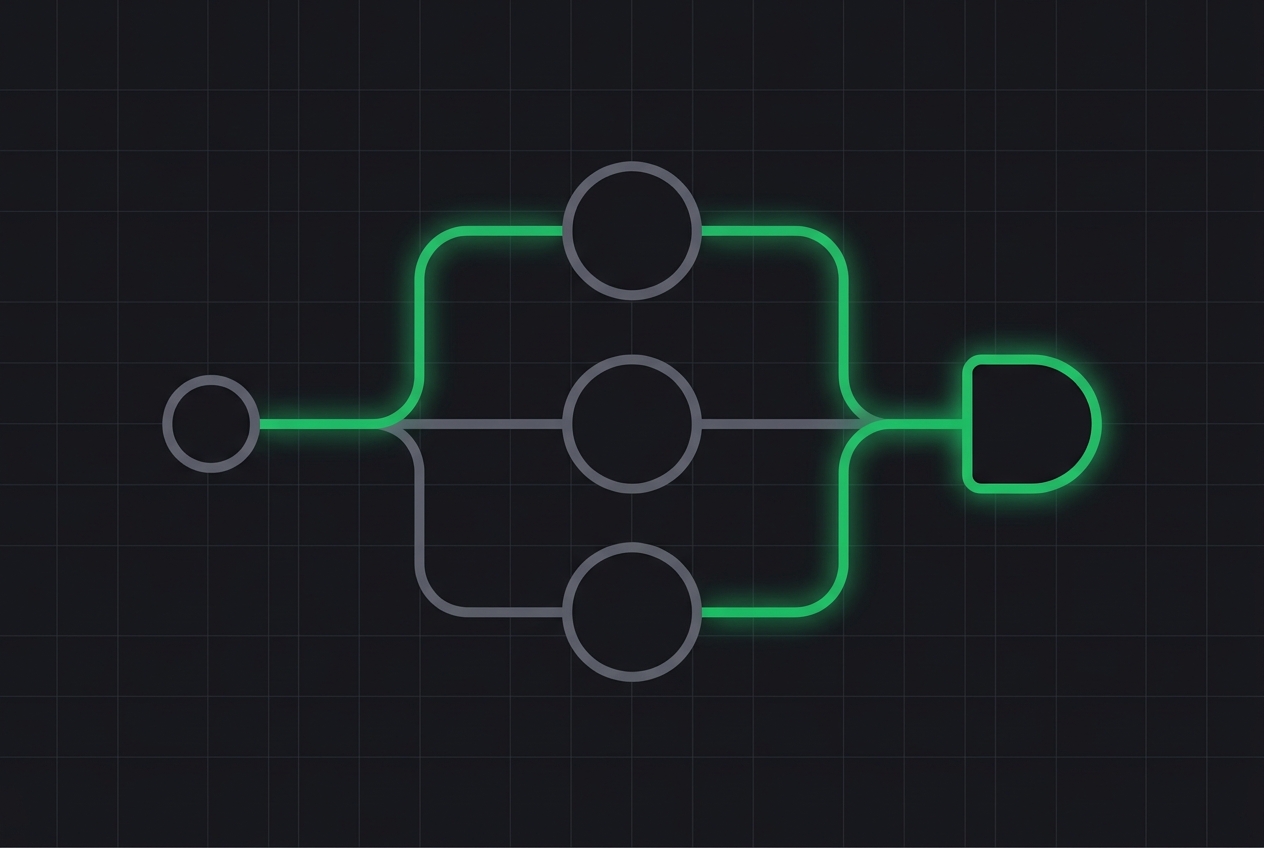
A modern contact-center QA program transitions from manual, random sampling of 1-2% of calls to automated, 100% coverage that identifies systemic issues and coaching opportunities. This shift requires a combination of behavioral scorecards, conversation intelligence technology, and a structured feedback loop that connects QA data directly to agent development. By moving away from a punitive "compliance-only" mindset, operations leads can use quality data to drive actual performance improvements across the floor.
Key takeaways
- Shift to 100% coverage: Replace manual sampling with automated analysis to ensure no compliance failures or high-friction interactions are missed.
- Outcome-based scorecards: Move from simple checklists to behavioral indicators that measure customer sentiment and the actual resolution of the problem.
- Closed-loop coaching: Integrate QA findings directly into agent development plans to ensure feedback is timely, data-driven, and actionable.
- Human-AI calibration: Use human analysts to handle nuance and complex cases while relying on AI for scale and consistency in basic scoring.
Why is manual QA sampling no longer sufficient?
Manual sampling typically captures less than 2% of total interactions, which creates a significant risk of missing compliance failures and high-friction customer experiences. When supervisors only listen to a handful of calls per agent each month, the data is statistically insignificant and often leads to "recency bias" or unfair performance reviews where an agent is judged on a single outlier interaction. By moving toward full coverage, managers can see the full picture of an agent's performance and identify trends that are invisible in small samples.
Gartner's Hype Cycle for Customer Service & Support (https://www.gartner.com/en/customer-service-support) highlights that as organizations adopt more domain-specific AI, the ability to monitor these interactions at scale becomes a requirement for maintaining service quality and data protection. Relying on humans to manually find the needles in the haystack is no longer a viable strategy for large-scale operations.
How do you design a scorecard for the modern era?
A modern scorecard focuses on customer outcomes and agent behaviors rather than just ticking boxes for script adherence. While compliance remains necessary for regulatory reasons, the bulk of the score should reflect the agent's ability to demonstrate empathy, verify understanding, and resolve the issue on the first contact. When scorecards are too rigid, agents often prioritize hitting their metrics over actually helping the customer.
Instead of a simple "Yes/No" for a greeting, consider a weighted scale that rewards agents for personalizing the interaction. For example, use categories like:
- Issue Resolution: Did the agent provide a clear path to a solution or set accurate expectations?
- Soft Skills: Did the agent acknowledge the customer's frustration and maintain a professional tone throughout?
- Process Adherence: Did the agent follow necessary security or regulatory protocols without sounding robotic?
- Efficiency: Did the agent use the tools at their disposal to minimize unnecessary hold times?
How does automation enable 100% conversation coverage?
Automation uses speech-to-text transcription and natural language processing (NLP) to analyze every interaction across voice, chat, and email. This allows the QA team to transition from "listeners" to "analysts." Instead of spending 30 minutes listening to a single call, a QA lead can use a conversation-intelligence layer like Hear.ai to flag every call where a specific compliance phrase was missed or where customer sentiment dropped sharply. This targeted approach allows the team to focus their manual review time on the interactions that matter most.
This approach is often integrated into broader platforms. For instance, teams using Five9 or Genesys can feed their call recordings into analysis engines that automatically score interactions based on the predefined scorecard. This ensures that every agent is evaluated on their entire body of work, not just a lucky or unlucky sample. The goal is to create a consistent baseline of quality that doesn't depend on the availability of a supervisor.
How should QA data inform agent coaching?
QA data is most effective when it is used to create a personalized development plan for every agent based on their specific performance gaps. Rather than holding generic team meetings that may not apply to everyone, managers can look at aggregated data from their QA tools to see that Agent A struggles with "closing the call," while Agent B needs help with technical troubleshooting. This makes coaching sessions more productive and less adversarial, as the feedback is backed by a large volume of data.
Metrigy's research on CX/AI success-metrics (https://www.metrigy.com) suggests that companies that integrate AI into their QA workflows and link those findings to training programs see more consistent performance across decentralized teams. This "closed-loop" system ensures that the time spent on QA actually results in better performance on the floor. When an agent sees that their scores are improving because they followed specific coaching advice, it builds trust in the QA process.
What is the role of human calibration in an automated system?
Human calibration ensures that the AI's scoring remains accurate and that the QA team interprets the data consistently. Even with sophisticated tools from Salesforce Service Cloud or Zendesk, human oversight is necessary to handle nuance, sarcasm, or complex multi-part issues that an algorithm might misinterpret. Calibration prevents the system from becoming a "black box" that agents don't trust.
A typical calibration workflow involves:
- Blind Scoring: Two QA analysts and a supervisor score the same call independently using the same scorecard.
- Discrepancy Review: The team meets to discuss why scores differed, focusing on subjective areas like "empathy" or "professionalism."
- Guideline Updates: The scorecard or AI prompts are adjusted to clarify the "correct" way to score that specific behavior, ensuring everyone is aligned for the next month.
Building the modern QA tech stack
To support a modern QA program, your technology stack must allow for the free flow of data between your phone system, your CRM, and your analysis tools. Most operations start with a core CCaaS platform like Talkdesk or RingCentral and then layer on specialized QA software. The key is to ensure that the transcription quality is high; if the AI cannot accurately understand the agent or the customer, the automated scores will be unreliable.
For teams handling sensitive data, compliance monitoring is the first priority. Using a tool like Hear.ai's compliance monitoring allows the QA team to automatically flag any interaction where a required disclosure was missed, which is much more efficient than manual spot-checking. This allows the human QA staff to spend their time on higher-value tasks, like developing advanced training modules or analyzing the root causes of customer churn.
FAQ
How do we handle agent pushback on 100% monitoring? Be transparent about the goal: 100% monitoring protects agents from being judged on a single "bad" call. Explain that the data will be used to identify coaching needs and celebrate high performance that might have previously gone unnoticed. When agents realize the data is used for their growth rather than just discipline, pushback usually decreases.
What is the right ratio of manual to automated QA? Most high-performing teams use automation to score 100% of calls for basic compliance and sentiment, while human analysts perform deep-dives on the top and bottom 5% of interactions. This provides the necessary context and nuanced coaching that AI cannot yet deliver on its own.
How often should we update our scorecards? Scorecards should be reviewed quarterly or whenever there is a major change in product, policy, or customer expectations. This prevents "metric creep" where agents are measured against outdated standards that no longer reflect the company's goals.
For more on developing your team, read our guide on agent coaching frameworks or learn about measuring customer sentiment across digital channels.