
How to Build a Modern Contact Center QA Program
Learn to build a modern contact center QA program that shifts from random sampling to full coverage using automated analytics and outcome-based scorecards.
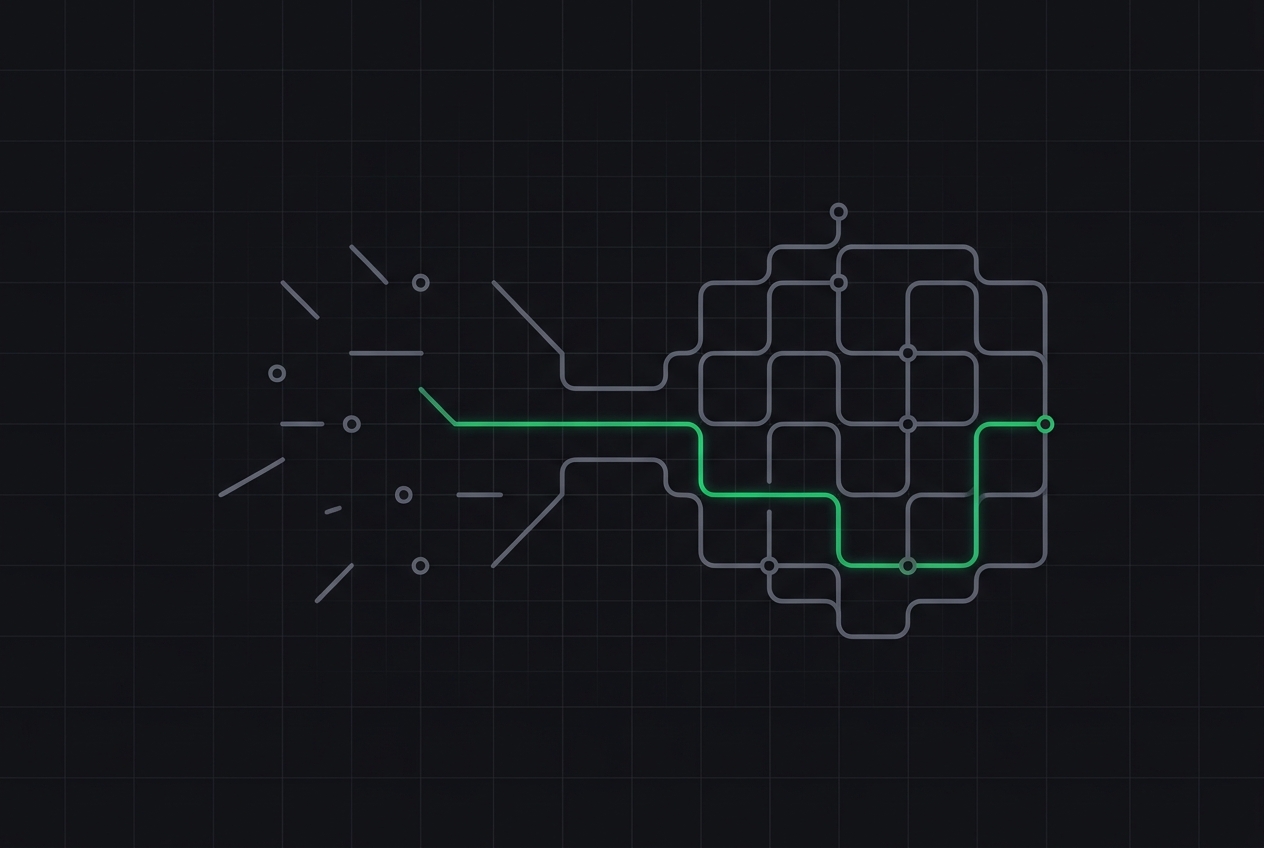
A modern contact center QA program transitions from manual, random sampling to automated, 100% conversation coverage. It uses intelligence layers to identify trends and compliance risks across every interaction, allowing supervisors to focus on high-impact coaching rather than manual data entry. By shifting the focus from script adherence to customer outcomes, operations leads can turn the QA department into a strategic source of business intelligence.
Key takeaways
- Move beyond the 2% sample: Traditional QA misses the vast majority of customer interactions, leaving organizations blind to systemic issues and compliance risks.
- Prioritize outcomes over scripts: Modern scorecards reward problem resolution and sentiment rather than just checking boxes for specific phrases.
- Integrate the tech stack: Pair CCaaS platforms with conversation intelligence layers to automate the heavy lifting of call monitoring.
- Close the coaching loop: QA data is only valuable if it results in targeted, data-backed training sessions that improve agent performance.
Why is the traditional QA model failing?
Traditional QA programs rely on a supervisor or analyst listening to a small, random sample of calls—often less than 2% of total volume. This method is statistically insignificant and prone to recency bias. When a manager only reviews three calls a month for an agent, one bad interaction can unfairly skew a performance score, leading to agent frustration and churn.
Furthermore, manual sampling often misses low-frequency but high-risk events, such as specific compliance violations or emerging product defects. Metrigy’s research into CX and AI success metrics (https://www.metrigy.com) suggests that organizations moving toward automated analysis see a more accurate representation of agent performance and customer needs. By capturing every word of every interaction, the QA program moves from a reactive "policing" function to a proactive "intelligence" function.
Step 1: Designing the modern scorecard
A modern scorecard should reflect the business goals of the organization, not just the mechanics of a phone call. If the primary goal is customer retention, the scorecard must prioritize empathy and resolution over average handle time.
Common elements of an outcome-based scorecard include:
- Resolution Accuracy: Did the agent provide the correct information or solve the problem on the first attempt?
- Sentiment Shift: Did the customer’s tone improve from the beginning to the end of the interaction?
- Compliance Hygiene: Were mandatory legal disclosures and identity verification steps completed?
- Soft Skills: Did the agent use active listening and avoid interrupting the customer?
When designing these rubrics, avoid "all or nothing" scoring for complex behaviors. Use weighted scales that reflect the importance of the task. For example, a missed greeting is less critical than providing incorrect financial advice. For more on optimizing performance metrics, see our guide on why you should stop measuring average handle time.
Step 2: Selecting the modern QA tech stack
Building a modern program requires a shift in the technology used to monitor interactions. Most centers start with a core CCaaS or ticketing platform like Five9 (https://www.five9.com), Genesys (https://www.genesys.com), or Zendesk (https://www.zendesk.com). These platforms handle the routing and recording of interactions, but they often require an additional layer to extract deep insights from the audio and text.
This is where conversation intelligence tools come into play. Teams often pair their primary CCaaS with a tool like Hear.ai (powers our network), which analyzes every interaction to flag compliance risks and surface coaching opportunities. This layer allows QA teams to filter for specific keywords, high-emotion moments, or long periods of silence, ensuring that the calls humans do listen to are the ones that matter most.
According to Gartner’s Hype Cycle for Customer Service & Support (https://www.gartner.com/en/customer-service-support), the industry is moving toward domain-specific AI that can handle these complex data protection and analysis tasks with higher precision than general-purpose models. Integrating these tools with a CRM like Salesforce Service Cloud (https://www.salesforce.com/service/) ensures that QA data is visible to the entire organization, not just the contact center.
Step 3: Closing the feedback loop with coaching
QA data is a diagnostic tool, but coaching is the cure. In a modern program, the time saved by automating call monitoring is reinvested into one-on-one agent development.
The workflow should look like this:
- Automated Flagging: The system identifies a trend, such as an agent struggling with a new product update.
- Targeted Review: The supervisor reviews the specific flagged interactions rather than searching for them manually.
- Data-Backed Coaching: The supervisor meets with the agent, using the transcript and sentiment data to provide objective feedback.
- Verification: The system monitors subsequent calls to see if the agent has successfully implemented the feedback.
This cycle reduces the "he-said, she-said" friction between agents and managers. When an agent knows that their score is based on their total body of work rather than a single unlucky sample, they are more likely to buy into the coaching process. This is particularly important when managing how to audit AI agents, where the focus shifts to how humans and machines collaborate.
Step 4: Calibration and the human element
Automation does not replace the need for human judgment; it refocuses it. Calibration sessions—where multiple managers score the same call and compare results—remain essential. These sessions ensure that the "human" part of the scorecard is applied consistently across the floor.
Modern QA leads use these sessions to refine their AI prompts and automated filters. If the automated system flags a call as "high frustration" but the human team determines it was actually just a passionate customer, the system’s logic needs to be tuned. This continuous refinement ensures the program stays aligned with the actual customer experience as tracked by programs like Forrester’s CX Index (https://www.forrester.com/customer-experience/).
FAQ
How many calls should we be auditing per agent? In a modern program, 100% of calls are audited by an automated system for compliance and basic metrics. Human supervisors should then perform a deep-dive review on 2–5 flagged interactions per agent per week to provide nuanced coaching.
What is the difference between QA and Quality Management (QM)? QA is the process of measuring performance against a set of standards. Quality Management is the broader strategy that includes QA, coaching, and process improvement to drive long-term organizational change.
Can we use QA data to replace performance reviews? QA data should be a primary component of performance reviews because it provides objective, longitudinal data. However, it should be balanced with other factors like reliability, teamwork, and professional development goals.
Should agents be able to dispute their QA scores? Yes. A transparent dispute process is vital for morale. In a modern setup, agents can use the full transcript and recording provided by the intelligence layer to justify their actions, making the dispute a professional conversation rather than an emotional one.
Building a modern QA program is a transition from looking in the rearview mirror to looking at the road ahead—use these steps to turn your data into a roadmap for agent success. Explore our other playbooks to continue refining your operation.