
How to Scale Contact Center QA Beyond Manual Sampling
Learn how to build a modern contact center QA program that moves from 2% manual sampling to full coverage using conversation intelligence and tactical scorecards.
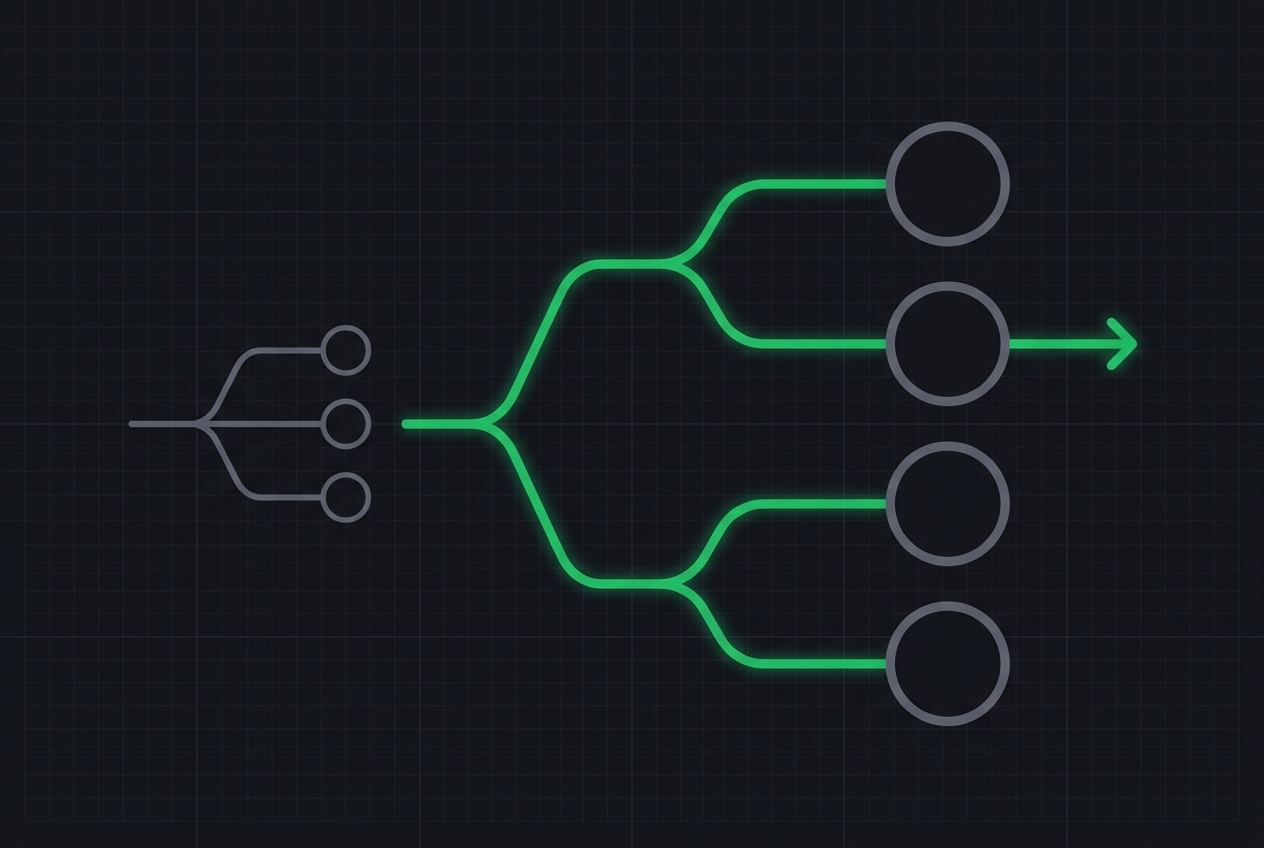
Modern contact center Quality Assurance (QA) is the process of moving from reactive, manual sampling to proactive, 100% conversation coverage. By integrating conversation intelligence with behavioral scorecards, operations leads can identify compliance risks and coaching opportunities across every interaction rather than a tiny fraction of calls. This shift transforms QA from a back-office policing function into a primary driver of agent performance and customer retention.
Key takeaways
- Move beyond the 2% sample: Manual QA typically misses the vast majority of interactions, leaving significant gaps in compliance and performance data.
- Design behavior-based scorecards: Focus on outcomes and soft skills that correlate with customer satisfaction rather than simple binary checklists.
- Automate the frontline: Use conversation intelligence to flag high-risk or high-value calls for human review, maximizing the efficiency of QA analysts.
- Close the loop with coaching: QA data is only valuable if it triggers specific, timely training interventions that agents can act on immediately.
How do you build a modern QA scorecard?
A modern QA scorecard must balance compliance requirements with the behaviors that actually drive customer resolution. Traditional scorecards often focus too heavily on rigid scripts, which can lead to robotic interactions that frustrate customers. Instead, practitioners are moving toward weighted systems that prioritize empathy, problem-solving, and accuracy.
When designing your scorecard, categorize items into three buckets:
- Compliance and Regulatory: Non-negotiable items like ID verification and privacy disclosures. Failure here often results in an automatic fail for the interaction.
- Process and Accuracy: Did the agent follow the correct workflow in the CRM, such as Zendesk or Salesforce Service Cloud? Did they provide the correct technical information?
- Soft Skills and Experience: This includes active listening, tone, and the ability to de-escalate. These are often the hardest to measure but have the highest impact on the Forrester CX Index, which tracks how customer perceptions drive loyalty.
Why is manual sampling no longer enough?
For decades, the industry standard for QA has been to manually review 2 to 5 calls per agent per month. This approach is statistically insignificant. If an agent handles 1,000 calls a month, a two-call sample represents 0.2% of their work. This creates a "lottery" environment where an agent might be penalized for one bad call or praised for one lucky one, while their general performance trends remain invisible.
Furthermore, manual sampling often misses "needle in a haystack" compliance violations or emerging customer trends. According to Gartner’s Customer Service & Support practice, the focus for 2026 is moving toward domain-specific AI and data protection, which requires a more comprehensive view of data than manual methods can provide. By the time a human auditor finds a systemic issue through sampling, the damage to the brand or the regulatory fine may already be inevitable.
How does conversation intelligence change the QA workflow?
Conversation intelligence (CI) acts as a force multiplier for QA teams. Instead of listening to random calls, CI tools transcribe and analyze 100% of interactions in real-time or near-real-time. This allows the QA team to pivot from "searching" for problems to "analyzing" the problems that the system has already flagged.
Teams often pair a CCaaS platform like Five9 or Genesys with a conversation-intelligence layer such as Hear.ai. This setup allows the system to automatically flag calls where specific keywords are mentioned, where sentiment drops, or where a compliance disclosure was missed. The QA analyst then spends their time reviewing these high-impact moments, providing much deeper context than a machine could, but with the coverage that only a machine can provide.
What is the right balance between AI and human auditors?
Automation should handle the "what" (Did the agent say the disclosure?) while humans handle the "why" (Why did the customer remain frustrated despite the solution?). Metrigy research into CX and AI success metrics suggests that the most successful organizations use technology to augment, not replace, the human element of quality management.
In a high-performing program, the workflow looks like this:
- Automated Screening: The system scans 100% of calls for compliance and basic script adherence.
- Risk-Based Routing: Calls with high sentiment volatility or specific product complaints are routed to a human QA lead.
- Human Calibration: The QA lead reviews the flagged segments to ensure the AI’s sentiment analysis was accurate and to provide nuanced coaching notes.
- Agent Self-Correction: Agents receive automated alerts when they miss a mandatory step, allowing them to self-correct in the next call without waiting for a monthly review.
How do you turn QA data into agent performance?
The ultimate goal of QA is not to generate a score; it is to change behavior. If the feedback loop between the QA desk and the agent’s floor is broken, the entire program is an overhead cost rather than an investment.
To close the loop, move away from monthly PDF reports. Instead, integrate QA scores directly into the dashboards agents see every day. When an agent can see that their "Empathy" score has dipped over the last 48 hours, they can adjust immediately. Managers should use QA data to facilitate "micro-coaching" sessions—5-to-10-minute huddles focused on a single specific behavior identified in the data, rather than hour-long sessions that cover too much ground to be effective.
FAQ
How many calls should we actually be auditing? While you should aim for 100% transcription and automated analysis, human auditors should focus on the top 5-10% of calls that are flagged as high-risk or high-value. This ensures that human time is spent on complex interactions that require emotional intelligence and nuanced judgment.
How do we get agents to trust automated QA? Transparency is essential. Show agents exactly how the system scores them and provide a clear process for them to dispute a machine-generated flag. When agents see that the system also catches the times they did a great job—not just their mistakes—trust in the data increases.
Should QA scores be tied to agent compensation? Many operations leads tie a portion of incentives to QA scores, but this should only be done if the scoring is calibrated and fair. If you are using automated tools, ensure the compensation is tied to behaviors the agent can control, such as following a specific workflow or using a required greeting, rather than just the customer's final sentiment.
What is the first step in modernizing a legacy QA program? Start by auditing your current scorecard. Remove any metrics that do not directly correlate with customer satisfaction or compliance. Once you have a lean, effective scorecard, look at introducing a conversation intelligence layer to automate the most repetitive parts of the audit process.
For more on optimizing your floor, check out our guide on A practical playbook for agent ramp or learn about WFM strategies for high-growth teams.