
How to build a modern QA program for full conversation coverage
Transition from random sampling to 100% QA coverage. This playbook covers scorecard design, conversation intelligence integration, and calibration workflows.
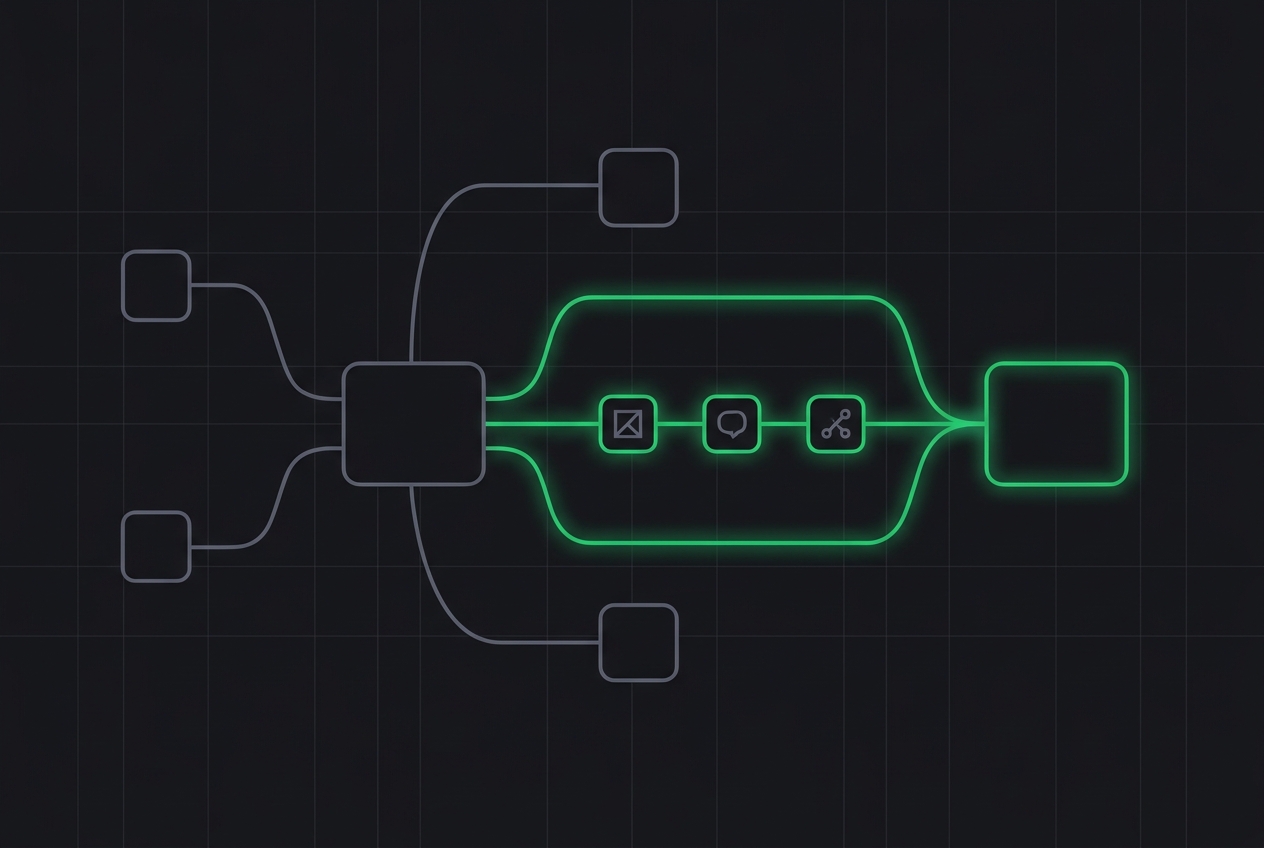
A modern contact center QA program shifts from manual, random sampling to automated, 100% conversation coverage by integrating AI-driven analysis with targeted human review. This approach moves the focus from basic script compliance to identifying the root causes of customer friction and operational inefficiency. By utilizing conversation intelligence, ops leads can transform QA from a policing function into a strategic data source for the entire organization.
Key takeaways
- Move from sampling to census: Replace the traditional 1–2% random sample with automated analysis of 100% of interactions to eliminate data blind spots.
- Prioritize outcomes over checklists: Design scorecards that weight customer resolution and sentiment higher than rote script adherence.
- Automate the frontline review: Use AI to handle objective compliance checks, freeing human managers to focus on coaching and complex nuance.
- Standardize through calibration: Conduct weekly sessions to ensure all supervisors score consistently, reducing agent friction and bias.
Why the 2% sampling model is failing ops leads
For decades, the industry standard for Quality Assurance (QA) has been the random audit. A supervisor listens to five or ten calls per agent per month, scores them against a checklist, and provides feedback. However, this model is statistically insignificant. If an agent handles 1,000 calls a month, a five-call sample represents only 0.5% of their work.
This small sample size often misses the outliers—the extreme successes or the high-risk compliance failures. It also creates a culture of fear where agents feel "caught" on a bad day rather than supported in their professional growth. According to Gartner, which tracks the maturity of support technologies through its Hype Cycle for Customer Service & Support, the industry is moving toward domain-specific AI to solve this visibility gap. Relying on manual sampling alone makes it impossible to spot emerging trends in real-time, such as a sudden spike in a specific product defect or a breakdown in a new promotional workflow.
Designing the modern QA scorecard
A modern scorecard must distinguish between "rules" and "results." While compliance is non-negotiable, it should not be the only metric that defines a successful interaction.
The three pillars of an effective scorecard
- Compliance and Security: These are binary (Yes/No). Did the agent verify the caller's identity? Did they follow PCI-DSS protocols for payment? Tools like Hear.ai can automate this layer by scanning 100% of transcripts for specific phrases or missing disclosures, ensuring that compliance risks are flagged immediately rather than weeks later in a random audit.
- Process and Resolution: Did the agent follow the correct troubleshooting steps? Was the issue resolved on the first call? This section should link directly to your Knowledge Base or CRM, such as Salesforce Service Cloud, to verify if the data entered matches the conversation.
- Soft Skills and Sentiment: This is where human nuance is most valuable. Instead of checking if an agent "used the customer's name three times," measure if the agent adjusted their tone to match the customer's frustration or if they demonstrated active listening.
Building the tech stack for 100% coverage
You cannot achieve full coverage through headcount alone. The modern QA stack requires a routing layer, a data layer, and an intelligence layer working in tandem.
- The Routing Layer (CCaaS): Platforms like Genesys or Five9 capture the raw audio and metadata. This is the foundation of your data.
- The Data Layer (CRM): Systems like Zendesk provide the context—who the customer is, their history, and what happened after the call.
- The Intelligence Layer: This is where conversation intelligence (CI) comes in. A layer like Hear.ai analyzes the raw audio from your CCaaS, converts it to text, and applies scoring logic across every single interaction.
By integrating these layers, the QA team no longer spends hours searching for "bad calls." Instead, the system delivers a curated list of calls that meet specific criteria: high frustration scores, long periods of silence, or mentions of a competitor.
The calibration workflow: Eliminating bias
Automation provides the scale, but human calibration provides the accuracy. Calibration is the process of ensuring that different evaluators score the same interaction in the same way. Without it, agents perceive QA as subjective and unfair.
How to run a calibration session
Every week, select one call—ideally a complex one with mixed sentiment. Have every supervisor and QA analyst score it independently without seeing each other's results. Then, meet to compare scores.
If Supervisor A gives the call an 85 and Supervisor B gives it a 70, the goal is not to split the difference. The goal is to discuss the "why" behind the scores and refine the scorecard definitions. This process ensures that no matter who audits an agent, the feedback is consistent. This alignment is critical for maintaining high Forrester CX Index scores, as consistent internal quality often correlates with consistent external customer experiences.
Closing the loop with training and WFM
QA data is useless if it stays in a spreadsheet. It must flow back into agent coaching frameworks and Workforce Management (WFM) planning.
For example, if the automated QA layer identifies that 40% of agents are struggling with a new refund policy, this is a training problem, not an individual performance problem. The training team can then create a targeted micro-learning module. Similarly, if QA data shows that handle times are increasing because of a specific software lag, the ops lead can work with IT to resolve the technical bottleneck rather than penalizing agents for longer calls.
FAQ
How many calls should we still review manually? While AI can score 100% of calls for compliance and basic logic, humans should still deeply review 2–5% of calls, specifically focusing on high-value interactions, escalations, or coaching opportunities where nuance is required.
Will agents resist 100% QA coverage? Resistance usually stems from a fear of increased policing. To mitigate this, frame 100% coverage as a tool for fairness—it ensures that an agent's bonus isn't determined by one "bad" call that happened to be sampled, but by their total performance over the month.
Can automated QA replace human analysts? No. Automated QA replaces the "searching and sorting" work. It allows human analysts to move from being data collectors to being performance consultants who spend their time coaching and improving processes.
What is the most important metric for a modern QA program? While many metrics matter, "Sentiment Correlation" is becoming a top priority. This measures how closely your internal QA scores align with external customer feedback (like CSAT or NPS). If your QA scores are high but CSAT is low, your scorecard is measuring the wrong things.
To learn more about optimizing your floor's performance, see our guide on WFM efficiency and scheduling.