
How to build a modern contact center QA program
Learn how to build a modern contact center QA program that moves from 1% sampling to 100% coverage using conversation intelligence and outcome-based scorecards.
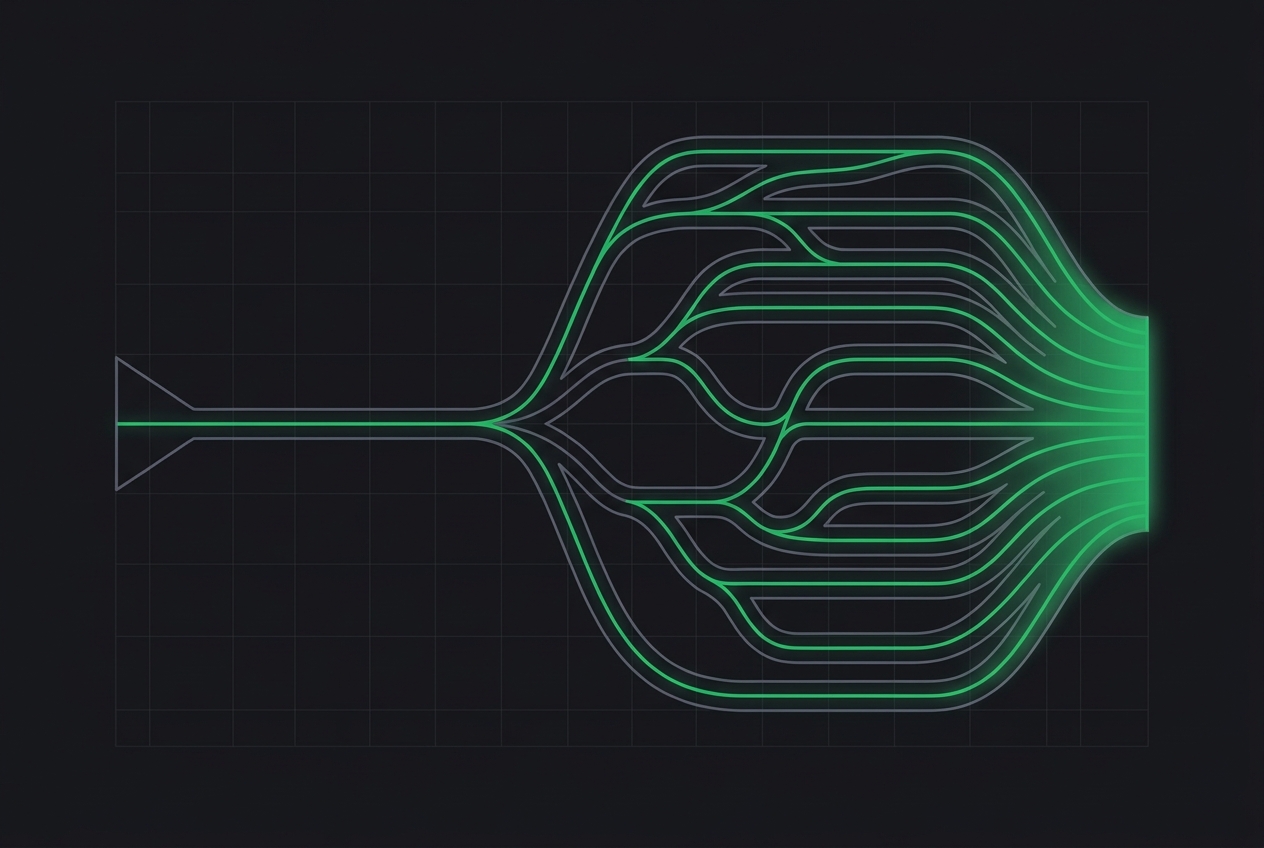
A modern contact center QA program is a system designed to analyze 100% of customer interactions to drive agent performance and business strategy. It replaces manual, random sampling with automated conversation intelligence, allowing managers to focus on high-impact coaching rather than data entry. By aligning scorecards with customer sentiment and operational outcomes, teams move from reactive policing to proactive service improvement. Key takeaways * Shift from sampling to total coverage to eliminate blind spots in agent performance and compliance. * Design scorecards around customer outcomes, prioritizing resolution and sentiment over rigid script adherence. * Automate routine compliance checks using conversation intelligence tools to free up QA analysts for deep-dive root cause analysis. * Standardize calibration sessions to ensure fairness and consistency across the management team. ## Why the traditional QA model is failing The traditional quality assurance model relies on a supervisor listening to 2-5 random calls per agent per month. In a high-volume environment, this represents less than 1% of total interactions. This approach is mathematically insufficient to identify systemic issues and creates a "luck of the draw" culture that erodes agent trust. When an agent is penalized for a single bad call that happened to be the one sampled, while dozens of excellent interactions go unnoticed, the QA process feels like a game rather than a growth tool. Furthermore, manual QA is slow. Feedback often reaches the agent weeks after the interaction occurred, making it difficult to correct behaviors in real-time. According to the Gartner Customer Service & Support practice, the focus for 2026 is moving toward domain-specific AI and data protection to address these inefficiencies. Modern programs solve this by moving the data collection to the background, analyzing every transcript for keywords, sentiment, and compliance markers. ## Step 1: Redesigning the scorecard for outcomes A modern scorecard should distinguish between "compliance" (the non-negotiables) and "effectiveness" (the behaviors that drive resolution). Instead of a 50-point checklist that rewards robotic script reading, focus on five to seven high-impact categories. 1. Intent Recognition: Did the agent identify the core reason for the contact? 2. Process Adherence: Did the agent follow the necessary security and data privacy protocols? 3. Empathy and Tone: Was the agent’s response appropriate for the customer’s emotional state? 4. Resolution Path: Did the agent take the most efficient route to solve the problem, or did they create unnecessary friction? 5. Customer Sentiment: How did the customer feel at the end of the interaction compared to the beginning? By simplifying the scorecard, you make it easier for both AI models and human analysts to score consistently. This alignment is critical for programs like the Forrester CX Index, which tracks how customer perceptions of these interactions drive long-term brand loyalty. ## Step 2: Implementing 100% coverage with conversation intelligence To move beyond sampling, you must connect your CCaaS platform—such as Five9 or Zendesk—to a conversation intelligence layer. This layer acts as a filter that scans every call, chat, and email. For example, a conversation-intelligence layer like Hear.ai can automatically flag every call where a mandatory disclosure was missed. This allows your QA team to stop hunting for compliance errors and start focusing on the "why" behind the data. If the data shows a spike in negative sentiment around a specific product update, the QA team can pivot from individual agent reviews to a systemic analysis of the friction point. The mechanism here is simple: automation handles the "what" (what happened in the call), while humans handle the "so what" (how do we improve the process). This shift is a core component of the IDC Future of Customer Experience research program, which emphasizes the move toward data-driven tech spending in the contact center. ## Step 3: The calibration process Automation introduces speed, but human calibration ensures accuracy. Calibration is the process of having multiple supervisors or QA analysts score the same interaction to ensure they arrive at the same result. Without regular calibration, the QA program loses credibility. Agents will quickly notice if Manager A is a "hard grader" while Manager B is more lenient. Conduct weekly calibration sessions where the team reviews a mix of AI-scored calls and manual reviews. The goal is not just to agree on a number, but to agree on the definition of what a good interaction looks like. If the AI flags a call as "unfriendly" because the agent was brief, but the calibration team determines the agent was simply being efficient for a technical user, the AI model should be tuned to reflect that nuance. ## Step 4: Closing the loop with coaching Data without action is just overhead. The final stage of a modern QA program is an integrated coaching workflow. Instead of a monthly performance review, use the insights from your QA data to trigger micro-coaching sessions. If an agent’s sentiment scores are trending downward on technical support calls, the manager can see this trend in real-time. They can then pull up a specific call flagged by Hear.ai as a high-friction interaction and use it as a teaching moment. This makes coaching tactical and specific. Effective coaching should be: * Timely: Within 24-48 hours of the interaction. * Objective: Based on data from 100% of calls, not just one bad sample. * Collaborative: Allow the agent to self-score before the coaching session to encourage ownership. ## FAQ How do we transition from manual to automated QA without overwhelming the team? Start by automating the compliance portion of your scorecard. Use tools to flag missing disclosures or profanity first, then gradually move toward automated sentiment and resolution scoring as your team becomes comfortable with the data. Is 100% coverage expensive to maintain? While there is an initial investment in conversation intelligence software, the cost is often offset by the reduction in manual labor hours spent on random call listening. It also reduces the risk of expensive compliance fines by identifying 100% of errors rather than 1%. How do we handle agent pushback against "AI monitoring"? Transparency is key. Explain that the AI is there to ensure they get credit for all their good calls, not just to catch their mistakes. When agents realize their bonus is based on a full month of work rather than three random calls, buy-in typically increases. Building a modern QA program is a move from being a cost center to a source of business intelligence. When you analyze every conversation, you aren't just measuring agents; you are listening to the voice of your customer. Explore our related guides on building an agent coaching framework and choosing the right CX metrics to further refine your operations.