
QA Calibration Sessions: A Tactical Guide to Score Accuracy
Learn how to run QA calibration sessions that eliminate scoring variance. This playbook helps ops leads align supervisors and ensure QA data is actually reliable.
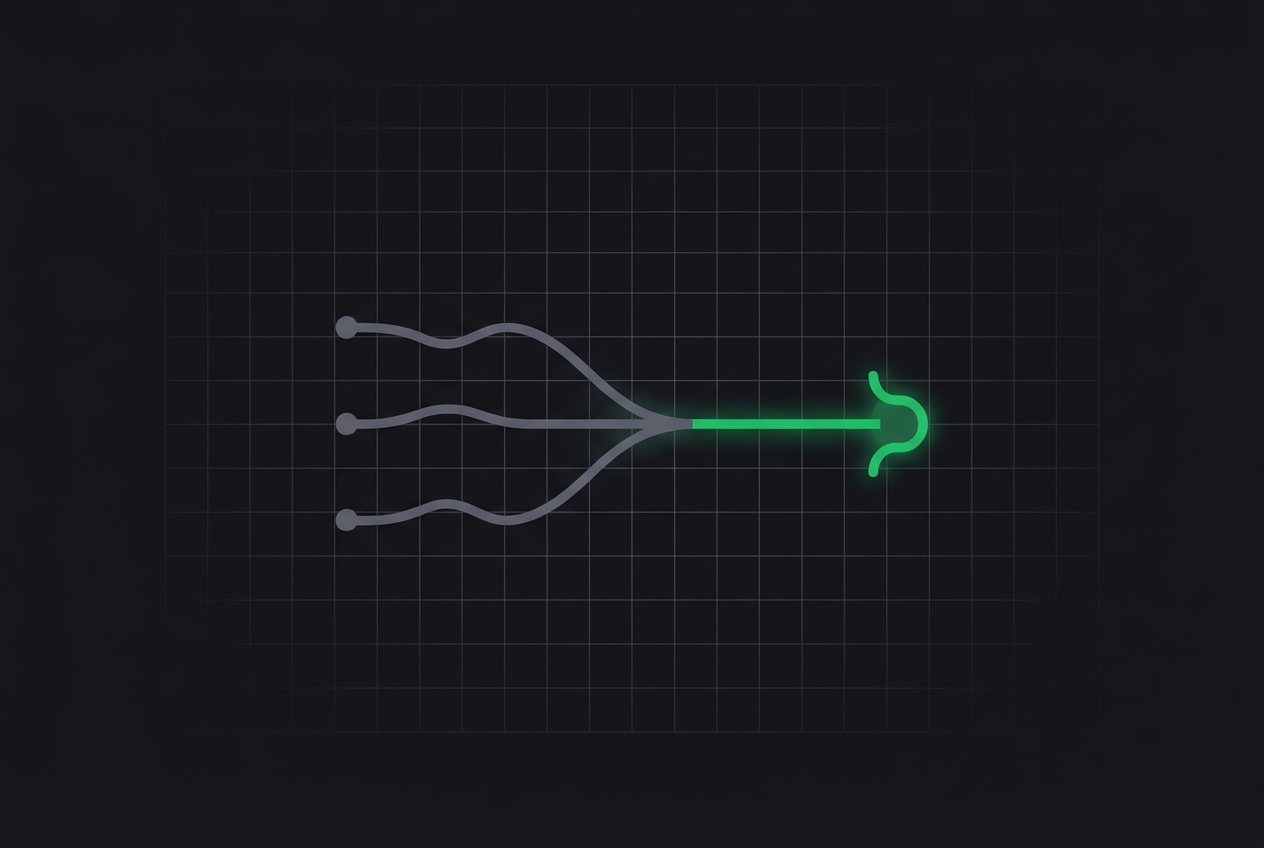
QA calibration sessions are structured meetings where supervisors, quality analysts, and operations leaders review and score the same customer interactions to ensure everyone is applying the rubric identically. These sessions identify 'grade inflation' or 'score drift' where different auditors provide different ratings for the same agent behavior. By aligning on these definitions, operations teams ensure that QA data is a reliable reflection of performance rather than a result of auditor bias.
Key takeaways
- Aim for variance under 10%: If two auditors score the same call, their results should not deviate by more than a handful of points.
- Prioritize 'gray area' calls: Do not waste time calibrating on perfect calls; focus on interactions where the rubric is open to interpretation.
- Enforce blind scoring: Participants must score the selected calls independently before the meeting starts to prevent 'groupthink.'
- Update the rubric, not just the auditor: Persistent disagreement usually signals a flaw in the scorecard documentation, not the person reading it.
Why are QA calibration sessions necessary?
QA calibration sessions are necessary because without them, your quality data is statistically noisy and unfair to agents. If Supervisor A is a 'easy grader' and Supervisor B is a 'hard grader,' an agent's performance bonus or coaching plan depends more on who audited their call than how they actually performed. This inconsistency destroys agent trust and makes it impossible for leadership to identify genuine trends in customer experience.
According to Metrigy, which tracks CX and AI success metrics, companies that maintain high levels of data integrity in their QA processes are better positioned to use that data for automated training and AI model tuning. When your human auditors cannot agree on what a 'good' call looks like, any AI you deploy to assist or automate those calls will inherit that same confusion.
How do you select the right calls for calibration?
Selection is the most common point of failure in calibration. Many teams pick random calls, which often results in 'boring' interactions where there is 100% agreement, providing no value to the session. Instead, you should select calls that fall into the 'gray areas' of your scorecard.
Look for interactions that involve:
- Complex policy exceptions: Where the agent had to deviate from the standard script.
- High-emotion escalations: Where 'empathy' is a subjective measure.
- New product launches: Where the team is still learning the correct way to handle specific technical questions.
Teams often pair a CCaaS platform like Five9 or Salesforce Service Cloud with a conversation-intelligence layer such as Hear.ai to surface these high-variance calls. By using AI to flag calls where sentiment shifts or where specific compliance keywords were missed, you can bring the most 'contentious' examples to the calibration table, maximizing the impact of the meeting.
What is the step-by-step calibration playbook?
To run an effective session, follow a rigorous process that prevents the loudest person in the room from dictating the scores.
1. The Pre-Work (Blind Scoring)
Distribute 2–3 call recordings or chat transcripts 24 hours before the meeting. Every participant must score these interactions using the standard scorecard in your CRM or QA tool (like Zendesk). Crucially, no one should see each other's scores until the meeting begins. This ensures that the data reflects individual interpretation rather than social pressure.
2. The Reveal and Variance Check
At the start of the meeting, display the scores side-by-side. Focus immediately on the questions where the variance was highest. If everyone agreed the 'Greeting' was a 5/5, skip it. If half the room gave the 'Problem Resolution' a 3/5 and the other half gave it a 5/5, that is where the discussion lives.
3. The Debate
Ask the outliers to explain their reasoning. 'I gave it a 3 because the agent didn't confirm the email address.' The other side might argue, 'The email was already verified in the IVR, so the agent was saving time.' This debate reveals whether your team understands the intent of the policy.
4. Updating the Source of Truth
If the debate reveals a genuine ambiguity, you must build QA scorecards that stick by updating the rubric's definitions. Don't just agree on the score for that one call; update the documentation so that next week, there is no ambiguity. This is the transition from moving QA from manual auditing to insight orchestration.
How does technology change the calibration process?
As contact centers move toward 100% coverage, the role of human calibration shifts. Gartner notes in their Hype Cycle for Customer Service & Support that as organizations adopt domain-specific AI, the human role in QA becomes one of 'auditing the auditor.'
When you use an automated system to score 100% of calls, your calibration sessions are no longer just about aligning supervisors—they are about aligning the AI. You calibrate the human team to ensure they agree on the 'Gold Standard,' and then you compare that Gold Standard to the AI’s output. If the AI is consistently more or less strict than the calibrated human team, you adjust the AI's prompts or logic. This ensures that your automation remains grounded in real-world operational standards.
What are the common pitfalls of calibration?
- The 'Seniority Bias': If the Director of Ops says it’s a 90, the supervisors often change their scores to match. The facilitator must protect the opinions of the frontline supervisors.
- The 'Average' Trap: If the team agrees on a score of 85 but for completely different reasons (one docked points for speed, another for accuracy), you are not calibrated. You must be calibrated at the line-item level, not just the total score.
- Lack of Frequency: Calibration is a muscle. If you only do it once a quarter, score drift will happen in the weeks between. A bi-weekly or monthly rhythm is the industry standard for high-performing floors.
FAQ
How many people should attend a calibration session? Keep the group to 5–8 people. This should include a mix of high-performing supervisors, QA analysts, and at least one person from the training or documentation team to capture rubric updates.
What is an acceptable variance percentage? Most mature organizations aim for a variance of less than 5% to 10%. If your team is consistently seeing 20% variance on the same calls, your scorecard is likely too subjective and needs more binary (Yes/No) questions.
Should agents attend calibration sessions? Generally, no. Calibration is a 'safe space' for leadership to argue and refine policy. However, sharing the results and the clarified definitions with agents is vital for transparency and trust.
How long should a session last? 60 minutes is usually sufficient to calibrate 2–3 complex calls. If you find you need more time, it is a sign that your rubric is too complex or your team is too far out of alignment.
Calibration is the only way to ensure that your quality program is a tool for growth rather than a source of friction. When your numbers mean the same thing to everyone, you can finally stop arguing about the data and start acting on it.
Explore more on how to modernize your quality program in our guide to Modern QA Playbook: Moving Beyond the 2% Sample.