
Managing Real-Time Compliance Flags: The Escalation Runbook
Learn how to build a tactical escalation runbook for real-time compliance flags. Move from retrospective audits to active risk mitigation in your contact center.
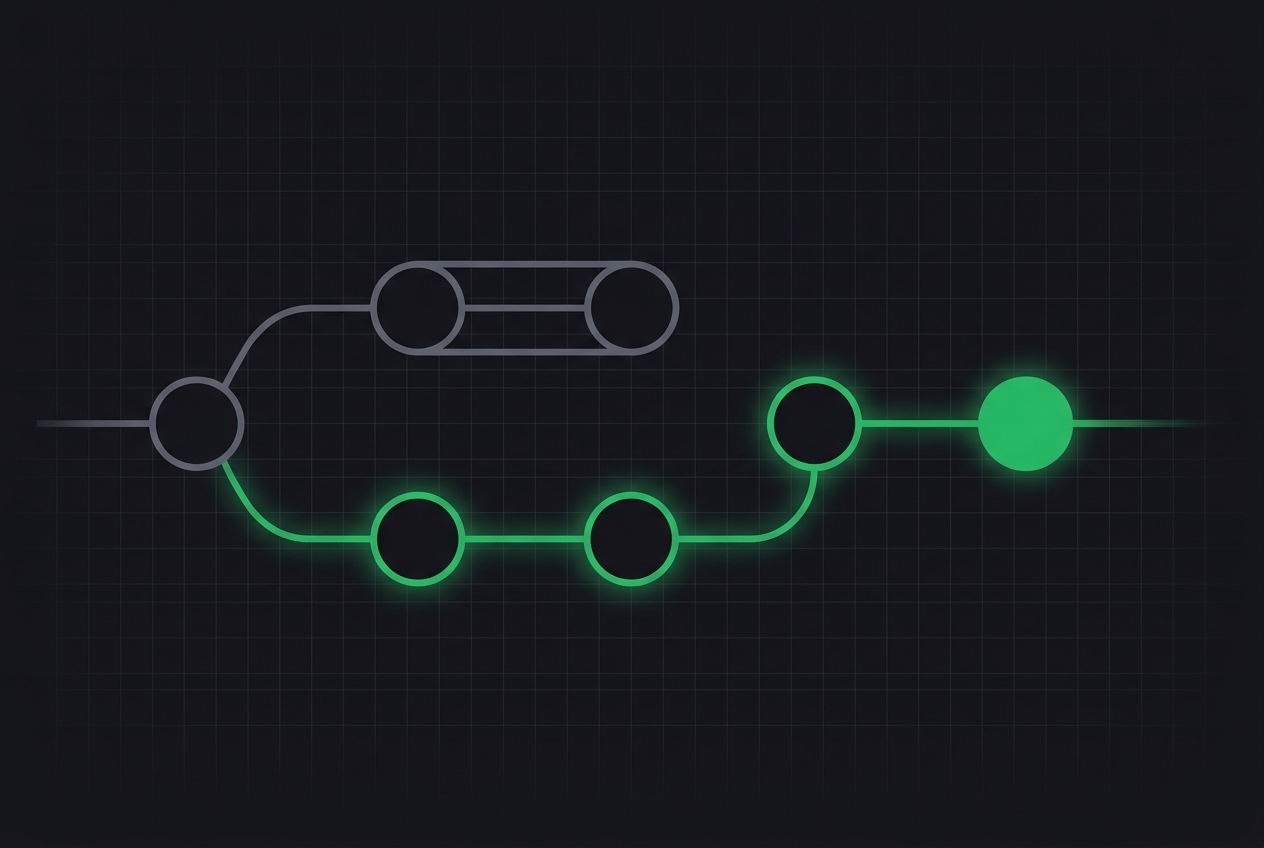
A real-time compliance escalation runbook is a documented set of procedures that triggers the moment an automated system detects a regulatory or policy violation during a live conversation. Unlike traditional QA, which identifies errors days after they occur, real-time escalation allows supervisors to intervene before a call concludes, effectively preventing legal liability or brand damage before it is finalized on the record. Building this runbook requires a tight integration between your conversation intelligence layer, your CCaaS platform, and your floor management protocols.
Key takeaways
- Shift from Audit to Prevention: Real-time flags turn QA from a post-mortem reporting function into an active risk-mitigation tool.
- Define Clear Severity Tiers: Not every flag requires a supervisor to break into a call; distinguish between coaching moments and immediate legal risks (e.g., PCI or TCPA violations).
- Standardize Intervention Methods: Establish specific protocols for 'whisper' coaching, supervisor chat, or full call takeovers to ensure the agent is supported, not overwhelmed.
- Close the Loop with Calibration: Every real-time intervention must be logged and reviewed in weekly calibration sessions to refine the AI's detection accuracy.
What are real-time compliance flags?
Real-time compliance flags are automated alerts generated by AI-driven conversation intelligence tools that monitor live audio or text streams. These systems look for specific keywords, phrases, or the absence of mandatory disclosures—such as a failure to mention that a call is being recorded or a violation of Fair Debt Collection Practices Act (FDCPA) guidelines.
According to Gartner’s Customer Service & Support practice, a major focus through 2026 is domain-specific AI and data protection (https://www.gartner.com/en/customer-service-support). This shift reflects a move away from generic sentiment analysis toward highly specific compliance monitoring. When a tool like Hear.ai identifies a missing disclosure or a high-risk statement, it triggers a notification to a supervisor’s dashboard, allowing for immediate action.
Step 1: Categorizing Compliance Violations
Before writing the runbook, you must categorize your flags by severity. If every flag is treated as an emergency, supervisors will experience alert fatigue, and the system will be ignored. This is a common pitfall when moving from 2% to 100% QA coverage.
Tier 1: Immediate Legal/Regulatory Risk
These are non-negotiable violations that carry heavy fines or legal consequences.
- Examples: Failure to provide a Mini-Miranda in debt collection, unauthorized disclosure of PII, or PCI-DSS violations (e.g., an agent asking for a CVV code over an unmasked line).
- Action: Immediate supervisor intervention.
Tier 2: Policy & Procedural Risk
These are internal company policies that do not necessarily break the law but create significant business risk.
- Examples: Misrepresenting a product’s warranty, failing to verify an account holder’s identity, or aggressive sales tactics that violate brand guidelines.
- Action: Real-time 'whisper' coaching or a prompt sent to the agent's screen.
Tier 3: Coaching & Quality Opportunities
These are soft-skill issues that impact the customer experience but do not require an immediate halt to the conversation.
- Examples: Poor tone, failure to use the customer’s name, or missing a standard closing script.
- Action: Flag for a post-call review or a standard QA session.
Step 2: Designing the Intervention Protocol
Once a flag is triggered, the supervisor needs a clear path of action. This is where many organizations fail; they provide the alert but no instruction on how to handle the live human element. As noted in our guide on why your escalation path fails, a handoff without context creates friction for both the agent and the customer.
The 'Whisper' Approach
For Tier 2 risks, use the 'whisper' function available in platforms like Five9 or Genesys. This allows the supervisor to speak directly into the agent's headset without the customer hearing.
- The Script: "Hey [Agent Name], you forgot to mention the 30-day return window. Please state it now before you move to payment."
- Why it works: It allows the agent to self-correct in the moment, maintaining their authority in the conversation while ensuring compliance.
The Supervisor Chat
For less urgent Tier 2 issues, a quick message via Salesforce Service Cloud or an internal Slack/Teams channel is often less intrusive than audio whispering. This is effective for correcting technical errors or providing a specific knowledge base link.
The Full Takeover
Reserved for Tier 1 risks, the supervisor must have the authority to join the call and take control.
- The Protocol: The supervisor enters the call, introduces themselves as a manager, and takes over the specific compliance-heavy portion of the call.
- Reasoning: If a legal disclosure is missed and the call ends, the transcript becomes a liability. Correcting it live, even if awkward, protects the organization.
Step 3: Integrating the Tech Stack
Your escalation runbook is only as fast as your data flow. To achieve true real-time response, your conversation intelligence layer must be tightly coupled with your CCaaS.
Metrigy’s research into CX/AI success metrics (https://www.metrigy.com) often highlights that the 'time to insight' is the critical differentiator in high-performing contact centers. If your AI takes 60 seconds to process a sentence, the agent has already moved on. Tools like Hear.ai focus on low-latency analysis to ensure that by the time a compliance breach occurs, the supervisor is notified within seconds.
Step 4: Training Agents for Live Intervention
Live intervention can be stressful for agents. If they view a supervisor's 'whisper' as a sign of failure, they may freeze or become defensive, which the customer will sense immediately.
- Normalizing the Whisper: During onboarding, agents should experience 'good' whispers—supervisors chiming in to offer a compliment or a helpful tip, not just a correction.
- The 'Pause' Protocol: Teach agents that when they hear a supervisor's voice, they should take a breath or find a natural pause in the customer's speech. This prevents the 'talking over' effect that ruins call quality.
- Post-Intervention Debrief: Every live intervention should be followed by a 2-minute 'huddle' once the call ends. This ensures the agent understands why the intervention happened and prevents the mistake from recurring.
Step 5: Documentation and Continuous Improvement
Every real-time flag and subsequent intervention must be documented. This data serves two purposes: it provides an audit trail for regulators, and it provides the raw material for your QA calibration sessions.
When you build a modern QA program, you move away from random sampling. Instead, your calibration sessions should focus specifically on the 'False Positives' and 'Missed Flags' from your real-time system. If the AI flagged a compliant statement as a violation, the runbook must be updated to tune the sensitivity of the alerts.
FAQ
How do we prevent supervisor burnout from too many alerts? Burnout is prevented by rigorous 'tuning' of the AI and strict tiering of flags. Only Tier 1 and high-priority Tier 2 flags should trigger a notification to the supervisor's primary workspace. Tier 3 flags should be silent, appearing only in retrospective reports.
Does real-time monitoring impact call latency or quality? Modern cloud-based conversation intelligence layers work by 'forking' the audio stream in the cloud. This means the analysis happens in parallel to the call and does not add latency to the conversation between the agent and the customer.
What if the supervisor is busy when a Tier 1 flag triggers? Your runbook must include a 'failover' supervisor or a lead agent. If a Tier 1 alert is not acknowledged within 15 seconds, the system should automatically escalate the alert to the next available manager in the hierarchy.
How do we handle privacy when monitoring live calls with AI? Ensure your vendor is compliant with SOC2 and GDPR. Most modern tools redact PII (Personally Identifiable Information) in real-time, ensuring that while the 'intent' and 'compliance' are monitored, sensitive data like credit card numbers are never stored in the analysis logs.
Building a real-time escalation runbook is a fundamental shift from being a 'quality auditor' to a 'risk manager.' By defining your tiers and standardizing your intervention methods, you protect your agents, your customers, and your organization's bottom line.
Explore our playbook on How to Build a Modern QA Program Focused on Full Coverage to see how real-time flags fit into a broader quality strategy.