
Stop arguing over QA scores: A playbook for effective calibration
Learn how to run QA calibration sessions that eliminate rater bias, build agent trust, and ensure your contact center data is accurate and actionable.
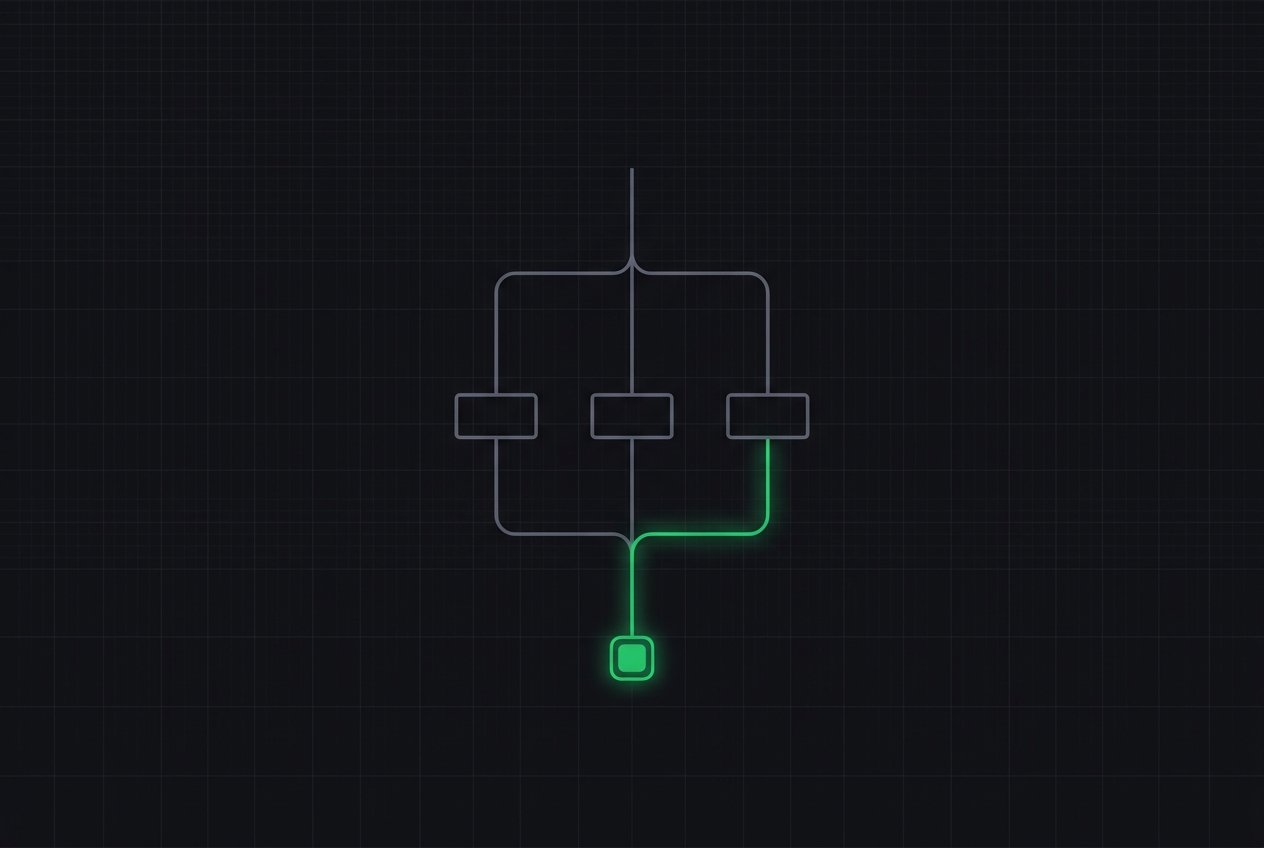
QA calibration is the process where multiple evaluators score the same customer interaction to ensure their results align with a shared standard. This practice transforms subjective opinions into reliable data by identifying and correcting rater bias, ensuring that an agent receives the same score regardless of who performs the audit. Without regular calibration, quality scores become arbitrary, destroying agent trust and rendering operational insights useless.
Key takeaways
- Calibration eliminates rater drift, ensuring that performance data remains consistent across different teams and time periods.
- Objective rubrics are the foundation, but calibration sessions reveal where those rubrics are too vague or open to interpretation.
- A neutral moderator is essential to prevent senior leaders or dominant personalities from skewing the group toward their personal preferences.
- Modern tools facilitate high-volume alignment by highlighting variance in automated scoring, allowing teams to focus manual calibration on the most complex cases.
What is QA calibration and why does it matter?
In most contact centers, quality assurance (QA) is viewed as a subjective hurdle rather than a data science. Calibration is the mechanism that shifts QA into the latter category. It is a recurring meeting where QA analysts, team leads, and sometimes operations managers review a pre-selected set of calls or chats. Each participant scores the interaction independently before the meeting, and the session is spent discussing the discrepancies in their scores.
The goal is not to reach a consensus through compromise, but to align everyone’s understanding of the existing scorecard. As noted by Metrigy in their studies of CX success metrics, the consistency of data is often more important than the volume of data. If one supervisor is a "hard grader" while another is lenient, the resulting data is noisy. This noise makes it impossible to tell if a dip in performance is a genuine trend or just the result of who happened to be on the audit rotation that week.
Why does calibration drift happen?
Drift occurs when evaluators begin to interpret scorecard criteria through the lens of their own experience rather than the formal rubric. For example, a rubric might require an agent to "verify the account." One evaluator might give full credit if the agent confirms a zip code, while another might require both a zip code and a phone number.
This drift is exacerbated by the complexity of modern interactions. As basic queries are handled by self-service bots, the calls reaching human agents are increasingly nuanced. Gartner highlights that as domain-specific AI takes over routine tasks, the remaining human-to-human interactions require more sophisticated judgment. This makes designing QA scorecards that agents actually respect more difficult, as the criteria must account for empathy and problem-solving rather than just binary checklists.
The step-by-step calibration playbook
To run a session that actually moves the needle, you need a structured process that moves from individual analysis to group alignment.
1. Select the right interactions
Do not pick random calls. Instead, select interactions that represent "gray areas" or high-stakes scenarios. This might include a complex technical support ticket from Zendesk or a high-emotion retention call recorded in a CCaaS platform like Five9. You are looking for the calls where you expect the most disagreement.
2. The "blind" scoring phase
Participants must score the selected interactions in isolation before the meeting begins. If they see each other's scores beforehand, they will naturally gravitate toward the average—a phenomenon known as the "anchoring effect." Use a shared document or a dedicated QA tool to collect these scores privately.
3. Identify the variance
The moderator should map out the scores to see where the widest gaps exist. If everyone agrees on the "Opening Greeting" but disagrees on "Problem Resolution," the meeting should skip the greeting and spend 100% of the time on the resolution criteria.
4. Facilitate the discussion
The moderator’s job is to ask "Why?" Why did Evaluator A give a 3 while Evaluator B gave a 5? The discussion must always tie back to the written rubric. If the rubric is found to be the source of the confusion, the outcome of the meeting should be an update to the documentation, not just a verbal agreement.
5. Document and distribute
Every calibration session must end with a "Calibration Summary" that clarifies the agreed-upon interpretation. This document becomes the source of truth for future audits and training sessions.
How to handle the "Loudest Voice" problem
One of the biggest risks to effective calibration is the hierarchy of the room. If a Director of Operations expresses a strong opinion early in the session, junior QA analysts may feel pressured to change their scores to match. This creates a false sense of alignment.
To prevent this, the moderator should always call on the most junior members of the team first. Force the senior leaders to listen to the frontline perspective before they weigh in. This ensures that the people who spend the most time auditing—the analysts—are the ones driving the interpretation of the standards. This level of rigor is especially important as teams move toward building a QA program that scales to 100% conversation coverage, where the volume of data makes manual oversight of every score impossible.
Scaling calibration with technology
Manually calibrating five calls a week is manageable. Calibrating an entire organization’s output is not. This is where conversation intelligence becomes a necessity. A platform like Hear.ai can analyze 100% of conversations and flag interactions where the AI-generated score significantly differs from a human auditor's historical patterns.
By using a conversation-intelligence layer like Hear.ai, QA managers can identify "outlier" calls that are most likely to require a human calibration session. This allows the team to spend their limited meeting time on the 1% of calls that actually define the quality standard, rather than wasting time on straightforward interactions that the system handles accurately. This approach aligns with the industry shift toward domain-specific AI, where human expertise is used to tune the models that perform the bulk of the monitoring.
Measuring the success of your sessions
You cannot manage what you do not measure. Track your "Calibration Variance" over time. If your team starts with a 15% variance in scores and moves to 5% over six months, your calibration sessions are working. If the variance remains high, it is a sign that either your rubric is too vague or your evaluators are not following the agreed-upon standards.
High variance is an operational red flag. It suggests that your performance data is unreliable, which can lead to unfair agent coaching and incorrect strategic decisions. Regular, disciplined calibration is the only way to ensure that when a report says quality is up, it actually is.
FAQ
How often should we hold calibration sessions? Most high-performing contact centers hold calibration sessions weekly or bi-weekly. If you are launching a new product, a new scorecard, or a new line of business, these sessions should happen daily until the variance in scores drops below a pre-defined threshold.
Who should attend the calibration meeting? The core group should include QA analysts and team leads. Occasionally, inviting a high-performing agent can provide a fresh perspective on how the rubric is perceived on the floor. Senior leadership should attend once a month to ensure the QA standards align with the broader business strategy.
What if we can't agree on a score during the session? If the group cannot reach an agreement, the tie-break goes to the QA Manager or the author of the rubric. However, a lack of agreement is usually a sign that the rubric itself is flawed. In these cases, the action item is to rewrite the specific criteria to remove the ambiguity.
Should we calibrate AI-generated scores? Yes. As more teams use AI for initial scoring, human calibration becomes the "ground truth" that validates the model. You should regularly compare human scores against AI scores to ensure the technology is correctly interpreting the nuances of your specific customer base.
Calibration isn't about being right; it's about being consistent enough to drive real operational change.