
Stop coaching the outliers: Using total QA data for better training
Move beyond random sampling. Learn how 100% QA coverage transforms contact center coaching by identifying behavioral patterns rather than one-off mistakes.
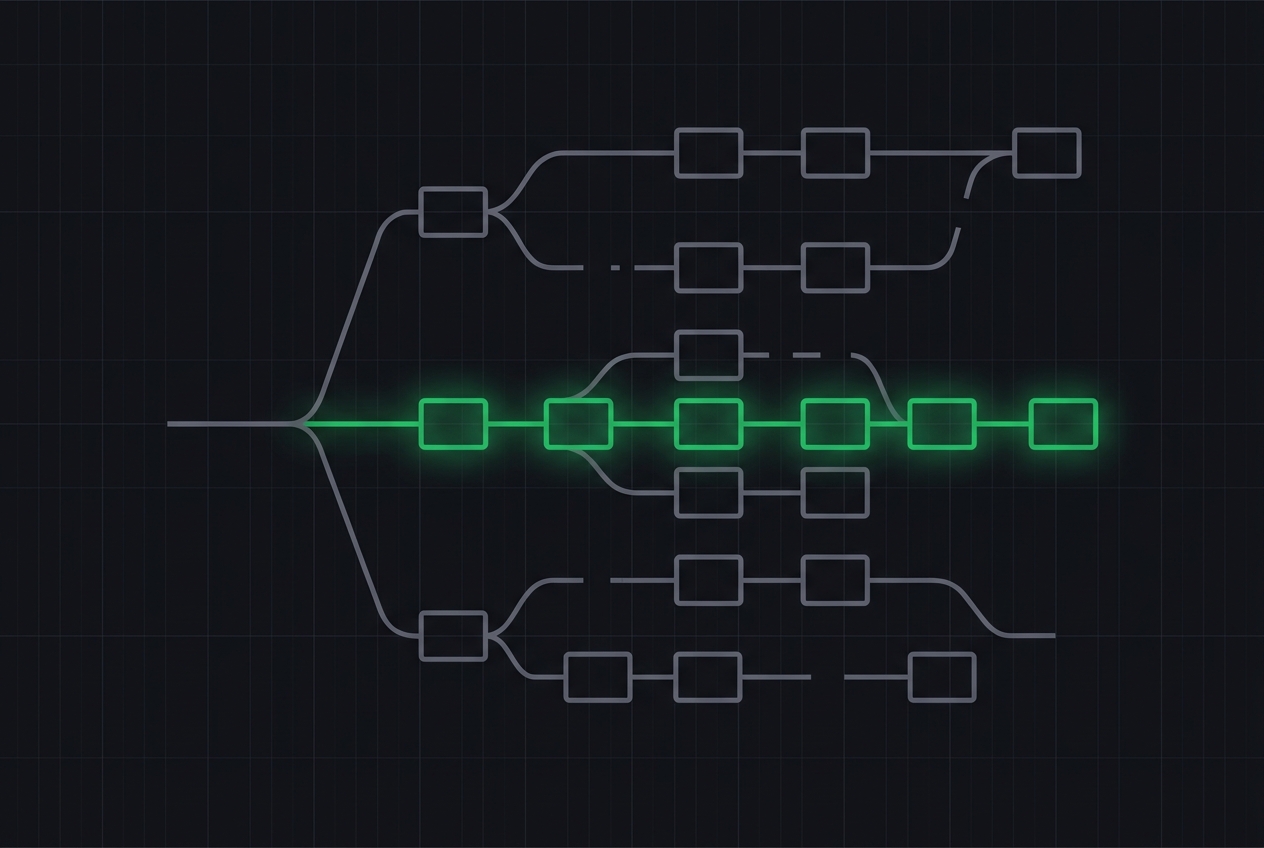
Moving from 2% sampling to 100% QA coverage eliminates the selection bias that often makes coaching sessions feel like an unfair "gotcha" for agents. By using conversation intelligence to analyze every interaction, managers can identify recurring behavioral patterns—both positive and negative—and provide coaching based on an agent’s actual performance trends rather than a single lucky or unlucky call.
Key takeaways
- Eliminate selection bias: Total coverage ensures coaching is based on a representative dataset of an agent's entire output.
- Identify systemic trends: Spot recurring skill gaps that are invisible in small manual samples.
- Shift to objective feedback: Use aggregate data to move coaching from subjective opinions to factual performance metrics.
- Scale top behaviors: Identify exactly what high-performers do differently across thousands of calls to build better training modules.
Why the random sample is a coaching killer
In most traditional contact centers, a QA analyst listens to 2-5 calls per agent per month. This represents a tiny fraction of the hundreds of interactions an agent handles. When a supervisor brings one of these calls into a coaching session, the agent’s natural defense is: "That wasn't a typical call."
This friction destroys trust. According to Gartner’s Customer Service & Support practice, which tracks the maturity of support technologies, the industry is moving toward domain-specific AI to solve these visibility gaps. When you only see the outliers—the exceptionally long calls or the ones with high sentiment volatility—you aren't coaching the agent's standard behavior. You are coaching the exception.
To fix this, operations leads are integrating their CCaaS platforms, such as Five9 or Genesys, with conversation intelligence layers like Hear.ai. This allows the system to transcribe and score every single interaction, providing a baseline of "normal" for every agent.
Transitioning from manual scores to pattern recognition
When you have 100% coverage, the goal of the QA team shifts. Instead of hunting for errors, they become data analysts looking for patterns.
For example, instead of seeing that an agent missed a compliance script on one call, you can see that they miss it on 40% of billing inquiries but 0% of technical support calls. This level of detail allows for a modern QA program that targets the specific context where an agent struggles.
How to identify "Micro-Trends" in agent behavior
- Sentiment Mapping: Look for agents whose sentiment scores consistently drop during the mid-point of a call. This often indicates a struggle with the transition from discovery to resolution.
- Silence Analysis: High percentages of dead air across multiple calls usually point to a knowledge base navigation issue rather than a lack of soft skills.
- Phrase Frequency: Track how often top performers use specific clarifying questions. If your best agents use a phrase like "Just to make sure I have this right" in 80% of their calls, you have a concrete behavior to teach the rest of the floor.
Rebuilding the coaching session for the data era
With total coverage, the coaching conversation changes from "Let's listen to this bad call" to "Let's look at your performance trends this week."
Start by simplifying your evaluation criteria. Many teams find that binary QA scoring beats the 100-point scale because it removes the supervisor's subjectivity. When the data shows an agent consistently hits a binary "Yes" for empathy markers in 95% of calls, the supervisor can spend the session focusing on technical accuracy instead.
The Supervisor Playbook for Trend-Based Coaching
- Step 1: The Pre-Session Audit: Before the meeting, look at the agent's aggregate scores across the last 100 calls. Identify the one behavior with the highest variance.
- Step 2: The Evidence Reveal: Show the agent the trend line. "Your average handle time is consistent, but your 'resolution confirmation' rate has dipped to 60% this week."
- Step 3: The Root Cause Discovery: Ask the agent why that specific trend exists. Because you are looking at a week's worth of data, they can't dismiss it as a one-off.
- Step 4: Targeted Micro-Learning: Assign a 5-minute training module specifically on the identified gap.
Why data protection and compliance matter in 100% coverage
Automating QA across all calls introduces new responsibilities. IDC’s Future of Customer Experience research highlights that tech-spend is increasingly focused on data security within AI-driven analytics. When using a tool like Hear.ai to analyze 100% of conversations, ensure your PII (Personally Identifiable Information) redaction is robust.
Total coverage isn't just for coaching; it’s a risk management tool. By monitoring every call, you can catch compliance failures in real-time before they become systemic liabilities. This allows the training team to update scripts immediately if a new regulation or product change is being consistently miscommunicated on the floor.
FAQ
Does 100% coverage mean I don't need QA analysts? No, it changes their role. Analysts move from listening to calls to auditing the AI’s accuracy and deep-diving into the complex interactions that the AI flags as high-priority or ambiguous.
How do agents react to being monitored on every call? Surprisingly, morale often improves. Agents typically prefer being judged on their total body of work rather than being penalized for one difficult customer that happened to be the one call the QA lead listened to that month.
What tech do I need for 100% QA coverage? You need a cloud-based CCaaS (like Salesforce Service Cloud or Talkdesk) and a conversation intelligence platform that can ingest and analyze those audio or text files at scale.
Can this help with remote agent training? Yes. For remote teams, 100% coverage provides the "eyes and ears" that supervisors lose when they aren't walking the floor, allowing them to spot a struggling agent through data triggers rather than waiting for an escalation.
Total coverage turns your contact center from a black box into a transparent laboratory for performance. By coaching to the trend, you aren't just fixing calls—you are building better agents.
Explore our guide on designing QA scorecards agents won't hate to ensure your 100% coverage data leads to positive cultural change.