
AI-Driven QA: How to Scale to 100% Coverage in 2025
Transition from manual sampling to AI-driven QA. Learn the tactical steps to achieve 100% coverage, improve agent performance, and drive CX ROI in 2025.
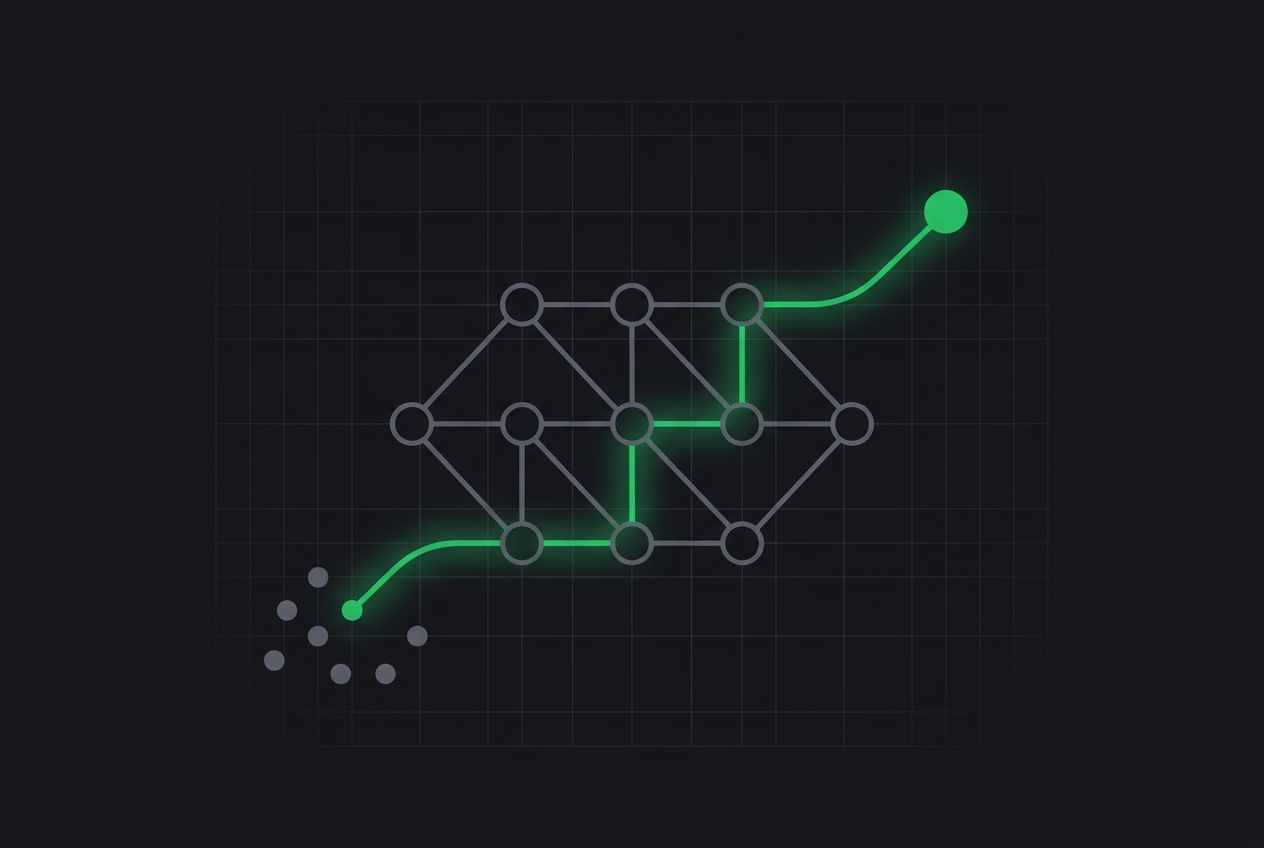
AI-driven quality assurance (Auto-QA) uses Large Language Models (LLMs) to automatically transcribe, analyze, and score 100% of customer interactions across voice, chat, and email. This shift moves CX operations away from traditional manual sampling—which typically captures only 1–2% of calls—to a comprehensive data model that identifies systemic friction and agent coaching needs in real-time. By implementing AI-driven QA, contact center managers can eliminate bias, ensure total compliance, and turn quality data into actionable operational intelligence.
Key takeaways:
- Full Visibility: AI-driven QA eliminates the 'blind spots' of manual sampling by reviewing every single ticket and call.
- Objective Scoring: Automated rubrics remove supervisor bias, providing agents with fair, consistent, and immediate feedback.
- Strategic Coaching: Managers can shift from 'finding the problem' to 'fixing the problem' by focusing on high-impact coaching rather than manual auditing.
- Root Cause Analysis: Auto-QA identifies recurring customer pain points and product issues that are often missed in small sample sizes.
What is AI-driven QA and why is it replacing manual sampling?
AI-driven QA is the application of machine learning and natural language processing to evaluate agent performance against a set of predefined criteria. For decades, the industry standard has been for a QA lead to listen to 3–5 random calls per agent per month. This method is statistically insignificant and often leads to 'cherry-picking' or unfair evaluations based on a single outlier interaction.
In 2025, the volume of digital interactions has made manual sampling obsolete. AI-driven QA platforms like MaestroQA or Zendesk QA can process thousands of hours of audio in minutes. This allows operations leads to see the total picture: which macros are failing, which agents are struggling with specific rebuttals, and where the knowledge base is lacking. Moving to 100% coverage isn't just about catching 'bad' calls; it’s about understanding the 'why' behind your center's performance metrics.
How do you transition from 2% manual sampling to 100% AI coverage?
Transitioning to 100% coverage requires a phased approach to ensure the AI's scoring logic aligns with your brand standards. Start by running the AI in 'shadow mode' alongside your existing manual process. This allows you to calibrate the AI’s sentiment analysis and rubric scoring against your human auditors' results. Once the AI consistently matches human sentiment with high accuracy, you can begin to phase out manual audits for standard compliance checks.
During this transition, it is critical to keep the floor informed. For a deeper dive into the cultural side of this shift, see our guide on Rolling Out AI-Assisted QA Without Losing Your Team. The goal is to move your QA staff from 'auditors' to 'performance coaches.' Instead of spending 30 hours a week listening to calls, they spend 30 hours a week developing high-performing agents based on the insights the AI provides.
What does an AI-ready QA scorecard look like?
An AI-ready scorecard is more binary and objective than a traditional manual scorecard. While humans are good at interpreting nuance, AI excels at identifying the presence or absence of specific behaviors. To get the most out of Auto-QA, you must refine your rubrics to be 'machine-readable.'
Elements of a high-performing AI scorecard:
- Compliance Markers: Did the agent state the mandatory legal disclaimer? (Yes/No)
- Process Adherence: Did the agent verify the account according to SOP? (Yes/No)
- Sentiment Shift: Did the customer's sentiment move from negative to neutral/positive during the call?
- Resolution Logic: Did the agent offer a solution before the 5-minute mark?
By focusing on these objective markers, you reduce the 'gray areas' that lead to agent disputes. If the AI flags a call for a missed greeting, the agent can see the transcript immediately and understand the correction without waiting for a weekly 1:1. This speed of feedback is what ultimately helps you Cut AHT Without Wrecking CSAT, as agents adjust their behavior in the very next shift.
Can AI-driven QA help reduce Average Handle Time (AHT)?
Yes, AI-driven QA is one of the most effective tools for reducing AHT because it identifies the specific 'dead air' and 'process loops' that inflate call duration. When you analyze 100% of calls, patterns emerge that are invisible in small samples. For example, you might find that 40% of your long-duration calls are caused by agents struggling to navigate a specific page in the CRM.
With Auto-QA, you can set alerts for 'long silences' or 'excessive hold times.' The system can then automatically aggregate these moments, allowing Ops leads to see if the issue is a training gap (the agent doesn't know the answer) or a technical gap (the system is slow). Addressing these systemic issues across the entire floor leads to a much more sustainable reduction in AHT than simply telling agents to 'talk faster.'
How do you handle agent pushback during an AI QA rollout?
Agent pushback usually stems from a fear of 'Big Brother' or the belief that a machine cannot understand the complexity of a human conversation. To mitigate this, involve your top-performing agents in the calibration process. Let them see how the AI scores their best calls and ask for their feedback on the rubric.
Transparency is the antidote to anxiety. Ensure agents have access to their own AI-generated dashboards so they can see their scores in real-time. When agents see that the AI is catching their 'wins' just as often as their 'losses'—and that it’s providing them with the data to hit their bonuses—the resistance typically fades. The focus should always be on 'AI as a co-pilot,' helping them improve, rather than 'AI as a judge,' looking for reasons to penalize.
Choosing the right AI QA vendor for your stack
When evaluating vendors like Observe.ai or Playvox, focus on integration and 'explainability.' The best AI QA tools are those that integrate directly into your CCaaS (Contact Center as a Service) platform, such as Talkdesk or Genesys. You need a tool that doesn't just give a score, but provides a 'reasoning' for that score, citing specific lines in the transcript.
Ask these questions during a demo:
- Transcription Accuracy: How does the engine handle heavy accents or industry-specific jargon?
- Calibration Tools: How easy is it for a human manager to 'overrule' an AI score and train the model?
- Coaching Workflows: Does the platform allow managers to leave video or voice feedback directly on the transcript?
- Reporting: Can the data be exported to your WFM or BI tools to correlate QA scores with revenue or retention?
FAQ
Q: Will AI-driven QA replace my QA team? A: No. It replaces the repetitive task of manual auditing. Your QA team will transition into 'Quality Analysts' and 'Performance Coaches' who use AI data to drive strategic improvements and high-level agent development.
Q: How accurate is AI at detecting customer sentiment? A: Modern LLMs are highly effective at detecting sentiment by analyzing word choice, tone, and context. However, it is still best practice to have a human review a small percentage of 'low sentiment' scores to ensure the AI isn't misinterpreting sarcasm or cultural nuances.
Q: Is AI-driven QA compliant with privacy regulations like GDPR or CCPA? A: Most enterprise AI QA vendors offer PII (Personally Identifiable Information) redacting features that automatically scrub sensitive data from transcripts and audio files before they are processed by the AI.
Q: How long does it take to see ROI from Auto-QA? A: Most operations see ROI within 3–6 months. This typically comes from a combination of reduced AHT, lower supervisor overhead, and improved CSAT scores driven by more frequent and accurate agent coaching.
Scaling to 100% coverage is the single most impactful move a CX leader can make in 2025 to professionalize their floor and drive measurable business outcomes. For more on modernizing your tech stack, explore our AI WFM Forecasting Playbook: 2025 Guide for Contact Centers.