
The Intraday Playbook: Running the Floor Hour by Hour
The best staffing plan meets reality by 9:15am. A shift-day playbook for reading the numbers, making the call, and holding service level when the day doesn't cooperate.
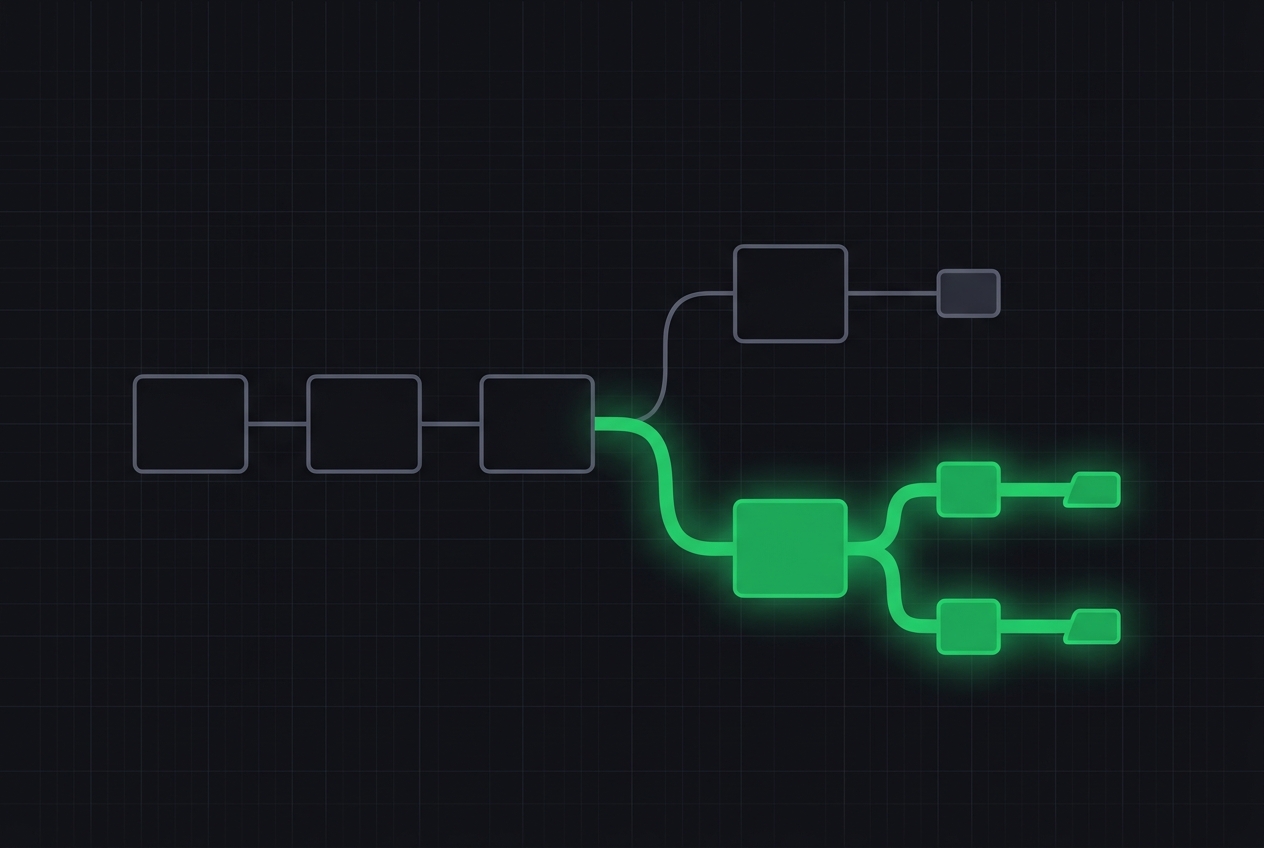
Every contact center has a beautiful staffing plan, and every one of them meets reality somewhere around 9:15 in the morning. Volume comes in hotter than forecast, three agents call out, a system hiccups, and the plan that looked airtight last week is now a hypothesis the day is busy disproving.
Intraday management is the discipline of running the floor during that day — reading what's actually happening, deciding what to do about it, and adjusting before a small gap becomes a blown service level. A good plan gives you a starting position. Intraday is how you win from it. Here's a playbook for the shift itself.
The numbers to watch
Intraday is a real-time game, so watch real-time signals — not yesterday's report:
- Service level and answer speed, live. The headline. But by the time SL is clearly missing, you're already behind, so treat it as confirmation, not early warning.
- Forecast vs. actual volume, by interval. The leading indicator. If actuals are running above forecast at 9:30, the pressure is coming — act before SL shows it.
- Occupancy. How hard the staffed agents are working right now. High and climbing means your people are underwater even if SL still looks fine.
- Schedule adherence. Are the agents who should be on the phones actually on them? A plan is only as good as adherence to it.
- Queue depth and longest wait. What the customer is feeling this second.
The art is reading them together. High volume with low adherence is a different problem than high volume with perfect adherence, and it needs a different lever.
The intraday routine
Run the day on a cadence, not on adrenaline. A workable rhythm:
- Start-of-day check. Compare last night's plan to this morning's reality — overnight sickness, known outages, today's training. Adjust the starting position before the first peak, not during it.
- Half-hourly pulse. On a fixed interval, scan the leading indicators: forecast vs. actual, occupancy, adherence. Most of intraday is just looking, consistently, before there's a fire.
- Trigger-based action. When a metric crosses a pre-agreed threshold, act — don't wait for the next scheduled check. The thresholds are the point; more on those below.
- Midday re-forecast. Halfway through, rebuild the rest-of-day forecast from the morning's actuals. If you're tracking ten percent above plan by noon, the afternoon needs a decision now, while you still have cheap options.
- End-of-day capture. Write down what happened and why — the outage, the spike, the call-outs. Tomorrow's intraday is better because today's got logged.
The half-hourly pulse is the habit that separates calm floors from chaotic ones. Teams that only look when something's already wrong are always reacting; teams that look on a cadence catch the problem while it's still cheap to fix.
The levers, cheapest first
When the day goes sideways, reach for levers in order of cost and reversibility — not whatever's top of mind:
- Reduce shrinkage first. Postpone a non-urgent meeting, delay offline work, pull people out of optional training back onto the queue. This is free capacity you already paid for.
- Shift breaks and lunches. Move discretionary breaks out of the peak. Cheap, fast, and reversible.
- Flex skills. Move cross-trained agents toward the queue that's hurting — while watching that you're not just moving the problem to the queue you drained.
- Ask for voluntary time. Voluntary overtime, or a call for extra hours from part-timers. Costs money, but it's a real lever.
- Mandatory overtime, last. Effective and expensive, in money and morale. A genuine-spike tool, not a habit — lean on it regularly and you'll grow the shrinkage that caused the gap in the first place.
Start cheap. A meeting postponed at 9:30 can save the overtime you'd otherwise pay at 3:00.
Decide with a trigger, not a vibe
The difference between confident intraday management and flailing is pre-agreed thresholds. Decide before the shift what number triggers what action, so the heat of the moment is execution, not debate:
- "If actual volume runs above forecast by our set margin for two intervals, we postpone offline activities."
- "If service level drops below our floor, we shift breaks and put out a call for voluntary hours."
- "If we're still short after a set time, we escalate to the duty manager for an overtime decision."
Fill in the thresholds with your own numbers. What matters is that they exist and the team knows them. A trigger turns a stressful judgment call into a rule you already agreed to when you were calm.
Communicate the call
The best intraday decision is worthless if the floor doesn't know it was made. Every intraday action needs a clear, brief broadcast: what changed, what we're doing, and for how long. Silent adjustments create confusion that costs more than the original problem.
When you postpone the meeting, flex the skills, or open overtime, say so — plainly, immediately, to everyone affected. Agents manage their own effort better when they understand the day. "We're above forecast, so we're holding breaks until eleven and pushing this afternoon's training to Friday" turns a frustrating scramble into a shared plan. The broadcast is part of the lever, not an afterthought.
Build your own runbook
- Write down the five leading indicators you'll watch and put them on one screen, updating live.
- Set a fixed half-hourly pulse and hold it even on calm days — the habit is what saves the busy ones.
- Agree your action thresholds in advance, in writing, with the team.
- Order your levers cheapest-first and pre-authorize the cheap ones so nobody waits for permission to postpone a meeting.
- Capture end-of-day notes so each day's intraday teaches the next.
The plan is a hypothesis. The day is the experiment. Intraday management is the skill of adjusting fast enough that reality never gets far ahead of you — and it's mostly built from boring habits done consistently, not heroics done under pressure.