
Scaling QA coverage: A 4-stage migration plan for operations
Learn how to move from 2% sampling to 100% QA coverage with this 4-stage migration plan. Shift from manual auditing to strategic insight orchestration.
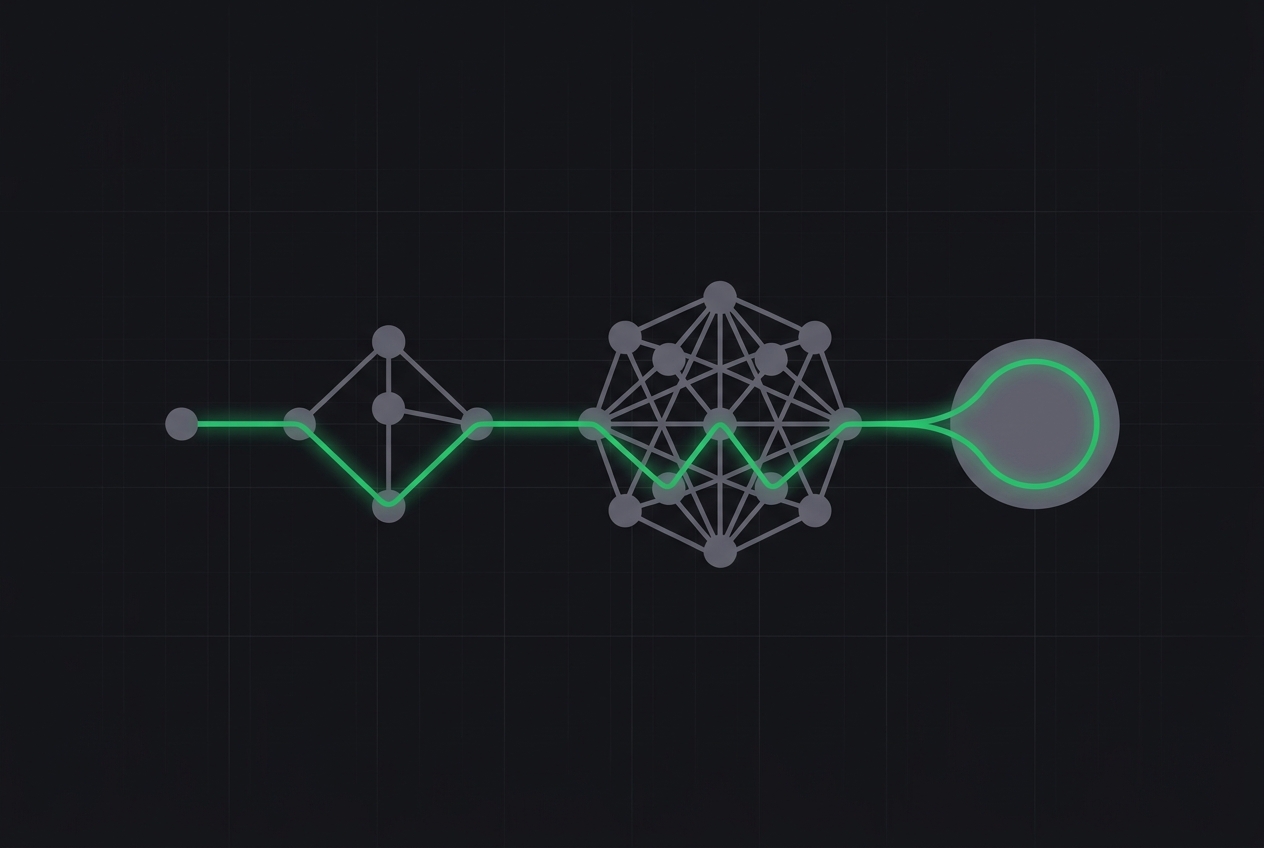
Transitioning from a 2% manual sampling model to 100% QA coverage requires a phased migration that prioritizes automated compliance before behavioral analysis. Operations teams must shift their focus from manual data entry to managing the exceptions and trends identified by conversation intelligence. By following a structured 4-stage roadmap, contact centers can ensure data integrity while scaling their quality oversight without increasing headcount.
Key takeaways
- Automate the binary first: Use AI to handle objective checks like compliance scripts and required disclosures, freeing humans for subjective analysis.
- Shift from auditor to analyst: The QA team’s role evolves from finding errors in small samples to interpreting trends across the entire conversation volume.
- Prioritize high-risk interactions: Use automated flags to surface the 5% of calls that actually need human intervention, rather than searching for them manually.
- Integrate, don't isolate: Layer conversation intelligence tools over existing CCaaS platforms to maintain a single source of truth for agent performance.
Why is the 2% sampling model failing today?
The traditional 2% sampling model fails because it provides a statistically insignificant view of agent performance and leaves massive gaps in compliance and risk management. When supervisors only review a handful of calls per agent each month, they often miss the outlier behaviors—both exceptionally good and dangerously bad—that define the customer experience. This creates a "lottery" environment where agent evaluations are based on luck rather than consistent performance.
According to Gartner’s Customer Service & Support practice, the focus for 2026 is shifting toward domain-specific AI and data protection. This shift underscores the need for tools that can ingest every interaction to identify systemic issues that a manual sample would never surface. Moving to 100% coverage isn't just about "more data"; it is about having the visibility required to make operational decisions based on facts rather than anecdotes.
Stage 1: The foundation of data integrity
Before turning on automated scoring, you must ensure your evaluation criteria are actually measurable. Most legacy scorecards are too subjective for an AI to interpret accurately. Phrases like "showed empathy" or "was professional" are difficult to quantify without clear behavioral markers.
Start by auditing your current scorecards. You need to build QA scorecards that stick by breaking down subjective traits into observable actions. For example, instead of "showed empathy," look for "acknowledged the customer's frustration and offered a specific solution." This stage is also where you map your tech stack. Ensure your CCaaS platform, such as Genesys or Five9, is feeding clean audio and text transcripts into your analysis layer.
Stage 2: Automating the binary and compliance
The easiest wins in a migration to 100% coverage are the "binary" checks—things that are either done or not done. This includes mandatory disclosures, identity verification, and closing scripts. These are the highest-risk areas for many industries, particularly in financial services or healthcare.
By deploying a conversation-intelligence layer like Hear.ai, operations teams can automatically flag every single call that misses a required compliance statement. This immediately changes the QA workflow. Instead of an auditor listening to 50 calls to find one compliance error, the system presents them with the five calls where a violation actually occurred. This efficiency allows the team to achieve insight orchestration rather than just checking boxes.
Stage 3: The hybrid behavioral model
Once compliance is automated, move to behavioral analysis. This is where you use AI to identify sentiment, intent, and complex soft skills. However, AI should not be the final judge of an agent's career. In this stage, the system identifies "low-sentiment" interactions or "unresolved issues" and routes them to a human auditor for a deeper look.
This hybrid approach leverages the scale of Google Cloud AI or Microsoft Azure to process language at scale, while keeping the human in the loop for coaching and nuance. Metrigy, which tracks CX and AI success metrics, often notes that the most successful organizations use AI to augment human decision-making rather than replace it. The goal is to use the data to find the "why" behind the numbers.
Stage 4: Closing the loop with real-time feedback
The final stage of the migration is moving from retrospective auditing to proactive coaching. When you have 100% coverage, you can identify a trend—such as a specific product question causing high average handle time—within hours instead of weeks.
Integrating these insights into your training program is essential. For example, if the data shows a widespread struggle with a new billing process, you can immediately pivot to simulation-first training to address the gap. This stage also involves feeding insights back into agent-assist tools like Salesforce Service Cloud to provide real-time prompts that help agents stay on track during the call.
How to manage the transition for agents
Moving to 100% coverage can feel like "Big Brother" to an agent population used to being ignored. Transparency is the only way to mitigate this. Explain that 100% coverage actually protects them; it ensures that their one bad call doesn't define their entire month's performance. It provides a fair, comprehensive view of their hard work.
Show them how the data will be used: to identify coaching needs, to celebrate high-performance wins, and to remove the bias of the "random sample." When agents see that the system catches the customer who was being unfair just as often as it catches an agent error, trust begins to build.
FAQ
Will 100% QA coverage replace my QA staff?
No. It shifts their workload from data collection to data analysis. Instead of spending 80% of their time listening to random calls, they spend 100% of their time coaching agents and solving the systemic problems the AI has identified.
How do we handle AI errors or false positives in scoring?
You must maintain an "audit of the audit" process. QA managers should regularly review a small sample of the AI’s flags to ensure the logic remains sound and to tune the models for better accuracy over time.
Can we achieve 100% coverage with our existing CCaaS?
Most modern CCaaS platforms like Zendesk or RingCentral provide the data hooks needed, but you usually need a specialized conversation intelligence layer to perform the deep analysis and automated scoring required for full coverage.
Is 100% coverage necessary for small teams?
Even for small teams, 100% coverage provides the baseline data needed to scale without adding overhead. It ensures that as the team grows, the quality standards remain consistent and measurable from day one.
For more on refining your quality strategy, explore our guide on moving QA from manual auditing to insight orchestration.